





This Template at a Glance
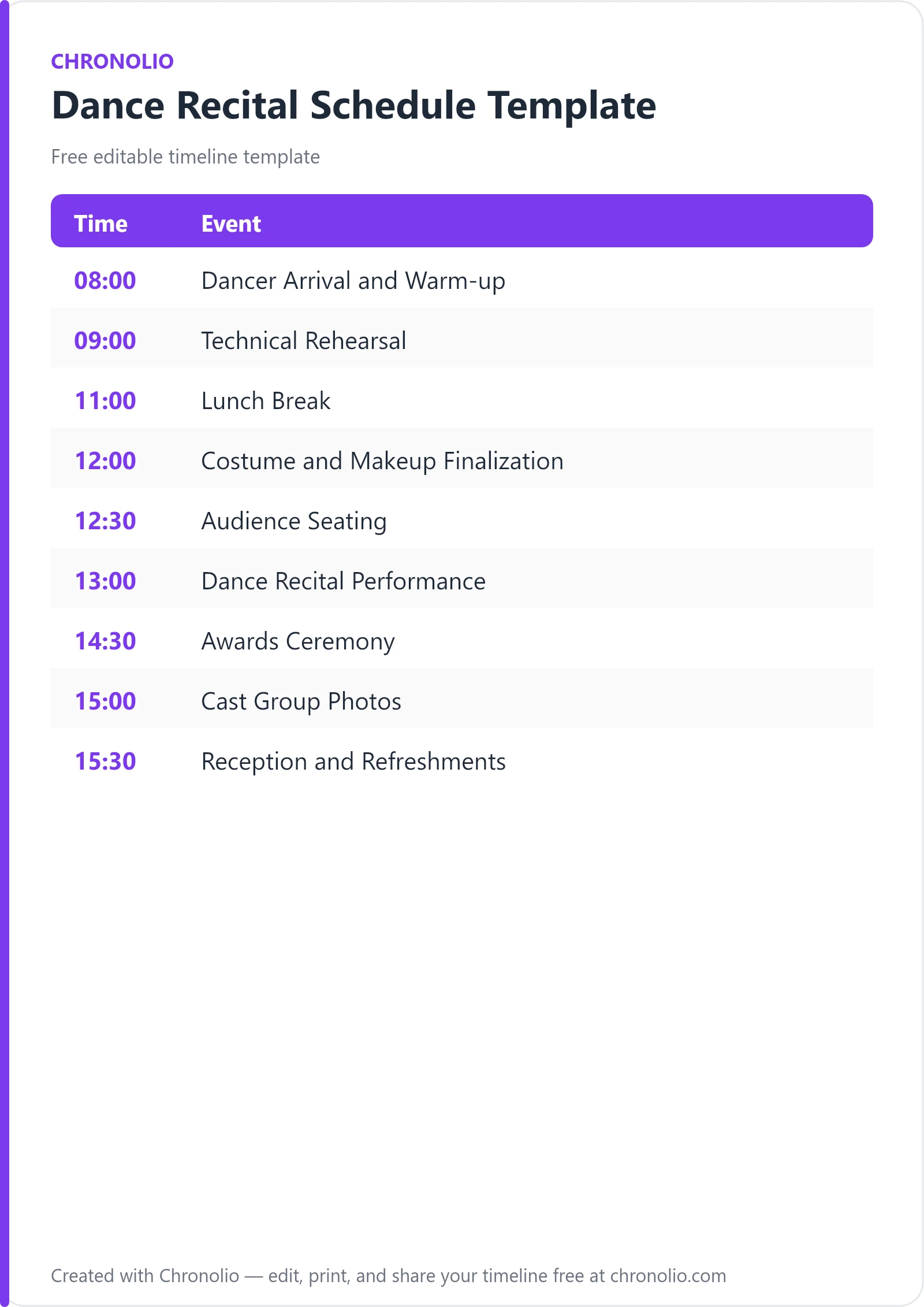
Here is the complete schedule this free template gives you — every time block, ready to edit, download, and share:
| Time | Event |
|---|---|
| 08:00 | Dancer Arrival and Warm-up |
| 09:00 | Technical Rehearsal |
| 11:00 | Lunch Break |
| 12:00 | Costume and Makeup Finalization |
| 12:30 | Audience Seating |
| 13:00 | Dance Recital Performance |
| 14:30 | Awards Ceremony |
| 15:00 | Cast Group Photos |
| 15:30 | Reception and Refreshments |
What Is a Dance Recital Schedule?
A dance recital schedule is the master operational document that orchestrates all timing, stage transitions, and backstage protocols for a studio's showcase. Managing a live performance requires balancing technical venue operations—such as light and sound cues, marley floor maintenance, and house management—with the practical needs of dozens or hundreds of performers adjusting hair, costumes, and makeup.
Having coordinated dozens of annual studio showcases and theater showcases, I can tell you that a well-crafted schedule is your single best tool against chaos. This template reflects proven industry standards used by professional stage managers and dance educators to align backstage call times with front-of-house operations. Whether you are hosting a small community show or a multi-session studio production, setting precise timestamps prevents backstage stress and ensures the curtain rises on time.
Create Your Dance Recital Schedule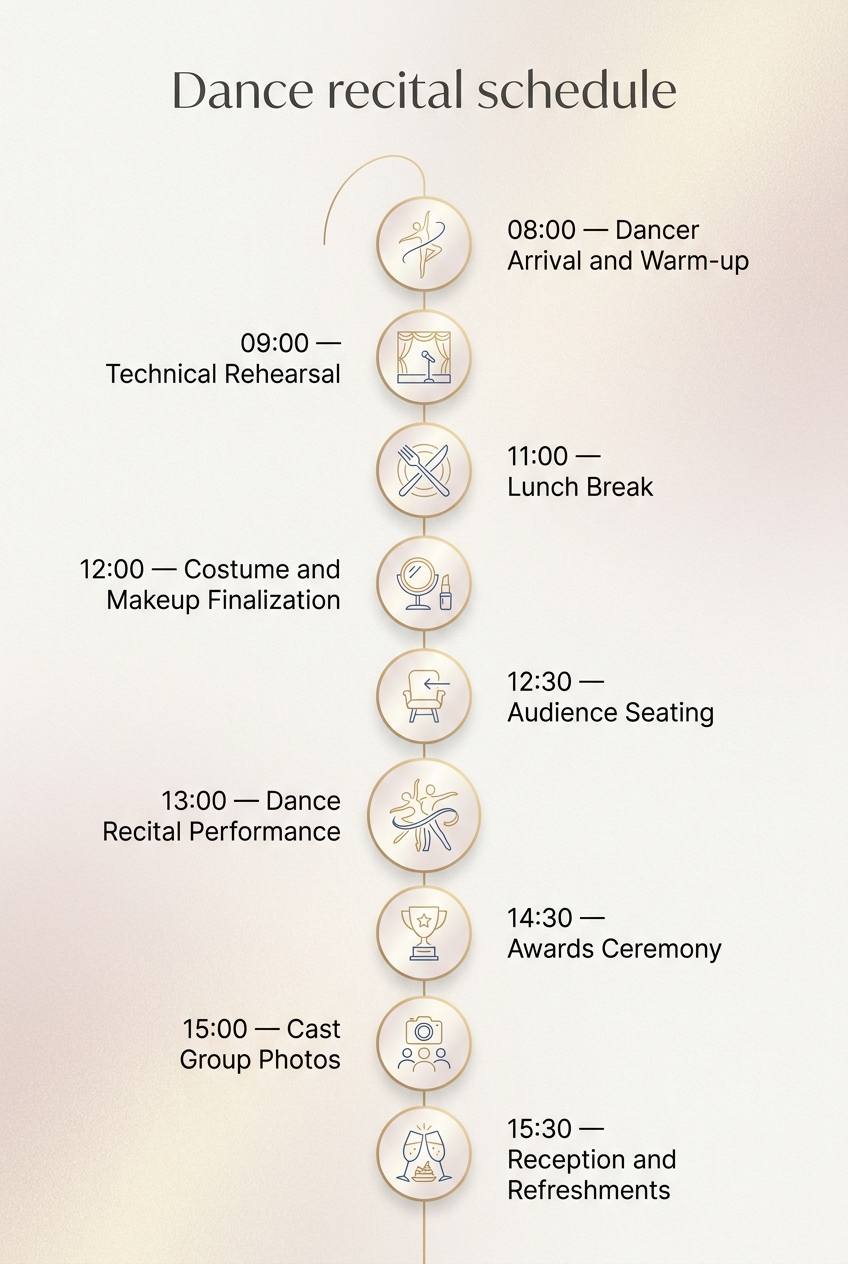
Why Dance Recital Schedules Matter
Running a flawless dance performance depends entirely on backstage discipline and venue coordination. Without a transparent timeline, dancers miss their call times, technical technicians struggle to program cues, and young performers become exhausted before taking the stage.
- Prevents Backstage Bottlenecks: A clear timeline spreads out dressing room access and costume adjustments, preventing crowded hallways and panicked quick-changes before showtime.
- Synchronizes Technical and Artistic Teams: Stage managers, sound engineers, and lighting technicians rely on fixed rehearsal blocks to map track audio levels, spotlight placements, and curtain drops.
- Protects Performer Safety: Dancers require structured physical warm-up time on proper surfaces to prevent muscle strains and injuries prior to executing complex choreography.
- Delivers an Exceptional Audience Experience: Starting promptly and maintaining smooth transitions keeps audience members engaged, respects family schedules, and maintains a professional studio reputation.
What to Include in a Dance Recital Schedule
To keep your performance running smoothly from morning setup through final curtain, your master schedule must incorporate these foundational phases:
- Dancer Call Times & Warm-Up: Dedicated time for arrival, check-in, and collective stretching routines in studio spaces.
- Technical & Stage Space Rehearsal: Stage runs to double-check lighting cues, monitor mixes, spacing, and stage entrances.
- Dresser & Green Room Prep: Dedicated blocks for costume changes, hair piece security, makeup touch-ups, and pre-show rest.
- Front-of-House Operations: Designated house opening times, usher briefings, background music loops, and audience seating.
- The Performance Showcase: The structured running order of dance numbers, including planned intermissions for rapid costume changes.
- Post-Show Recognition & Media: Formal awards presentations, group photography blocks, and lobby social receptions.
Stage Prep and Technical Rehearsal
| Time | Event |
|---|---|
| 08:00 | Dancer Arrival and Warm-up |
| 09:00 | Technical Rehearsal |
The morning phase establishes the physical and technical foundation for the entire event day. Dancers arrive at the venue and gather in the Main Studio Room to complete sign-ins and begin organized warming routines. Instructors lead thorough stretching to ready muscles and joints for high-impact jumping and leaping. Starting warm-ups early prevents injuries and allows instructors to verify attendance before moving to the stage.
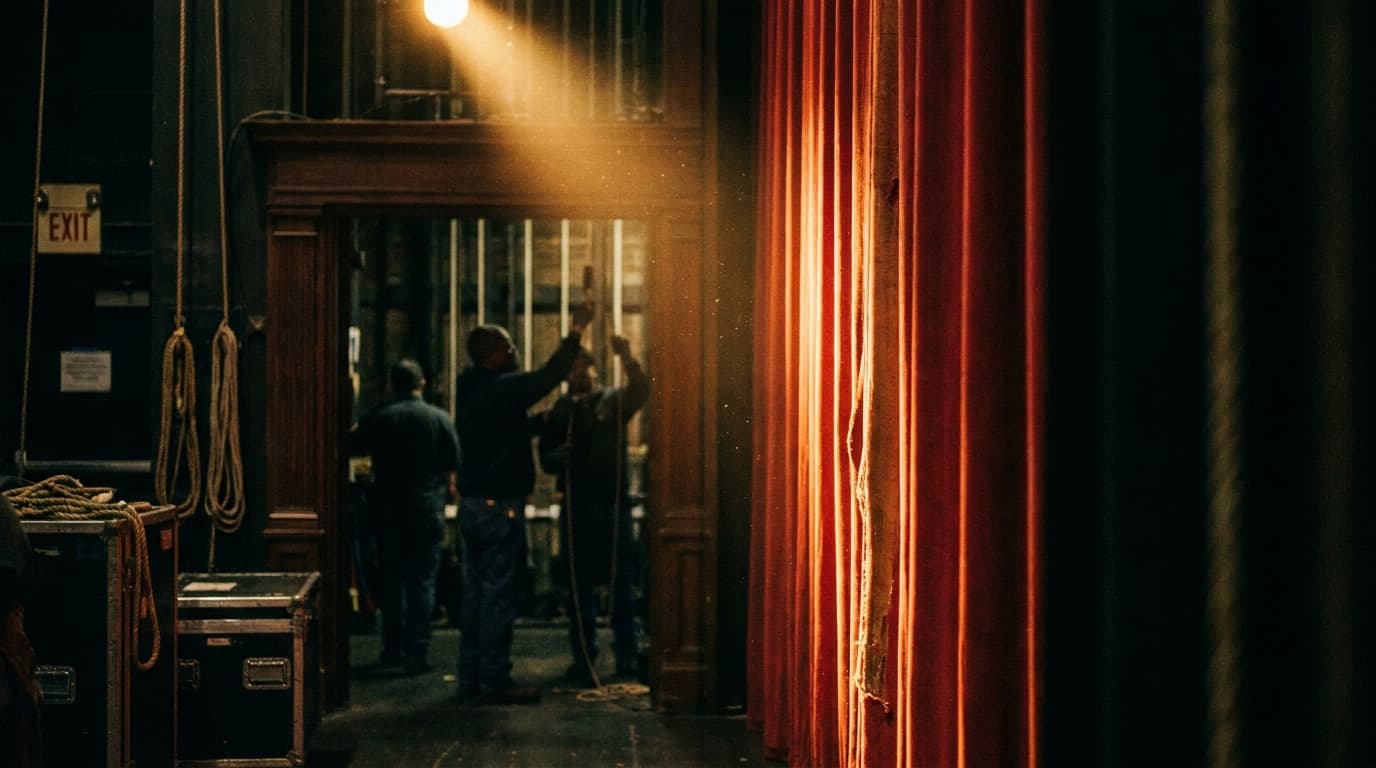
At 09:00, the focus shifts directly to the main stage for the technical rehearsal. During this two-hour window, dancers step onto the marley surface to run through choreography alongside light technicians and audio operators. The technical crew finalizes lighting cues, verifies monitor volume levels, and tests microphone levels for hosts. Spacing calls are confirmed so performers adjust comfortably to the auditorium's sightlines. This technical preparation mirrors the structured coordination found in a Film screening event timeline or a complex Museum launch day planning schedule.
Midday Preparation and House Opening
| Time | Event |
|---|---|
| 11:00 | Lunch Break |
| 12:00 | Costume and Makeup Finalization |
| 12:30 | Audience Seating |
Once technical rehearsals wrap up, dancers transition into the Green Room for a mandatory one-hour meal and rest period. Dancers must hydrate and eat light snacks away from delicate costumes to maintain energy levels without chancing spills on performance attire. Giving young performers quiet time off stage keeps energy focused and mood positive before the live show.
At 12:00, the energy shifts to dressing rooms for costume, hair, and makeup preparation. Coaches and backstage volunteers assist with securing headpieces, fixing bobby pins, checking tights, and applying final stage cosmetics under bright lights. At 12:30, front-of-house staff take over as the theater doors open. Ushers welcome ticket holders into the auditorium, distribute printed programs, and guide families to assigned seats while ambient pre-show music creates an inviting atmosphere.
The Showcase, Awards, and Post-Show Gathering
| Time | Event |
|---|---|
| 13:00 | Dance Recital Performance |
| 14:30 | Awards Ceremony |
| 15:00 | Cast Group Photos |
| 15:30 | Reception and Refreshments |
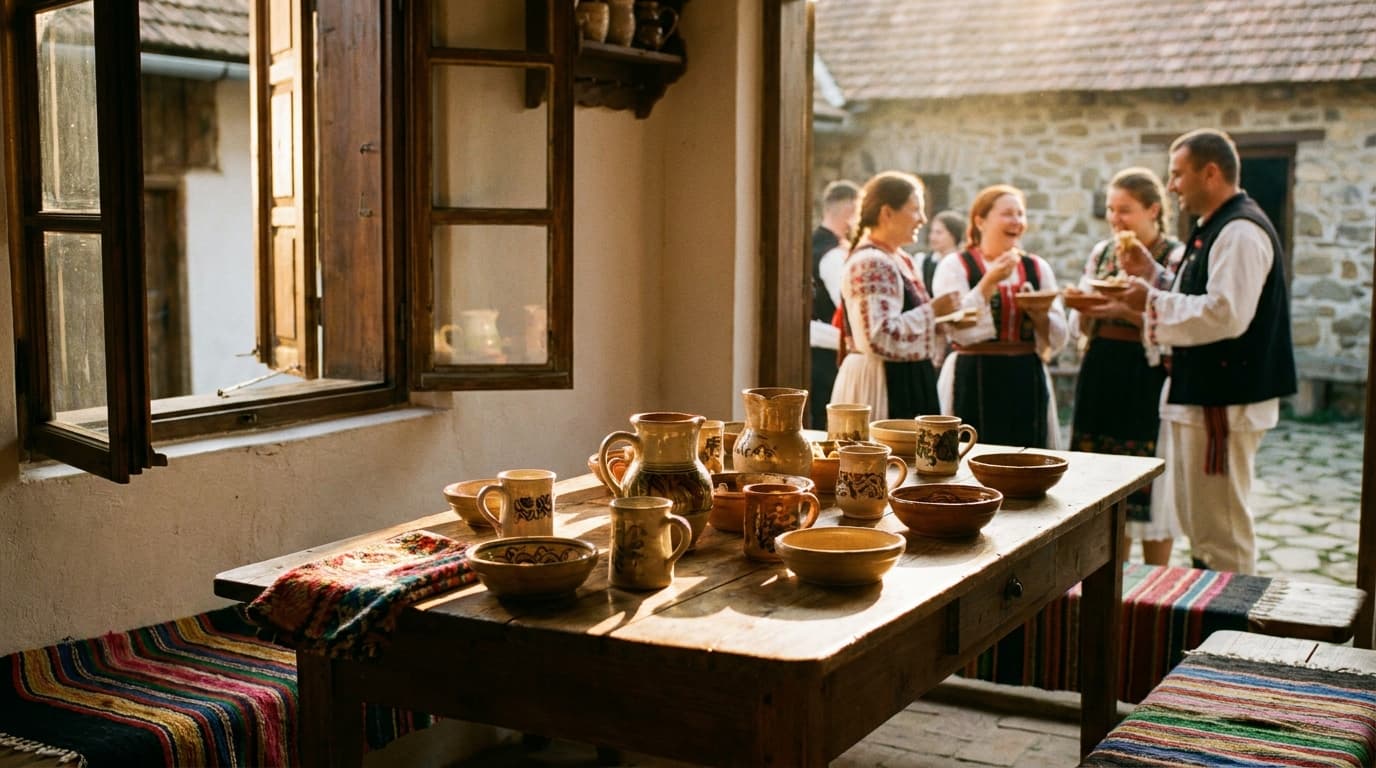
At precisely 13:00, house lights dim and the live recital begins on the main stage. The performance showcases multiple dance styles, including ballet, tap, jazz, and contemporary routines. Stage managers manage backstage lineup queues and enforce quick-change protocols in the wings, while a scheduled intermission gives audience members a short stretch break and lets multi-routine dancers change wardrobe seamlessly. Similar energy management strategies are used when organizing a Language Celebration Event timeline or a Cultural Heritage Day Schedule.
Directly following the final ensemble bow at 14:30, studio instructors lead the awards ceremony on stage. Instructors present certificates and trophies celebrating student progression, perfect attendance, and senior achievements. Once awards conclude at 15:00, dancers gather at stage front for organized group portraits with professional photographers. Finally, guests and cast members transition into the theater lobby at 15:30 for light refreshments and casual social time, concluding a memorable performance day.
Dance Recital Schedule vs Dance Recital Running Order
It is common for studio parents and volunteers to confuse a master recital schedule with a program running order. While both are critical production documents, they serve distinctly different operational purposes on performance day.
| Feature | Dance Recital Schedule | Dance Recital Running Order |
|---|---|---|
| Primary Focus | Full-day operational timeline from door unlock to strike | Sequential lineup of routines performed during the show |
| Primary Audience | Studio directors, venue managers, technical crew, dressers | Stage manager, backstage lineup team, dancers, audience |
| Key Details | Call times, tech blocks, house opening, awards, photos | Routine numbers, song titles, class names, costume codes |
| Time Format | Absolute clock times (e.g., 08:00, 12:30) | Sequential numbers or approximate routine duration |
Who Should Use This Template?
This master schedule is tailored for dance professionals and venue teams who need a reliable blueprint for managing multi-group stage productions. It adapts easily across various performing arts formats and studio sizes.
- Dance Studio Directors & Owners: Manage end-to-end event timing across multiple student age groups and dance disciplines.
- Stage Managers & Tech Crews: Track venue access, sound checks, lighting cues, and curtain times across production shifts.
- Dance Instructors & Choreographers: Coordinate student call times, warm-up space usage, and quick-change readiness backstage.
- Volunteer Parent Coordinators: Direct green room activities, dressing room assignments, and backstage hall monitoring.
- Performing Arts Center Managers: Align venue staffing, security, box office opening, and lobby sanitation services.
Chronolio offers specialized multi-user access tailored for various event management roles, ensuring your backstage team, lighting board operators, and front-of-house leads remain synchronized on live timing updates.
How to Use This Template
- Download or Duplicate: Select your preferred file format by clicking either the editable Word Document schedule or the print-ready PDF format schedule.
- Set Your Anchor Times: Adjust the primary showtime (e.g., 13:00) to match your ticketed performance start time, working backward to automatically adjust morning call times.
- Customize Rehearsal Durations: Modify tech rehearsal blocks based on your routine count, stage complexity, and ensemble experience levels.
- Distribute to Key Stakeholders: Share customized versions with your venue manager, tech crew, and parent volunteers at least two weeks before show day.
Tips for a Successful Dance Recital
- Establish Strict Backstage Call Times: Require dancers to arrive fully dressed in base layers with hair completed to streamline dressing room operations.
- Label All Costume Accessories: Encourage parents to tag every shoe, hairpiece, costume bag, and garment rack with the dancer's full name to avoid mix-ups.
- Position Quick-Change Stations Near Wings: Set up privacy screens, clothing racks, and mirrors immediately adjacent to stage exits for routines with tight costume transitions.
- Designate a Dedicated Green Room Lead: Assign a calm, experienced volunteer to oversee dancer safety, manage snack breaks, and maintain low volume in backstage holding areas.
- Conduct a Full Stage Walk-Through: Walk young performers through stage entrances and exits during morning tech runs so they feel confident under bright stage lights.
- Keep First Aid and Repair Kits Trackside: Maintain extra tights, bobby pins, hairspray, clear tape, safety pins, and basic medical supplies at both stage wings.
- Coordinate House Lighting Protocols: Ensure house managers and stage managers communicate via headsets before unlatching doors for audience seating.
Common Mistakes to Avoid
- Underestimating Quick-Change Windows: Placing a dancer in back-to-back numbers without at least three routines in between leads to missed cues and wardrobe errors.
- Skipping the Physical Warm-Up: Rushing straight onto a cold stage without stretching dramatically increases the risk of pulled muscles and twisted ankles.
- Overcrowding the Dressing Rooms: Failing to separate age groups or routine styles leads to lost items, excess noise, and unnecessary stress backstage.
- Allowing Messy Snacks Backstage: Permitting colored juices, chocolate, or greasy finger foods near delicate costumes frequently causes stubborn stains right before showtime.
- Ignoring Auditorium Door Timings: Opening house doors late causes long lobby lines, delays show start times, and disrupts technical checks.
- Forgetting Post-Show Photo Scheduling: Leaving group photos unorganized leads to chaotic crowds on stage and extends venue rental fees.
In Summary
- Master Operational Tool: A dance recital schedule integrates morning check-in, technical rehearsals, front-of-house opening, and stage performances into a single master workflow.
- Performer-Centric Design: Prioritizes structured warm-up times, green room meal breaks, and quiet costume prep to maintain dancer safety and high energy.
- Technical Synchronization: Aligns audio engineers, lighting board operators, and stage managers around clear rehearsal and show cues.
- Built for Multi-Group Management: Serves studio owners, stage crews, parent volunteers, and venue operators seamlessly.
- Completely Customizable: Adapts easily for studio showcases, competitive showcases, and multi-session weekend recitals.
Planning a dance recital requires balancing technical precision, backstage care, and polished front-of-house hospitality. By following this structured timetable, studio owners, stage managers, and instructors can execute a stress-free production that highlights every dancer's hard work. For similar structured event formats, explore our guides on Poetry reading night event execution and Photography Exhibition Timelines.
Create Your Dance Recital Schedule