





This Template at a Glance
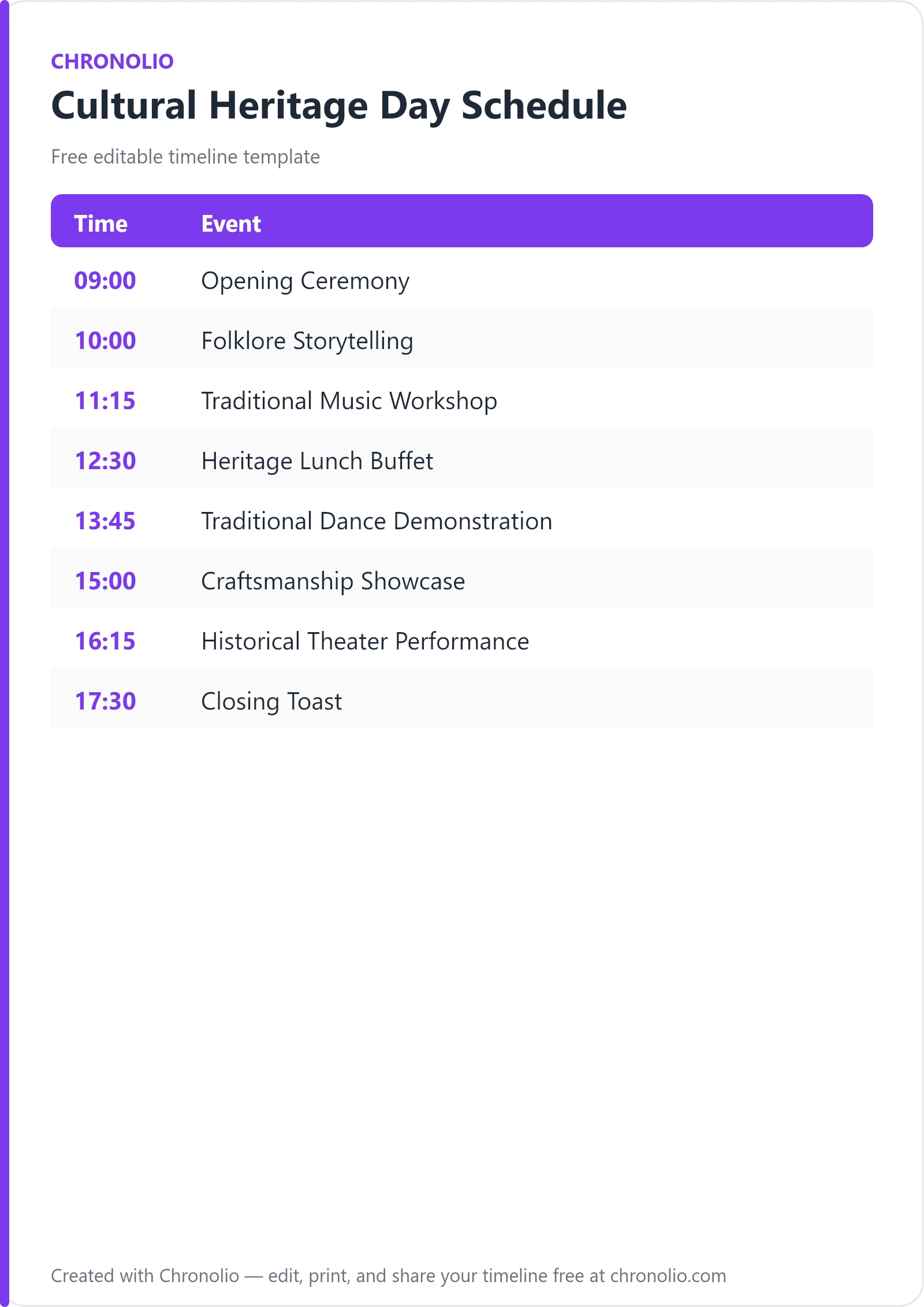
Here is the complete schedule this free template gives you — every time block, ready to edit, download, and share:
| Time | Event |
|---|---|
| 09:00 | Opening Ceremony |
| 10:00 | Folklore Storytelling |
| 11:15 | Traditional Music Workshop |
| 12:30 | Heritage Lunch Buffet |
| 13:45 | Traditional Dance Demonstration |
| 15:00 | Craftsmanship Showcase |
| 16:15 | Historical Theater Performance |
| 17:30 | Closing Toast |
What Is a Cultural Heritage Day Schedule?
A cultural heritage day schedule is the master operational timeline that aligns performers, elders, artisans, and attendees across a multi-faceted celebration of history, art, and community traditions. Organizing a community-wide festival requires seamless coordination between varied discipline areas—ranging from live musical performances and guided folk dances to artisan workshops and culinary heritage displays.
As venue operators who have hosted dozens of cultural galas, historical festivals, and community gatherings, we know that guest engagement depends heavily on physical crowd movement and clear timekeeping. This proven schedule reflects real-world festival logistics and proven event management principles, balancing quiet interactive sessions with high-energy mainstage acts. Whether you are running a regional museum program, a municipal festival, or an academic celebration, this blueprint keeps your operations punctual while giving every cultural group its moment to shine.
Use This Cultural Heritage Day Schedule Template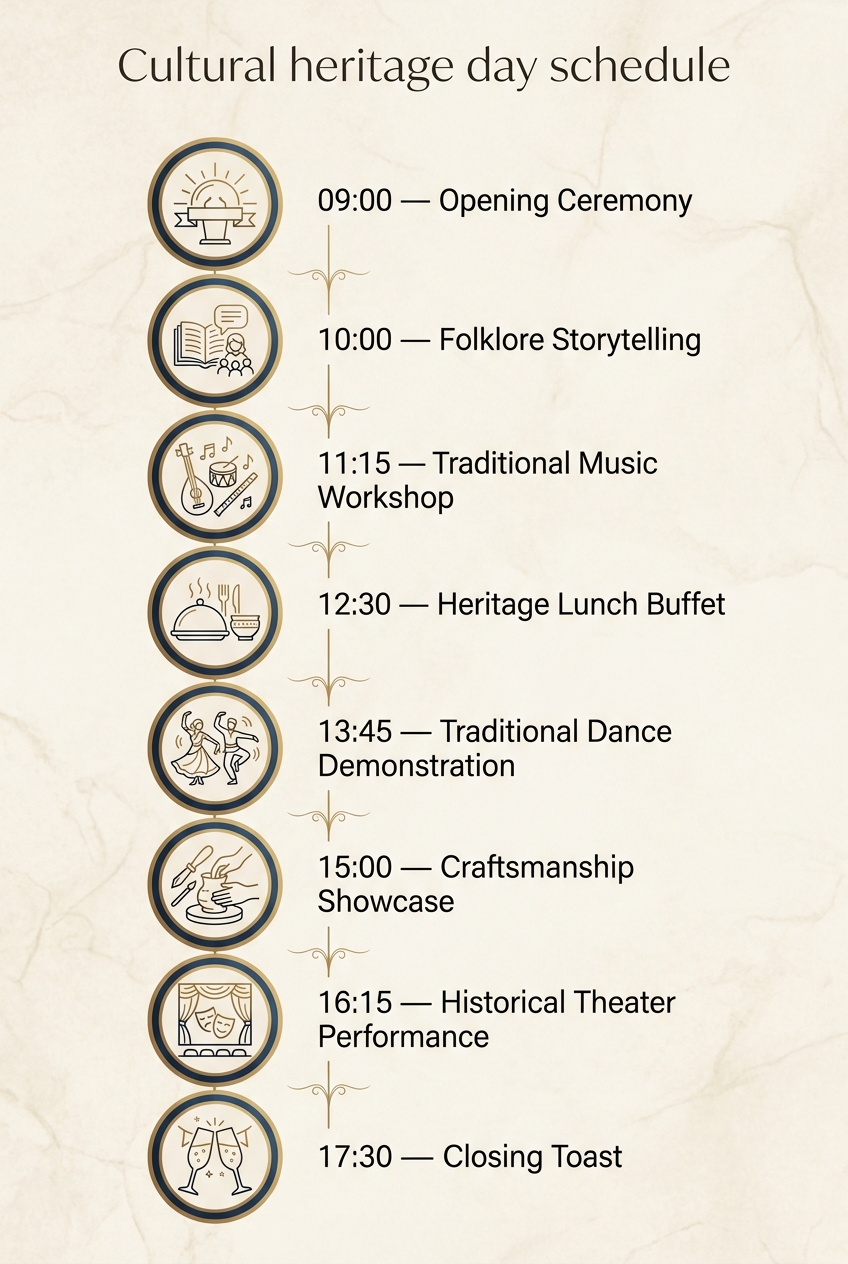
Why Cultural Heritage Days Need a Schedule
Running a complex, multi-activity celebration without a central timeline quickly leads to crowd congestion, missed performances, and stressed vendors. A well-planned event sequence keeps logistics running predictably so attendees can immerse themselves in the experience without wondering where to go next.
First, cultural heritage festivals rely heavily on distinct functional spaces such as pavilions, dining halls, and outdoor stages. Staggering start times prevents physical bottlenecks near entrances and food areas while maintaining a steady flow of foot traffic. If you are coordinating secondary literary or theatrical tracks, you can easily pair this master plan with a poetry reading night schedule to manage concurrent intimate stages.
Second, artists, elders, and culinary staff need precise setup windows. Master craftspeople bringing delicate tools and performers changing into authentic historical attire require clear lead times before their programmed sessions start. Having an explicit schedule establishes clear accountability for stage managers, audio technicians, and volunteers across every zone.
Finally, attendees appreciate predictability. When families and visitors know precisely when interactive workshops or tasting buffets take place, they can plan their stay, boosting overall satisfaction and overall festival attendance.
What to Include in a Cultural Heritage Day Schedule
To offer a balanced cultural narrative, an effective heritage day schedule should incorporate distinct activity categories distributed across dedicated event zones:
- Opening and Closing Ceremonies: Formal welcome addresses led by elders, community leaders, or civic officials to establish sacred or respectful cultural space.
- Oral Traditions & Interactive Storytelling: Intimate sessions where tradition-bearers share folklore, historical accounts, and regional myths with audience Q&A.
- Hands-on Workshops: Participatory musical or artistic sessions where visitors learn directly from master artisans and musicians.
- Culinary Heritage Experiences: Shared communal dining featuring authentic regional recipes, traditional preparation methods, and local ingredients.
- Visual & Performing Arts Demonstrations: High-impact mainstage folk dance performances, traditional garment displays, and historical theater.
- Artisan Craft Showcases: Live drop-in demonstrations of heritage techniques like weaving, pottery, and wood carving.
Morning Ceremonies & Oral Traditions
| Time | Event |
|---|---|
| 09:00 | Opening Ceremony |
| 10:00 | Folklore Storytelling |
| 11:15 | Traditional Music Workshop |
The day begins at 09:00 on the Main Stage with the Opening Ceremony, bringing attendees together for a traditional welcome address and symbolic opening ritual. Initiating the festival on the main stage establishes a unified starting point where organizers can broadcast essential announcements and set a respectful tone for the day's traditions.
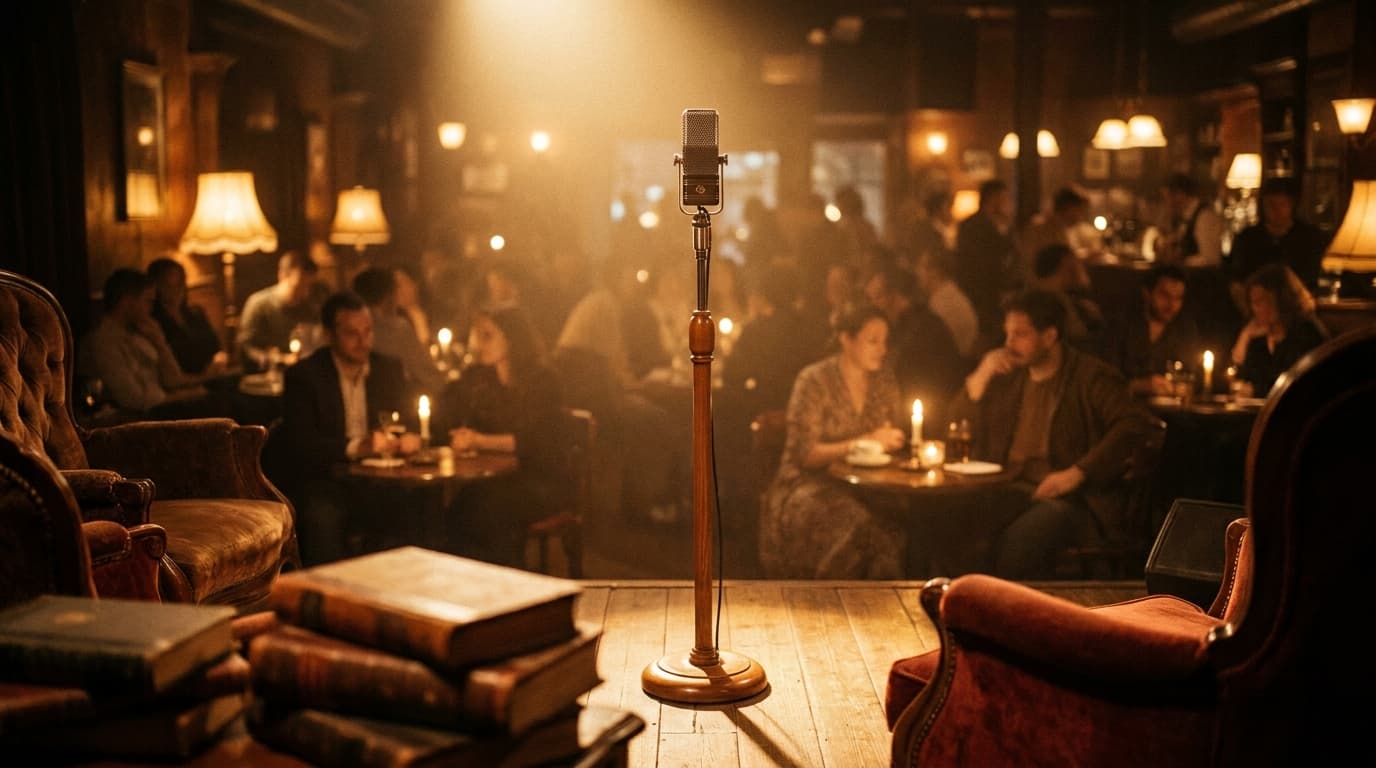
At 10:00, the event transitions to the Heritage Tent for Folklore Storytelling. Shifting from a large main stage to an intimate tent setting creates an authentic atmosphere for oral history, allowing elder storytellers to interact directly with listeners. Giving this session a full hour allows stories to unfold naturally without feeling rushed, encouraging direct audience participation and dialogue.
By 11:15, participants move to the Music Pavilion for the Traditional Music Workshop. Following oral storytelling with an active music session keeps morning energy levels climbing as guests transition from passive listening to hands-on learning. The 15-minute buffer between 11:00 and 11:15 provides crucial travel time across the grounds, allowing master musicians to distribute instruments and seat participants comfortably before instruction begins. If your institution regularly features historical exhibits, you can cross-reference this setup with our museum launch day schedule.
Cultural Feast & Afternoon Arts
| Time | Event |
|---|---|
| 12:30 | Heritage Lunch Buffet |
| 13:45 | Traditional Dance Demonstration |
| 15:00 | Craftsmanship Showcase |
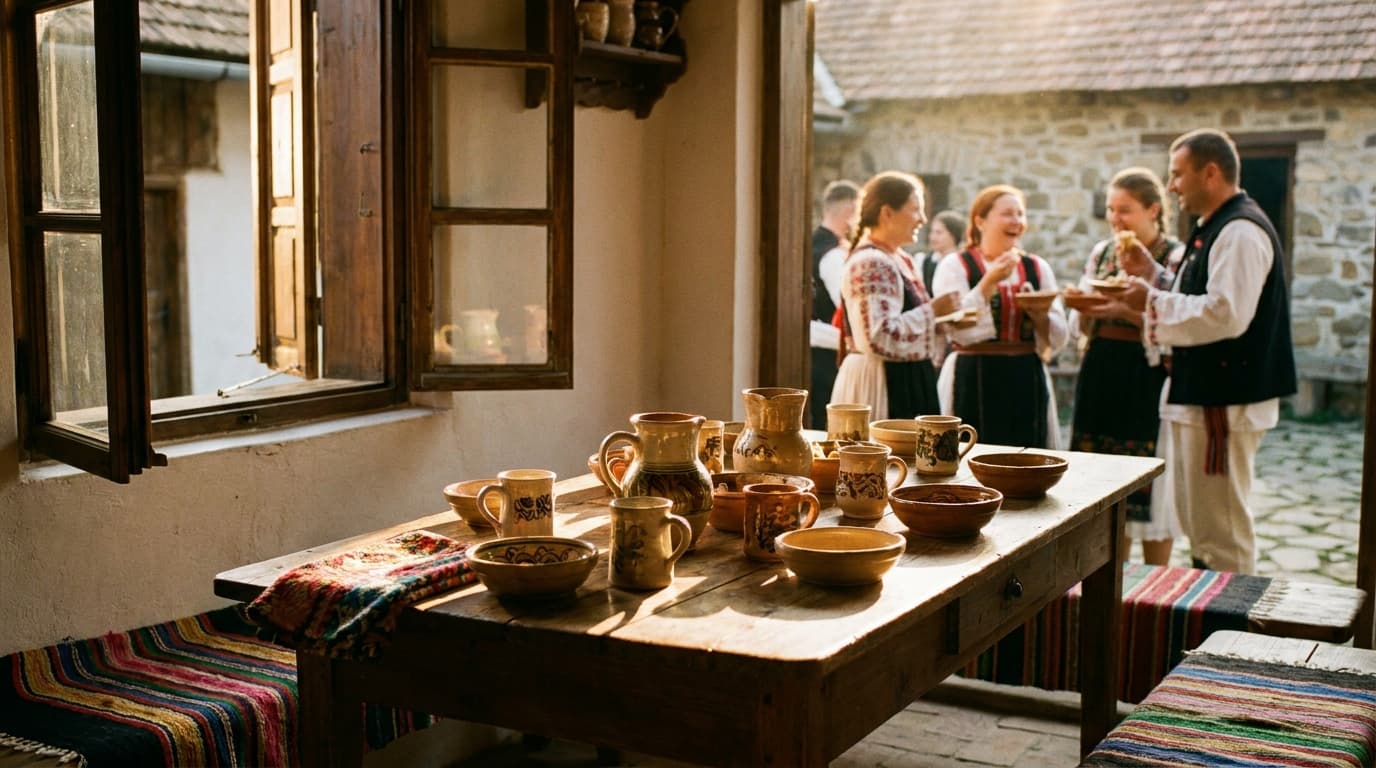
At 12:30, the entire festival shifts focus toward the Dining Hall for the Heritage Lunch Buffet. Placing a dedicated culinary window in the middle of the day prevents attendee fatigue and sustains energy for the afternoon activities. Serving authentic regional dishes prepared through traditional methods offers a rich sensory connection to the region's heritage while giving performers and crew a scheduled rest break.
At 13:45, activity re-energizes on the Main Stage with the Traditional Dance Demonstration. Scheduling a dynamic visual dance showcase immediately after lunch draws crowds back out of the dining areas and re-establishes an exciting festival momentum. Incorporating an open folk dance lesson at the end of the demonstration transforms passive spectators into active participants. If your main stage features structured choreography or complex lighting cues, review our specialized dance recital schedule for extra stage management insights.
At 15:00, foot traffic spreads into the Exhibition Zone for the Craftsmanship Showcase. Transitioning from dynamic dance to open-air craft exhibits prevents crowd congestion around main stages by distributing visitors across artisan booths. Guests can observe weaving, wood carving, and pottery at their own pace, asking questions directly to local craftspeople. For events heavily focused on visual displays and gallery setups, integrate ideas from our photography exhibition timeline.
Dramatic Performances & Final Toast
| Time | Event |
|---|---|
| 16:15 | Historical Theater Performance |
| 17:30 | Closing Toast |
At 16:15, attendees gather at the Open Air Theater for the Historical Theater Performance. Staging a dramatic play late in the afternoon capitalizes on natural light and outdoor seating while delivering a powerful narrative highlight before the festival wraps up. Period-accurate costuming and dramatic storytelling provide a memorable cultural climax to the day's educational programming.
At 17:30, the community convenes at the Grand Plaza for the Closing Toast. Bringing everyone back together in a central outdoor plaza provides a clean operational conclusion to the schedule, allowing organizers, performers, and visitors to toast the day's achievements together. To ensure your linguistic and cultural presentations run smoothly, refer to our guide on organizing a language celebration event schedule. Furthermore, if your heritage day includes documentary video elements, review our film screening event timeline to coordinate media equipment efficiently.
Cultural Heritage Day Schedule vs Event Running Order
While people sometimes use these terms interchangeably, a master cultural heritage schedule serves a broader public purpose than a technical event running order:
| Feature | Cultural Heritage Day Schedule | Technical Event Running Order |
|---|---|---|
| Primary Audience | Festival guests, general public, and press | Stage managers, AV technicians, and crew |
| Focus Area | Event times, locations, activity types, and descriptions | Cues, lighting changes, mic assignments, and load-in times |
| Level of Detail | Public-facing activity blocks (30–60 mins) | Minute-by-minute operational execution |
| Distribution | Printed programs, signage, and venue apps | Internal staff binders and backstage headsets |
A public cultural heritage day schedule keeps attendees informed and moving smoothly, whereas an internal running order manages backstage mechanics like microphone battery swaps, stage resets, and audio checks.
Who Should Use This Template?
This schedule structure is crafted for organizers hosting cultural, historical, or community festivals across diverse settings:
- Municipal Cultural Departments: Hosting city-wide heritage festivals, multicultural days, or civic history celebrations.
- Museums and Historical Societies: Running living history days, artisan trade demonstrations, and regional anniversary galas.
- Community Cultural Centers: Coordinating multi-generational gatherings featuring traditional arts, music, and food.
- Universities and Schools: Organizing campus multicultural celebrations and international student heritage showcases.
- Parks and Recreation Boards: Managing outdoor historical park events and open-air performance festivals.
Chronolio supports the distinct event roles required across these teams—from venue directors and stage managers to volunteer coordinators and master presenters.
How to Use This Template
- Duplicate or Download the Template: Click Use This Cultural Heritage Day Schedule Template to launch the editable interactive timeline directly in Chronolio, or download offline versions in .docx or .pdf formats.
- Set Your Festival Date and Hours: Adjust the master start time to align with your venue's operating hours and local sunrise or sunset times.
- Assign Specific Zones and Venues: Map each event block to your actual physical locations (e.g., Pavilion A, Main Stage, East Lawn).
- Distribute to Key Stakeholders: Share customized views with stage leads, sound engineers, artisans, and catering vendors so everyone understands their setup windows.
- Publish Public Signage: Export clean PDF schedules for display boards, visitor leaflets, and digital event landing pages.
Tips for a Successful Cultural Heritage Day
- Establish Dedicated Buffer Zones: Always build 15-minute transition gaps between major acts across different locations so attendees can walk leisurely between stages.
- Designate Zone Managers: Assign a specific staff member or volunteer lead to every designated venue area to assist performers and keep sessions on time.
- Provide Clear Wayfinding Signage: Post printed daily schedules near main entrances and stage junctions matching the exact terminology used in printed programs.
- Prepare Audio Backups: Ensure portable wireless microphones and battery PA systems are available for outdoor tents where acoustic coverage might be limited.
- Hydrate Performers and Storytellers: Set up backstage green rooms or quiet water stations behind stages, especially for outdoor afternoon performances.
- Coordinate Outdoor Lighting: Check sunset times when scheduling late afternoon theatrical performances to ensure natural visibility remains adequate in open-air theaters.
- Highlight Accessibility Routes: Ensure paths between storytelling tents, craft zones, and dining halls are fully accessible to all mobility levels.
Common Mistakes to Avoid
- Overcrowding the Stage Schedule: Cramming too many back-to-back performances onto a single main stage leads to cascading delays if an early group overruns.
- Ignoring Vendor Setup Lead Times: Forgetting to give master artisans and caterers dedicated load-in times before public doors open causes unnecessary setup stress.
- Neglecting Sound Bleed: Placing acoustic storytelling tents directly adjacent to loud traditional drumming pavilions causes sound interference.
- Forgetting Centralized Announcements: Failing to broadcast daily schedule updates over a main PA system leaves guests unaware of upcoming workshop starts.
- Underestimating Meal Break Crowds: Scheduling a brief lunch break for a large crowd creates long lines and delays afternoon stage sessions.
- Omitting Interactive Elements: Keeping attendees as passive observers all day reduces overall engagement; always balance presentations with hands-on sessions.
In Summary
- Balanced Variety: Combines oral history, live music, interactive workshops, communal dining, craft exhibits, and theatrical drama into one seamless 9-hour timeline.
- Multi-Zone Efficiency: Distributes crowd foot traffic across dedicated venues like main stages, heritage tents, dining halls, and outdoor theaters.
- Built-in Buffers: Incorporates 15-minute transition windows between major programmed sessions to ensure predictable operational flow.
- Flexible Customization: Fully editable within Chronolio or downloadable in standard Word and PDF formats for quick printing.
- Professional Guidance: Aligns with guidelines recommended by cultural organizations like the National Endowment for the Arts and UNESCO Cultural Heritage Resources.
Planning a memorable heritage celebration requires clear timekeeping, logical zone transitions, and seamless vendor coordination. Whether you are managing a municipal festival, a university multicultural day, or a regional museum showcase, this template provides the structure needed to deliver a smooth, meaningful cultural experience for your entire community.
Use This Cultural Heritage Day Schedule Template