





This Template at a Glance
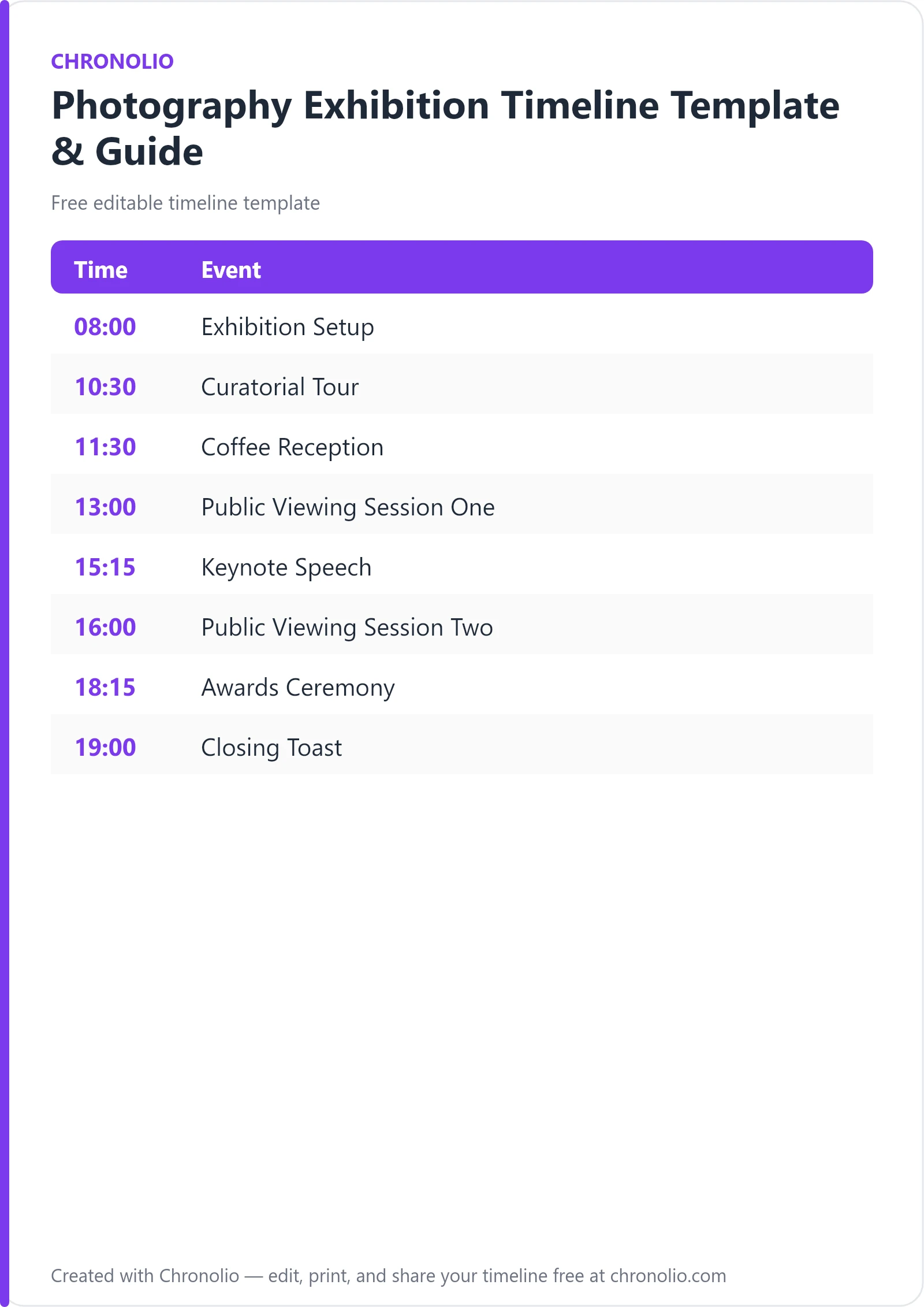
Here is the complete schedule this free template gives you — every time block, ready to edit, download, and share:
| Time | Event |
|---|---|
| 08:00 | Exhibition Setup |
| 10:30 | Curatorial Tour |
| 11:30 | Coffee Reception |
| 13:00 | Public Viewing Session One |
| 15:15 | Keynote Speech |
| 16:00 | Public Viewing Session Two |
| 18:15 | Awards Ceremony |
| 19:00 | Closing Toast |
What Is a Photography Exhibition Timeline?
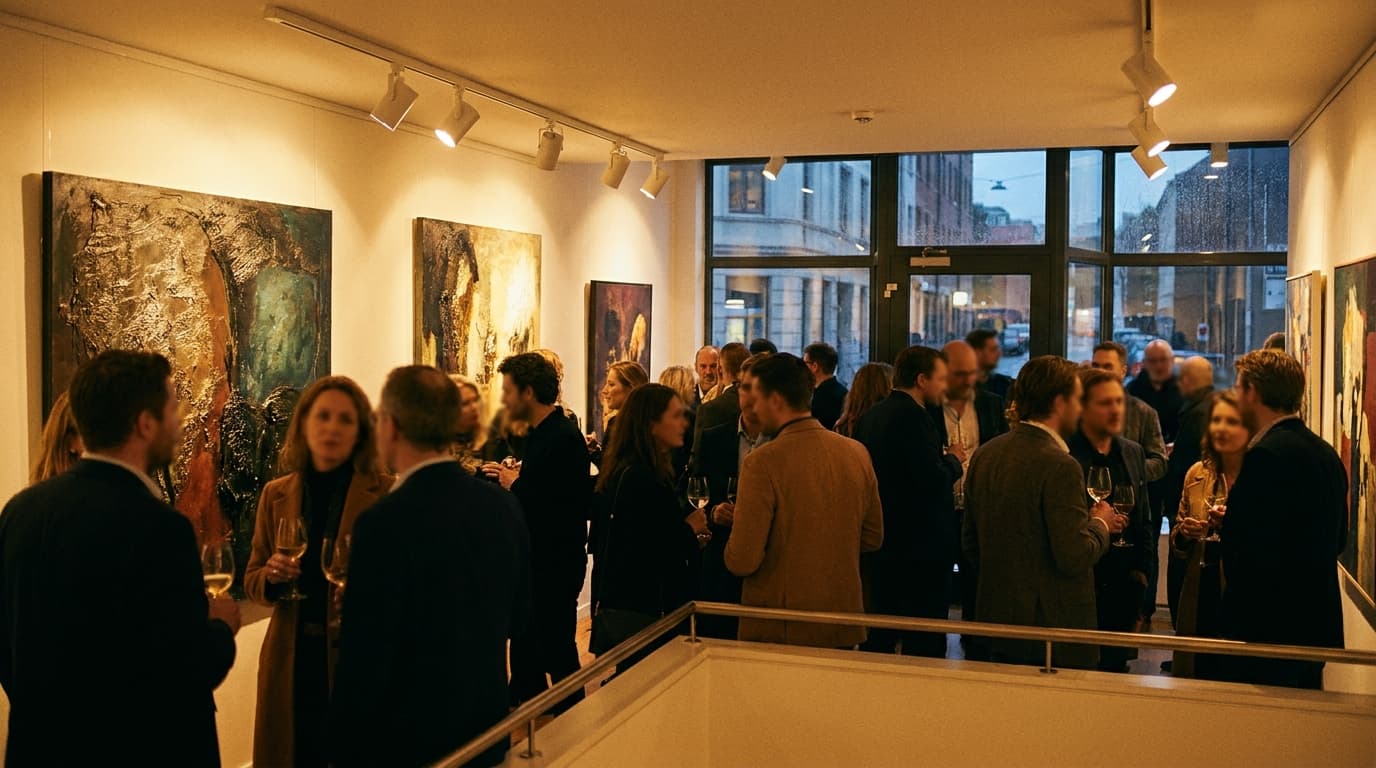
A photography exhibition timeline is an operational master plan that maps out every time-bound activity during an art exhibition day. Running a gallery event requires precision: delicate framed prints must be inspected under proper track lighting, press members require dedicated curatorial access, and public crowds need comfortable viewing intervals. Having managed dozens of gallery openings and fine art installations, I can confirm that a loose schedule leads to overcrowded display rooms, missed media coverage, and flustered artists.
This template reflects real-world gallery management standards, derived from best practices used by cultural institutions worldwide. It balances technical pre-checks, media previews, public walk-throughs, educational talks, and formal awards into a unified operational sequence. By adopting a structured schedule, gallery managers maintain control over visitor capacity, art safety, and staff coordination.
Use this Photography Exhibition Timeline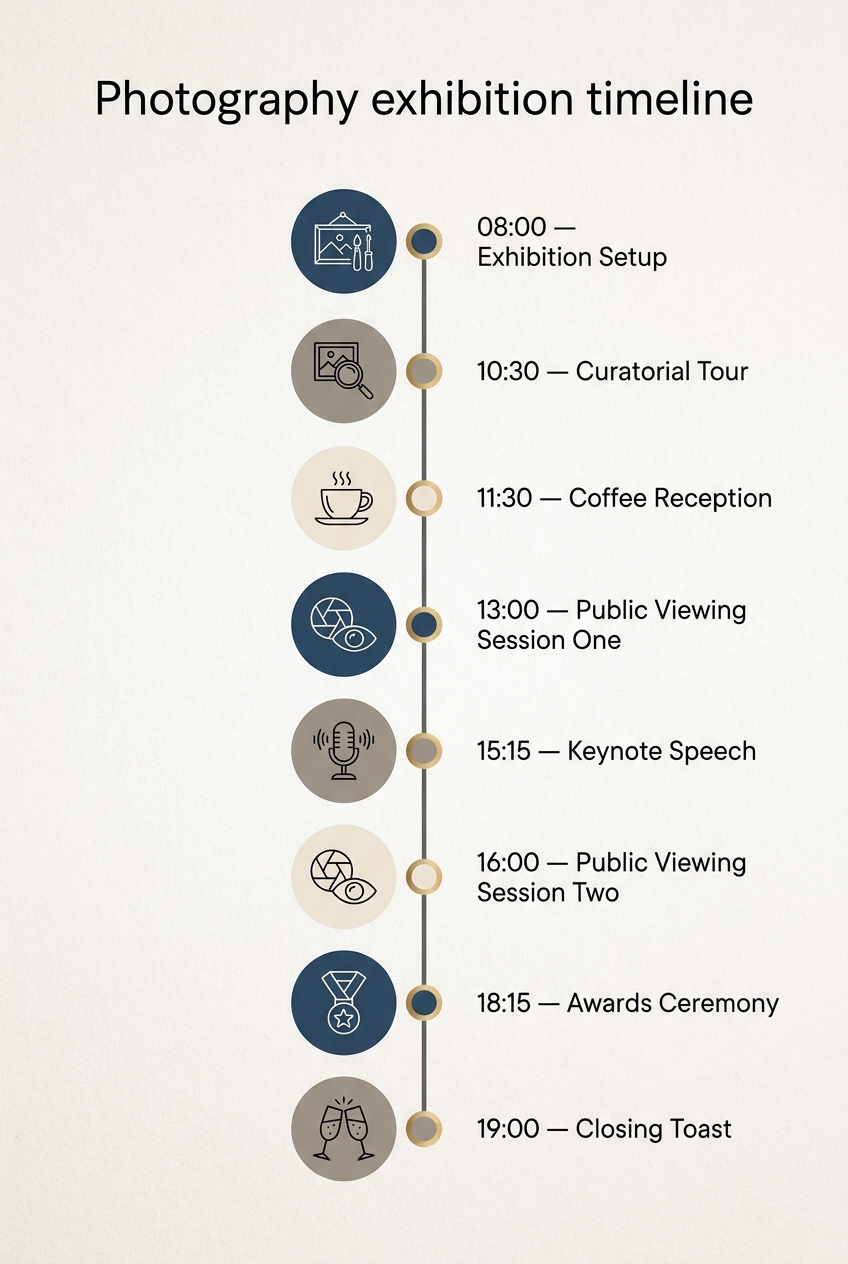
Why Photography Exhibitions Need a Timeline
Exhibition planning involves coordinating multiple moving parts across different physical spaces within a gallery. Without a rigorous schedule, technical lighting checks conflict with press arrivals, visitors overcrowd narrow gallery wings, and keynote speakers run over their allotted floor time. A clear timeline establishes accountability across gallery assistants, curators, technical crews, caterers, and security personnel.
Furthermore, a well-paced schedule directly enhances the visitor experience. Art appreciation requires contemplative space and logical crowd control. Stagering public viewing sessions around key programming—such as keynotes and award presentations—ensures steady foot traffic without overwhelming display rooms. If you are coordinating a wider cultural program, you can also explore our Cultural Heritage Day Schedule guide or see how media events structure their screenings in our Film Screening Event Timeline guide.
For official planning documentation, you can download this exact structure in Microsoft Word format or access the PDF version for printed floor distribution.
What to Include in a Photography Exhibition Timeline
Every successful gallery show relies on a sequence that protects artwork and respects visitor time. When drafting your schedule, ensure you account for these foundational stages:
- Technical Setup & Lighting Audits: Final positioning of gallery track lighting, monitor color calibration, wall label alignment, and interactive display testing.
- Press & VIP Curatorial Walkthroughs: Private, low-density tours led by curators to offer journalists and special guests deep context on the artistic narrative.
- Hospitality & Networking Breaks: Dedicated buffer periods in neutral spaces like gallery foyers to encourage guest conversation without risking spillages near delicate prints.
- Structured Public Viewing Hours: Defined morning or afternoon windows that regulate visitor numbers and allow floor staff to manage traffic.
- Educational Programming: Keynote lectures, artist Q&A panels, or live demonstrations that add educational value for attendees.
- Recognition & Closing Ceremonies: Formal announcements, competition award presentations, and ceremonial toasts to celebrate participating photographers.
Morning Setup & Press Preview
| Time | Event |
|---|---|
| 08:00 | Exhibition Setup |
| 10:30 | Curatorial Tour |
| 11:30 | Coffee Reception |
The morning phase lays the groundwork for the entire exhibition. Starting at 08:00 in the Main Gallery Hall, venue technicians and gallery assistants execute final checks. This involves adjusting anti-glare spotlighting, verifying color balance on digital viewing panels, checking wall labels, and ensuring environmental conditions match museum preservation standards. Allowing two full hours for setup guarantees that any last-minute technical glitches—such as a flickering track light or unresponsive multimedia screen—are resolved long before guests arrive.
At 10:30, activities transition to Gallery North Wing for the exclusive curatorial tour. Inviting press representatives, critics, and key sponsors to a quiet preview before general admission opens is a proven industry standard advocated by institutions like the International Center of Photography. The lead curator walks attendees through the conceptual framework, pointing out technical nuances in matting, framing, and print processing. Following the tour, guests move into the Gallery Foyer at 11:30 for a relaxed coffee reception, giving journalists a quiet space to record interviews with featured artists while gallery staff clear the main halls for public entry.
Afternoon Public Viewing & Keynote
| Time | Event |
|---|---|
| 13:00 | Public Viewing Session One |
| 15:15 | Keynote Speech |
| 16:00 | Public Viewing Session Two |
Afternoon programming shifts focus to general public engagement and educational presentation. The gallery doors open at 13:00 for Public Viewing Session One in the Main Gallery Hall. Restricting this initial session to two hours prevents visitor fatigue and prevents hall bottlenecks. Floor docents are positioned strategic distances apart to answer questions, protect un-glassed prints, and direct traffic flow through connected exhibition bays.
At 15:15, visitors transition into the gallery Auditorium for the featured keynote speech. Stepping away from the visual displays into a seated room provides guests a welcome mental break. A guest speaker—often a master photographer or industry veteran—delivers a 30-minute talk on photography techniques or narrative evolution, followed by an interactive Q&A session. If your cultural venue incorporates performing arts alongside visual media, you may find helpful structural insights in our Dance Recital Schedule guide or our guide on Poetry Reading Night scheduling.
Following the lecture, Public Viewing Session Two begins at 16:00 in the Main Gallery Hall. This secondary slot accommodates late afternoon visitors, working professionals, and keynote attendees who wish to re-examine specific photo series after hearing the lecture context.
Evening Awards & Closing Toast
| Time | Event |
|---|---|
| 18:15 | Awards Ceremony |
| 19:00 | Closing Toast |
The evening culminates in formal celebration and peer recognition. At 18:15, guests reassemble in the Main Gallery Hall for the awards ceremony. Framing this event directly inside the main gallery space keeps focus on the winning photography pieces displayed nearby. The judging panel presents awards across designated categories—such as documentary, landscape, or portraiture—keeping remarks concise to sustain energy across the audience.
At 19:00, the event transitions to its conclusion with a closing toast in the Gallery Foyer. Moving food and beverage service out of the main print display area protects original works while offering artists, patrons, and visitors an intimate networking environment to conclude the day. By 20:00, staff gracefully clear the floor, ensuring a clean venue handover. Venue directors coordinating multi-faceted museum events can compare this framework with our Museum Launch Day template and our guide to Language Celebration Events.
Photography Exhibition Timeline vs Gallery Opening Run Sheet
Exhibition planners often confuse a master event timeline with an operational run sheet or an art installation checklist. Understanding the distinction ensures your team uses the right tool for each stage of gallery planning.
| Feature / Detail | Master Exhibition Timeline | Gallery Operational Run Sheet |
|---|---|---|
| Primary Focus | Overall event flow, guest experience, public session timing, and key programming milestones. | Granular crew actions, technical cues, lighting adjustments, catering prep times, and security posts. |
| Target Audience | Curators, artists, VIP guests, press, floor managers, and public attendees. | Technical stagehands, AV crews, security personnel, caterers, and floor docents. |
| Time Precision | Scheduled in 15-to-30-minute operational windows across the full day. | Minute-by-minute or cue-by-cue breakdown during live segments. |
| Content Scope | Curatorial tours, public viewing blocks, keynotes, awards, and receptions. | Mic checks, dimming track lights, opening specific double doors, trash sweeps. |
Who Should Use This Template?
This exhibition timeline is engineered for gallery directors, independent curators, art cultural managers, and event coordinators who need a tested schedule for art showcases. It provides clear timing boundaries while remaining fully flexible for events of varying scale.
This template directly serves:
- Commercial Art Galleries: Managing fine art photography print sales, press previews, and collector receptions.
- Museums & Cultural Centers: Structuring large-scale photography retrospectives and public educational talks.
- University Arts Departments: Organizing end-of-year student photography showcases and faculty award nights.
- Photography Associations & Clubs: Running regional photo competitions, judging ceremonies, and member exhibitions.
- Independent Art Curators: Pitching structured event concepts to pop-up gallery venues and cultural spaces.
Chronolio offers specialized features tailored to different administrative roles, allowing gallery managers, technical leads, and press liaisons to collaborate effortlessly on shared operational schedules.
How to Use This Template
- Duplicate or Download: Access this schedule online through Chronolio or download the editable .docx version or .pdf format.
- Set Your Specific Event Date: Align the master timeline with your venue booking, catering delivery times, and gallery operating hours.
- Adjust Time Blocks for Scale: Expand or contract public viewing sessions based on gallery room capacities and anticipated ticket sales.
- Assign Role Responsibilities: Designate lead staff members (e.g., Lead Docent, Press Manager, AV Tech) to specific timing blocks.
- Distribute to Key Stakeholders: Share digital or print copies with photographers, caterers, speakers, press contacts, and gallery staff at least 48 hours prior to setup.
Tips for a Successful Photography Exhibition
- Perform Lighting Checks in Advance: Test spotlight angles and color temperatures on framed glass and acrylic mounts during early morning setup to eliminate distracting glare before VIPs arrive.
- Establish Clear Food-Free Zones: Keep coffee, wine, and food strictly contained to tile or hardwood foyer spaces. Prohibit beverages in display halls where original prints are hung.
- Brief Gallery Docents Thoroughly: Ensure floor staff are familiar with key photographer biographies and wall print locations so they can comfortably guide visitors during public viewing sessions.
- Designate a Quiet Press Area: Set aside a quiet room or corner in the foyer where journalists can conduct recorded interviews away from ambient hall acoustics.
- Manage Hall Capacity Proactively: Use timed public viewing entries to manage crowd flow. If a hall reaches safety limits, direct waiting visitors toward the auditorium or gift shop.
- Prepare Backup Technical Gear: Have spare projector bulbs, secondary audio mics, and extra display display cables ready in the auditorium to prevent keynote delays.
- Maintain Clear Wall Signage: Verify that print titles, artist names, medium details, and QR codes are easily readable from a comfortable standing distance.
Common Mistakes to Avoid
- Scheduling Public Entry Too Close to Setup: Opening gallery doors immediately after technical setup leaves zero buffer time for emergency lighting or audio fixes. Always leave a 30-minute buffer.
- Overcrowding Key Display Areas: Placing hero photos or award-winning prints in narrow corridors creates severe pedestrian bottlenecks during peak public viewing hours.
- Allowing Keynotes to Run Over: Uncapped Q&A sessions eat directly into subsequent public viewing blocks, disappointing ticketholders who planned afternoon visits.
- Neglecting Rest Periods for Curators: Curators and featured artists spend hours standing and speaking. Build brief rest periods into the foyer coffee hours to keep their energy up.
- Omitting Audio Audits in Display Halls: High ceilings and hard gallery floors reflect sound easily. Failing to acoustic-check keynote microphones results in muffled speech for seated guests.
- Forgetting Staff Debriefs: Ending an event without a brief staff wrap-up risks leaving gallery doors unlocked or delicate prints unmonitored during venue pack-down.
In Summary
- Complete Daily Blueprint: Covers the full exhibition lifespan from 08:00 setup through press tours, public viewings, keynotes, and closing ceremonies.
- Structured Visitor Flow: Utilizes distinct viewing sessions separated by educational programming to prevent gallery floor congestion.
- Press & VIP Integration: Allocates dedicated morning hours for curatorial walkthroughs and media engagement prior to public opening.
- Artwork Protection: Enforces clean separation between hospitality zones in foyers and sensitive display areas in gallery halls.
- Versatile Application: Adaptable for commercial galleries, museum installations, student showcases, and photography competitions.
Whether you are hosting a high-profile fine art preview or an open community photography showcase, maintaining precise timing is essential to protecting artwork, engaging press, and delivering an unforgettable experience for your visitors. Use this customizable template to structure your next successful gallery event.
Use this Photography Exhibition Timeline