






This Template at a Glance
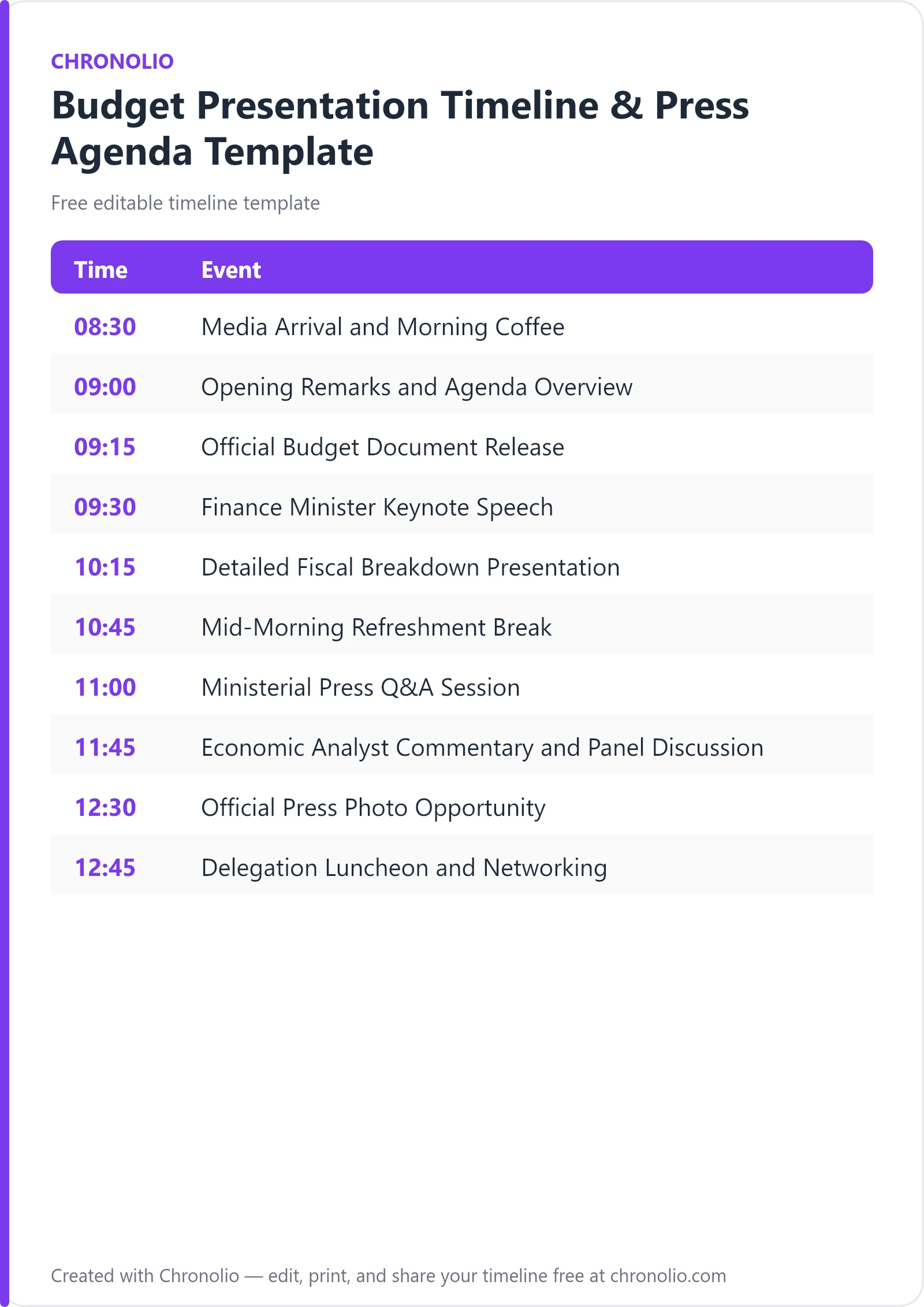
Here is the complete schedule this free template gives you — every time block, ready to edit, download, and share:
| Time | Event |
|---|---|
| 08:30 | Media Arrival and Morning Coffee |
| 09:00 | Opening Remarks and Agenda Overview |
| 09:15 | Official Budget Document Release |
| 09:30 | Finance Minister Keynote Speech |
| 10:15 | Detailed Fiscal Breakdown Presentation |
| 10:45 | Mid-Morning Refreshment Break |
| 11:00 | Ministerial Press Q&A Session |
| 11:45 | Economic Analyst Commentary and Panel Discussion |
| 12:30 | Official Press Photo Opportunity |
| 12:45 | Delegation Luncheon and Networking |
What Is a Budget Presentation Timeline?
A budget presentation timeline is a synchronized running order designed to execute high-stakes financial announcements, press briefings, and government fiscal releases. Having managed press operations in busy parliamentary press centers and executive auditoriums, I can tell you that a fiscal rollout is far more than a simple speech; it is a synchronized orchestra of strict embargoes, technical disclosures, broadcast deadlines, and political communication.
This schedule coordinates public officials, media representatives, treasury analysts, and technical AV teams so that every participant receives accurate information precisely when intended. Whether you are staging a national fiscal update, a municipal budget rollout, or a major corporate fiscal briefing, this template incorporates proven protocols from premier government press hubs and public finance best practices.
Customize Your Budget Presentation Timeline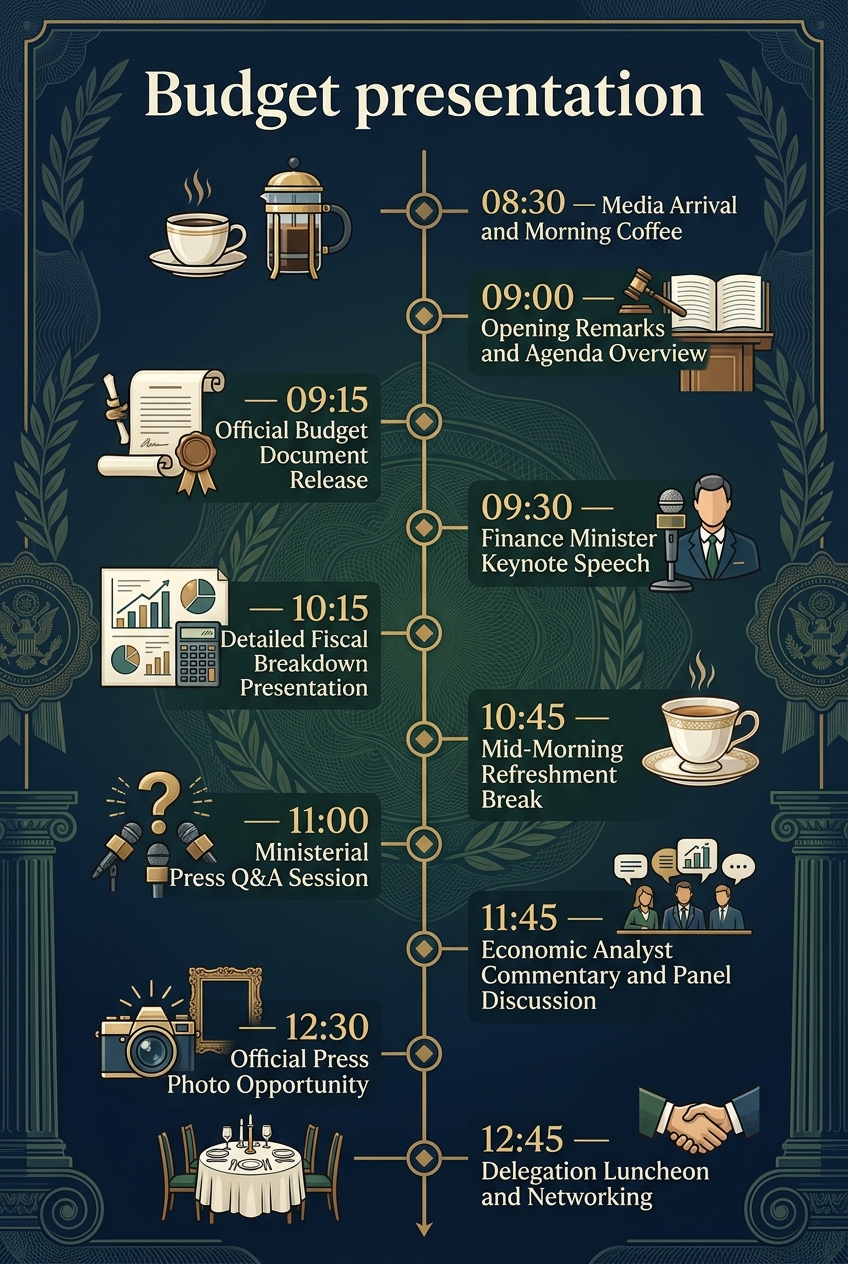
Why Budget Presentations Need a Timeline
In public finance and executive leadership, timing is everything. Releasing financial data five minutes early can disrupt market trading, while delaying a keynote address can cause live broadcast feeds to lose their satellite booking slots. A meticulously planned sequence protects your organization from compliance risks and operational chaos.
First, a clear schedule enforces security and embargo protocols. Journalists need physical access, press credentials, and technical access to documents, but government standards require strict synchronization so market-sensitive data is released in a controlled environment.
Second, a structured timeline keeps complex presentations focused. Financial reports contain vast amounts of data across tax policies, capital expenditures, and revenue forecasts. Dividing the morning into distinct presentation blocks ensures both the high-level policy vision and the granular treasury details get equal, uncluttered focus.
Finally, it respects press deadlines and commentary windows. Broadcast journalists and economic analysts must digest complex tables rapidly to produce immediate coverage. Providing predictable time slots for breaks, Q&A, and photo ops ensures your key messages dominate the evening news cycle. You can also download our quick-reference templates in both Budget Presentation DOCX format and Budget Presentation PDF format for quick distribution to your communications team.
What to Include in a Budget Presentation Timeline
Every formal fiscal announcement requires a sequence of mandatory events to satisfy journalistic, legal, and operational needs:
- Media Security and Credentialing: Dedicated check-in time for badge collection and embargo agreement signatures.
- Embargoed Document Distribution: Timed release of physical and digital press packages.
- Keynote Policy Address: The flagship speech delivered by the finance minister or executive lead outlining economic priorities.
- Technical Treasury Briefing: A deep dive into fiscal policies, tax reforms, and expenditure allocations presented by technical specialists.
- Structured Press Q&A: A moderated session allowing accredited media to probe revenue forecasts and assumptions.
- Independent Panel Discussion: Dedicated commentary space for external economists and policy analysts.
- Official Photo Opportunity: Staged photography with the official budget dispatch box or summary documents.
- Informal Networking Luncheon: Hospitality space for follow-up conversations between delegates, officials, and media.
Phase 1: Media Arrival and Formal Release
| Time | Event |
|---|---|
| 08:30 | Media Arrival and Morning Coffee |
| 09:00 | Opening Remarks and Agenda Overview |
| 09:15 | Official Budget Document Release |
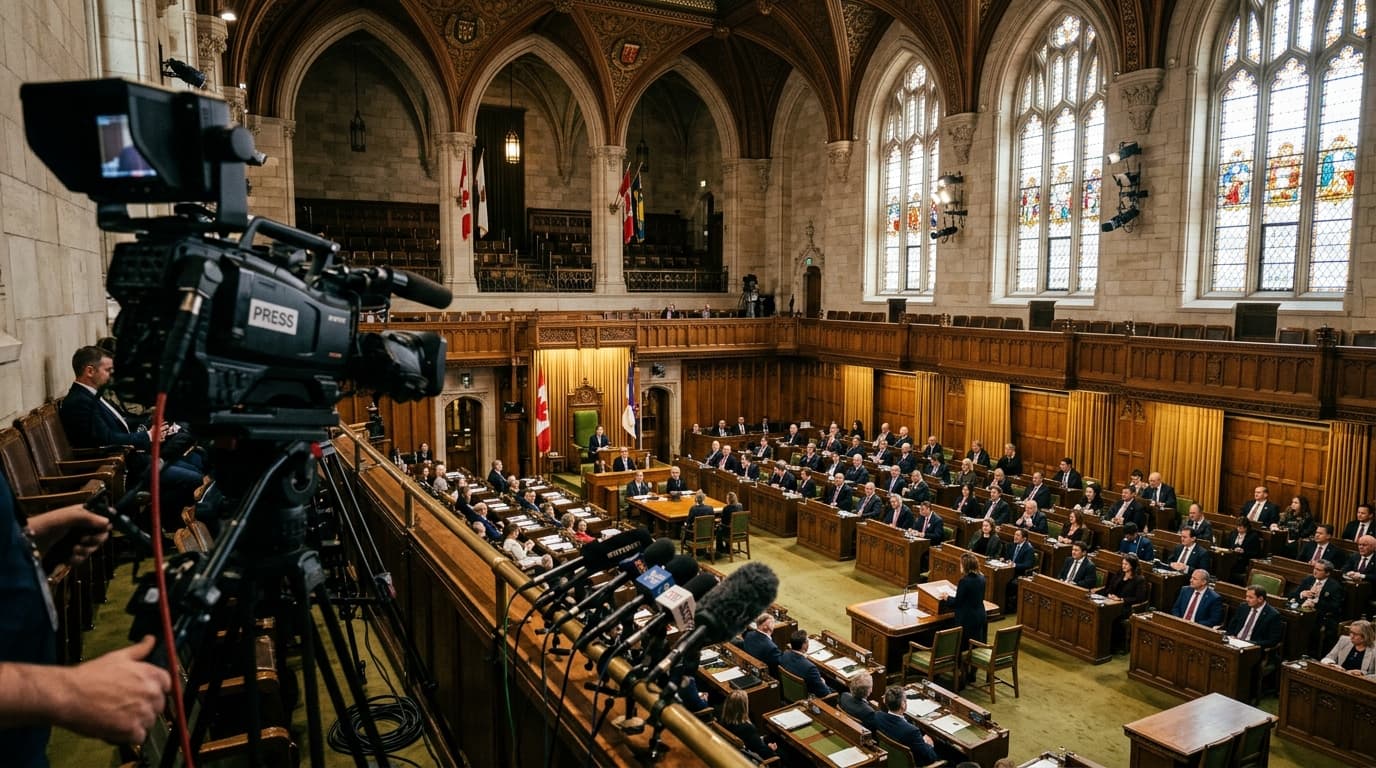
The day opens in the main foyer of the Parliament Press Center with strict access controls. Allowing 30 minutes for media registration prevents bottlenecks at security checkpoints and ensures every journalist signs non-disclosure agreements regarding embargo terms before entering the auditorium.
At 09:00, the press secretary takes the podium to set expectations. Establishing ground rules for questioning and reviewing broadcast embargo times upfront prevents misunderstandings later in the morning. When the official budget release occurs at 09:15, both digital flash drives and printed bound volumes are distributed simultaneously to eliminate head-starts among media outlets.
Just as structured timing maintains decorum here, disciplined scheduling is crucial across all major governance events; for instance, corporate secretaries rely on a dedicated board meeting timeline template to keep executive trustees aligned on quarterly governance.
08:30 Media Arrival & Registration 09:00 Opening Remarks & Agenda Overview 09:15 Official Budget Document Release
Phase 2: Keynote Address and Technical Fiscal Breakdown
| Time | Event |
|---|---|
| 09:30 | Finance Minister Keynote Speech |
| 10:15 | Detailed Fiscal Breakdown Presentation |
| 10:45 | Mid-Morning Refreshment Break |
The core of the presentation takes place on the main stage. The Minister of Finance's 45-minute address frames the economic narrative, focusing on GDP growth projections, strategic national priorities, and major tax changes. This presentation is timed specifically for live television coverage.
09:30 Finance Minister Keynote Speech 10:15 Detailed Fiscal Breakdown Presentation 10:45 Mid-Morning Refreshment Break
Immediately following the keynote, senior treasury officials take over for the technical briefing. Dedicating 30 minutes to slide-by-slide fiscal breakdowns satisfies the detailed demands of financial journalists and policy researchers without cluttering the minister's political speech.
A short 15-minute break at 10:45 is non-negotiable. Giving journalists time to review dense financial tables yields far more insightful questions during the upcoming press conference. While this level of technical precision is tailored to government finance, organizing distinct operational phases is equally beneficial for personal milestone events—such as managing ceremonial cues with an anniversary party schedule template or timing party arrivals using a birthday party timeline template.
Phase 3: Press Q&A, Commentary, and Networking
| Time | Event |
|---|---|
| 11:00 | Ministerial Press Q&A Session |
| 11:45 | Economic Analyst Commentary and Panel Discussion |
| 12:30 | Official Press Photo Opportunity |
| 12:45 | Delegation Luncheon and Networking |
The open Q&A session at 11:00 is often the most intense portion of the morning. A 45-minute ministerial Q&A block gives news outlets ample time to question public debt targets, sector funding cuts, and taxation updates.
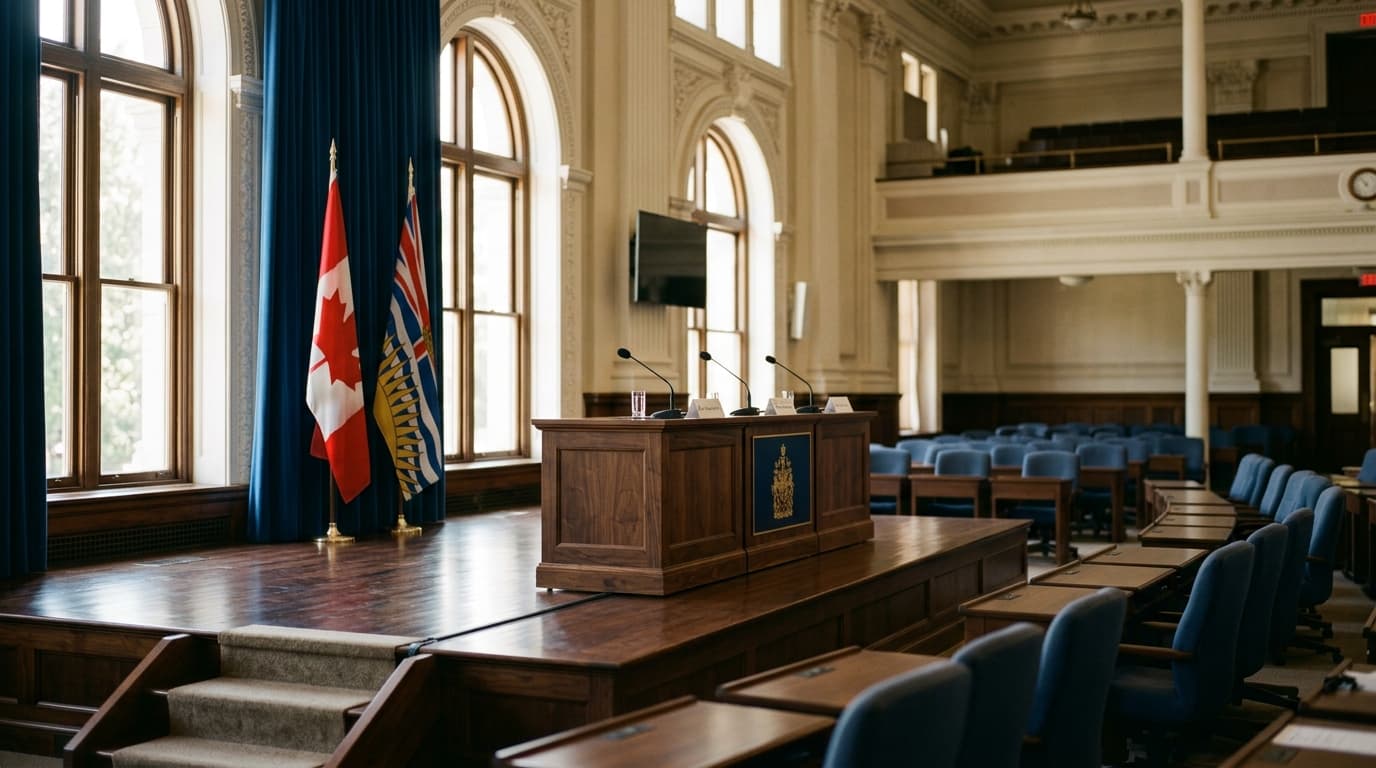
At 11:45, the event shifts focus to Briefing Room B for expert commentary. Hosting an independent analyst panel provides television networks with immediate balance and expert critique while technical crews prepare the main stage for official photography.
11:00 Ministerial Press Q&A Session 11:45 Economic Analyst Commentary & Panel 12:30 Official Press Photo Opportunity 12:45 Delegation Luncheon and Networking
The day concludes with the ceremonial photo opportunity at 12:30—featuring the traditional budget dispatch box—followed by a full catered lunch in the dining hall. Providing informal networking time allows cabinet members and treasury staff to clarify details off-camera, building constructive long-term press relationships.
Even in highly traditional environments—much like managing ceremonial steps in a formal catholic wedding timeline or a structured christian wedding timeline—having clear transitions ensures participants feel guided rather than rushed.
Budget Presentation Timeline vs Corporate Financial Report Agenda
It is easy to confuse a public budget presentation timeline with an internal corporate financial report agenda. However, they serve distinctly different audiences and operational goals:
| Feature | Budget Presentation Timeline | Corporate Financial Report Agenda |
|---|---|---|
| Primary Audience | Public media, economic analysts, citizens | Board of directors, shareholders, executive leadership |
| Document Status | Under strict legal/press embargo until release | Confidential internal disclosure or SEC filing sync |
| Focus Area | Macroeconomic policy, public spending, tax policy | Quarterly earnings, operational EBITDA, margin performance |
| Media Protocols | Formal press credentials, live broadcast feed, photo ops | Closed-door meeting or private earnings call audio stream |
| Post-Event Activity | Public commentary panel & media networking | Board executive session and formal vote record |
A corporate financial report focuses primarily on internal metrics and shareholder value. Conversely, a public budget presentation is a multi-stakeholder media event that demands strict adherence to public press standards, press release protocols, and broadcast production timing.
Who Should Use This Template?
This budget presentation running order is tailored for institutional leaders and communications professionals across various sectors, supporting designated organizational roles responsible for public disclosure:
- National and State Ministries of Finance: Standardizing official annual budget release days and parliamentary press conferences.
- Municipal Councils and Local Authorities: Presenting annual city budgets, infrastructure bonds, and property tax adjustments to local press.
- Public Sector Agencies and School Districts: Hosting public hearings on annual educational fund allocations and capital grants.
- Multilateral Financial Institutions: Staging regional economic outlook updates and development bank funding disclosures (referencing guidelines from international bodies like the International Monetary Fund and OECD Public Governance).
- Investor Relations Teams at Public Companies: Adapting public press infrastructure for major annual investor day announcements.
How to Use This Template
- Duplicate or Download the Template: Access the live interactive board on Chronolio, or download your choice of Budget Presentation DOCX or Budget Presentation PDF.
- Adjust for Local Embargo Laws: Align document distribution timing with your jurisdiction's specific statutory press lockup rules.
- Assign Stage and Room Locations: Clearly mark individual venues—such as the main auditorium, media briefing rooms, and foyer—so attendees move seamlessly.
- Brief Your Speakers and Moderators: Ensure the press secretary, minister, and treasury officials know their exact slide timing and stage entrance cues.
- Distribute to Media Relations Teams: Share the final schedule with broadcast engineers, credentialed journalists, and security staff 24 hours prior.
Tips for a Successful Budget Presentation
- Test All Audio-Visual Equipment Early: Run complete microphone checks and slide deck rehearsals in the main auditorium by 07:30 at the latest.
- Enforce Strict Timekeeping on Speeches: Keep the keynote address tightly scripted so the technical breakdown and Q&A start exactly as advertised.
- Set Up High-Speed Dedicated Wi-Fi: Ensure journalists have dedicated, high-bandwidth network access to upload heavy PDF documents and video files without lag.
- Provide Print and Digital Press Packs: While digital files are preferred, having bound summary books available prevents tech delays during early reading windows.
- Station Staff at Room Transitions: Position floor managers in corridors to guide press delegations efficiently between the main stage, commentary rooms, and dining hall.
- Designate a Clear Mic Queue for Q&A: Use wireless roving microphones with assigned moderators to avoid overlapping questions during live broadcast feeds.
Common Mistakes to Avoid
- Overrunning the Keynote Speech: Allowing the minister to speak past the 45-minute mark compresses the technical briefing and frustrates press crews on strict satellite schedules.
- Shortchanging the Technical Breakdown: Cutting treasury staff slides short leaves financial journalists without the crucial data needed for accurate reporting.
- Releasing Documents Without Clear Embargo Marking: Failing to clearly print watermarks and release timestamps on press packages creates legal and market risks.
- Skipping the Mid-Morning Break: Forcing journalists directly from a 75-minute speech block into live Q&A results in rushed, unorganized questions.
- Neglecting External Panel Logistics: Forgetting to equip Briefing Room B with proper AV lines deprives broadcast networks of clean commentary audio.
- Underestimating Security Screening Time: Failing to staff registration desks adequately causes long lines outside, delaying the opening remarks.
In Summary
- What It Is: A comprehensive 5-hour running order for managing government and public fiscal releases.
- Key Highlights: Includes embargoed document distribution, a keynote speech, technical briefings, press Q&A, and analyst commentary.
- Target Audience: Designed for finance ministries, municipal councils, public agencies, and corporate communications directors.
- Core Benefit: Eliminates timing errors, protects document security, and ensures smooth live media broadcasts.
- File Availability: Downloadable as customizable PDF or Word files, or fully editable online.
Executing an impactful financial disclosure requires balancing political messaging, technical data, and press coordination. By using this proven budget presentation schedule, your team can host an authoritative, highly professional event that keeps media coverage focused on your core fiscal priorities.
Customize Your Budget Presentation Timeline