





This Template at a Glance
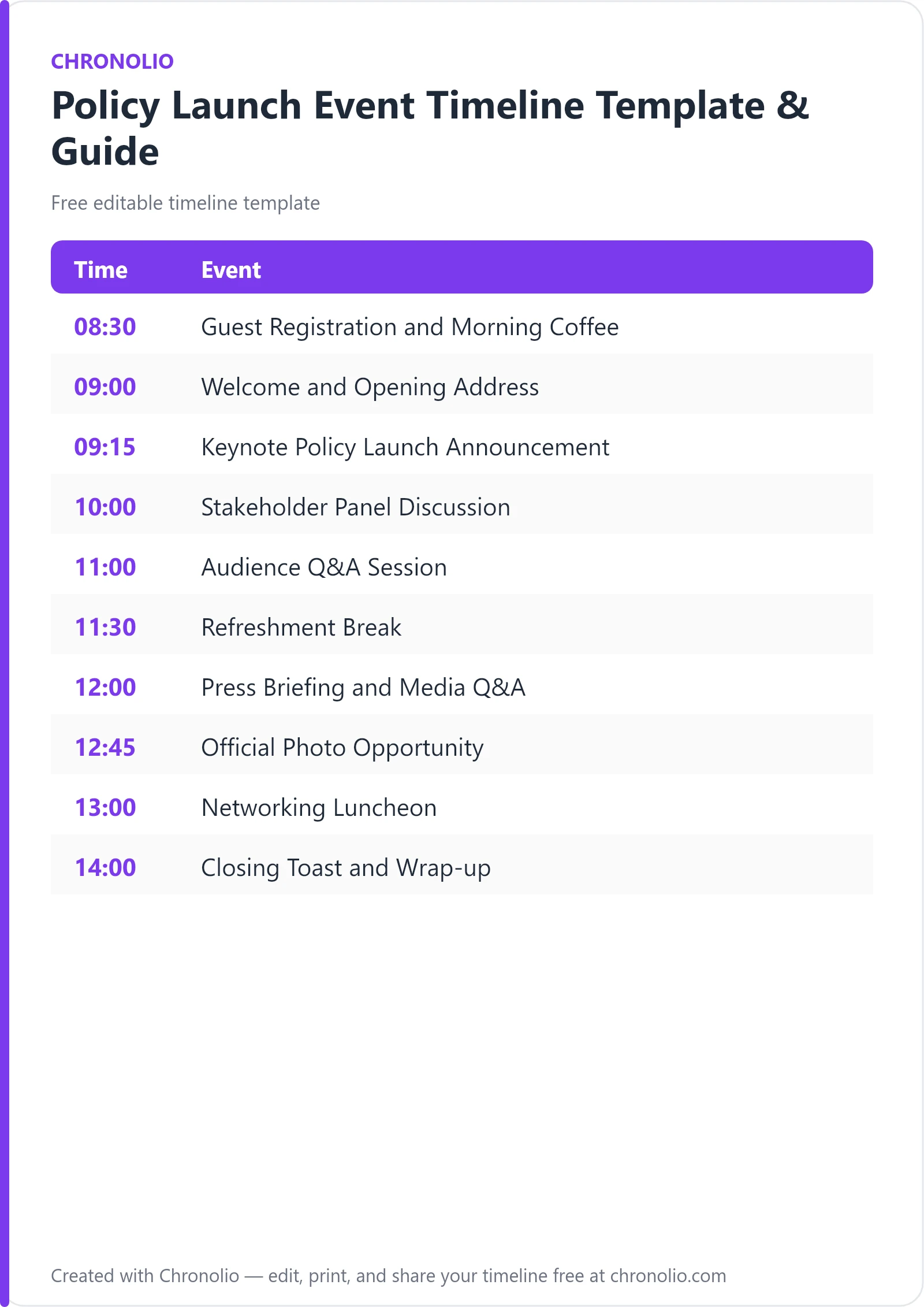
Here is the complete schedule this free template gives you — every time block, ready to edit, download, and share:
| Time | Event |
|---|---|
| 08:30 | Guest Registration and Morning Coffee |
| 09:00 | Welcome and Opening Address |
| 09:15 | Keynote Policy Launch Announcement |
| 10:00 | Stakeholder Panel Discussion |
| 11:00 | Audience Q&A Session |
| 11:30 | Refreshment Break |
| 12:00 | Press Briefing and Media Q&A |
| 12:45 | Official Photo Opportunity |
| 13:00 | Networking Luncheon |
| 14:00 | Closing Toast and Wrap-up |
What Is a Policy Launch Event Timeline?
A policy launch event timeline is the operational master schedule that governs every presentation, panel, media interaction, and catering milestone during an official policy unveiling. Unveiling a strategic initiative or legislative proposal requires balancing multiple high-profile voices—including public officials, industry leaders, accredited journalists, and community advocates—within a tight operational window. Having managed venues for government agencies and international advocacy groups, I have learned that a policy release fails or succeeds based on its temporal structure.
This guide outlines a battle-tested running order refined over years of hosting major public policy announcements. Whether you are launching a public health initiative, an economic policy framework, or a corporate sustainability strategy, this template reflects real-world policy launch structures and best practices designed to maximize media pickup, stakeholder buy-in, and audience engagement.
Customize Your Policy Launch Event Timeline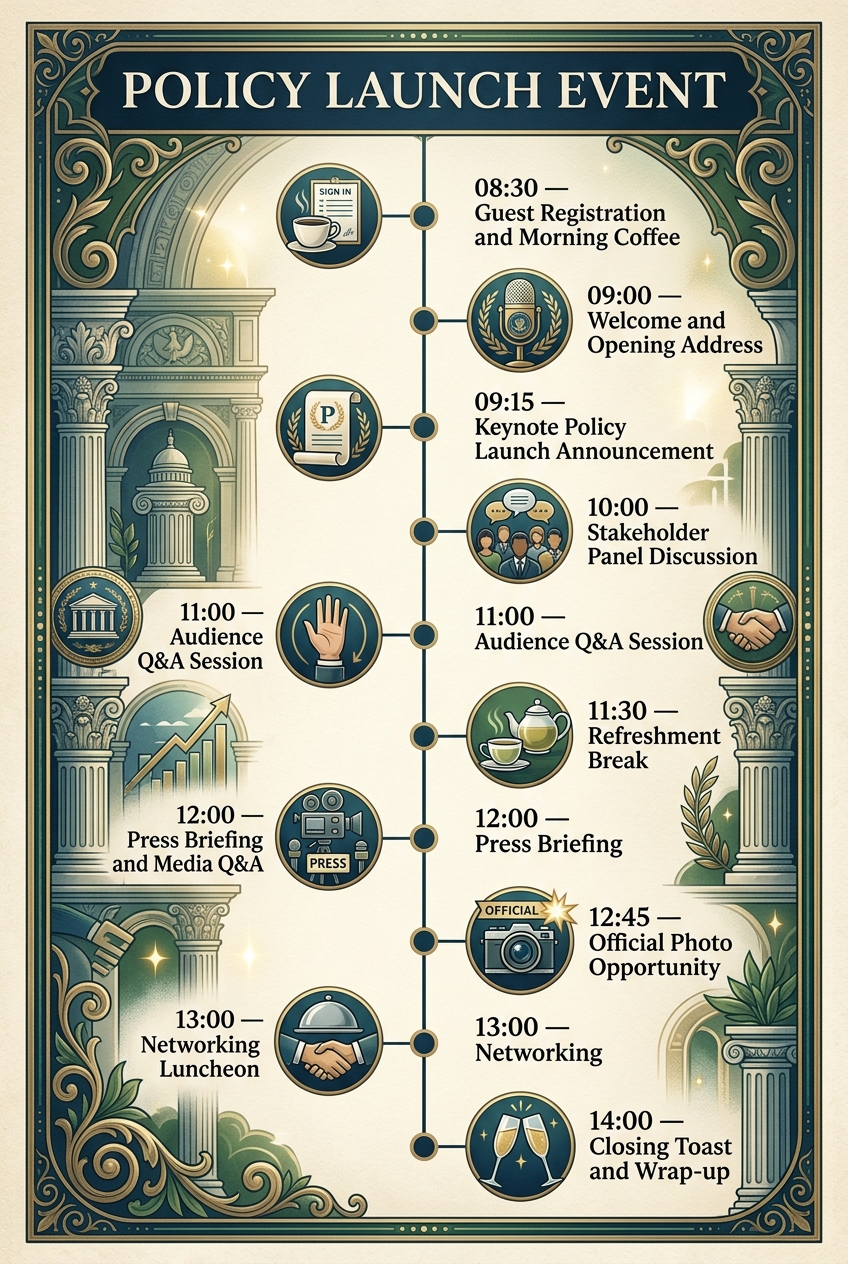
Why Policy Launch Events Need a Timeline
High-stakes announcements operate under immense pressure from the media and executive leaders. Strict timing prevents diplomatic delays when managing high-profile dignitaries, cabinet ministers, or chief executives who operate on rigid, tightly packed schedules. When key figures run late, the entire press cadence suffers, potentially causing journalists to miss broadcast deadlines or print cutoffs.
Furthermore, a synchronized operational agenda creates seamless coordination across multiple distinct physical environments within a venue. Moving hundreds of guests from a keynote auditorium into dedicated press suites and banquet halls requires clear transition windows that keep crowds moving efficiently. Without a precise run of show, technical teams struggle to coordinate microphone handoffs, lighting shifts, and presentation slides.
Finally, a well-planned schedule ensures that every stakeholder group receives tailored engagement opportunities. Industry experts get dedicated discussion time during panels, journalists receive exclusive access during press briefings, and community members participate during moderated Q&A blocks. If you regularly handle structured executive programs, you can also explore our board meeting timeline template to streamline governance schedules.
What to Include in a Policy Launch Event Timeline
A successful public unveiling balances broadcast presentations with interactive dialogue and press accessibility. When drafting your schedule, ensure you incorporate these essential phases:
- Registration and Welcome Setup: Morning check-in, media credentialing, conference packet distribution, and informal morning coffee.
- Keynote Announcement: The official unveiling of the policy framework, white paper, or strategic legislation by key leadership.
- Stakeholder Discussion: A multi-perspective panel featuring industry leaders, policy experts, and community representatives.
- Interactive Q&A Session: Dedicated audience engagement allowing attendees to submit direct queries to policy authors.
- Press Briefing and Media Q&A: A specialized room for accredited journalists to ask deep-dive questions and record soundbites.
- Official Photo Call: Staged photo opportunities with key dignitaries, authors, and panel members for news outlets.
- Networking Luncheon: Strategic catering breaks designed for policy leads, press, and attendees to form partnerships.
Morning Registration & Opening Keynote
| Time | Event |
|---|---|
| 08:30 | Guest Registration and Morning Coffee |
| 09:00 | Welcome and Opening Address |
| 09:15 | Keynote Policy Launch Announcement |
The early morning phase establishes the event's professional tone and ensures all media credentials and attendee badges are verified prior to the main presentation. Hosting guest registration and morning coffee in the Grand Foyer gives attendees ample time to check in at the reception desk, collect their printed policy packets, and settle into the venue. In my experience running large-scale public events, granting a full 30 minutes for check-in eliminates bottlenecking at security checkpoints and allows broadcast camera crews to set up their tripods comfortably in the main auditorium.
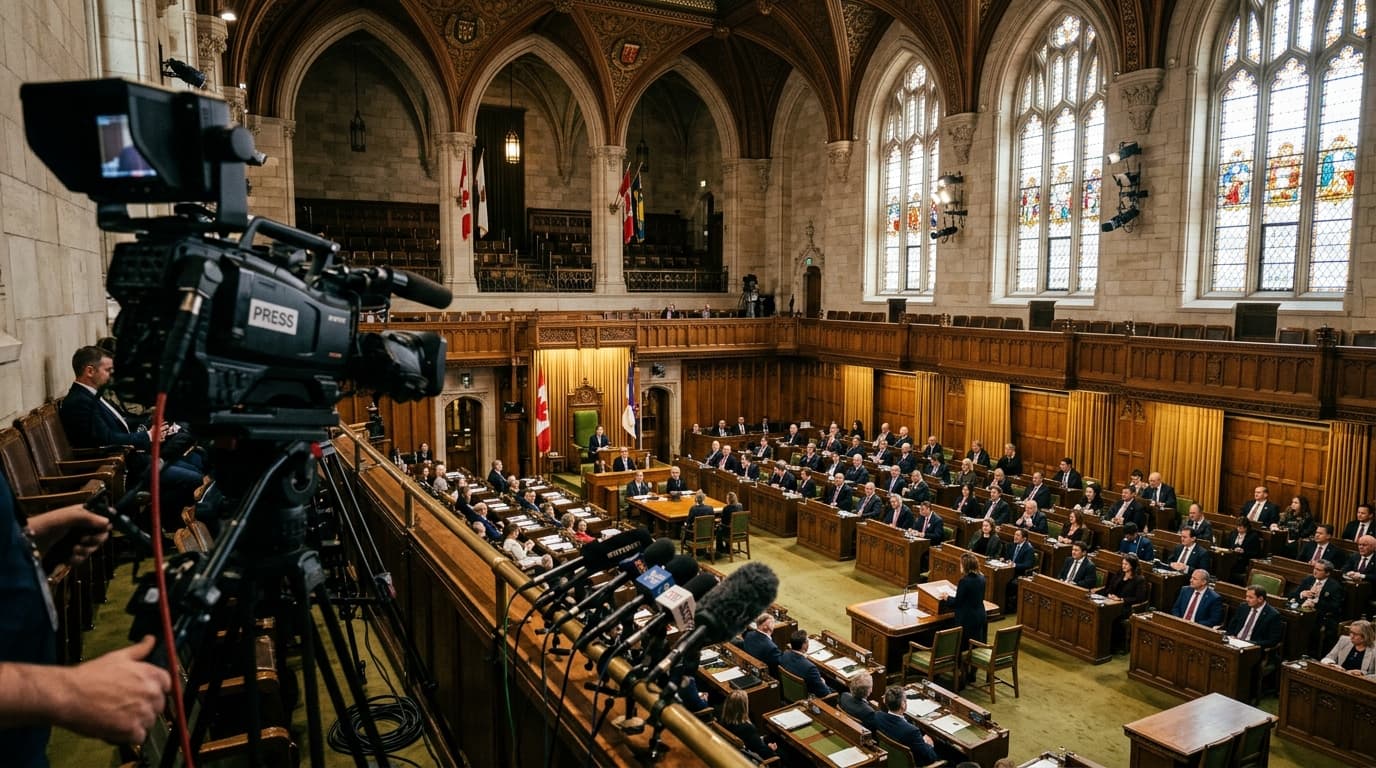
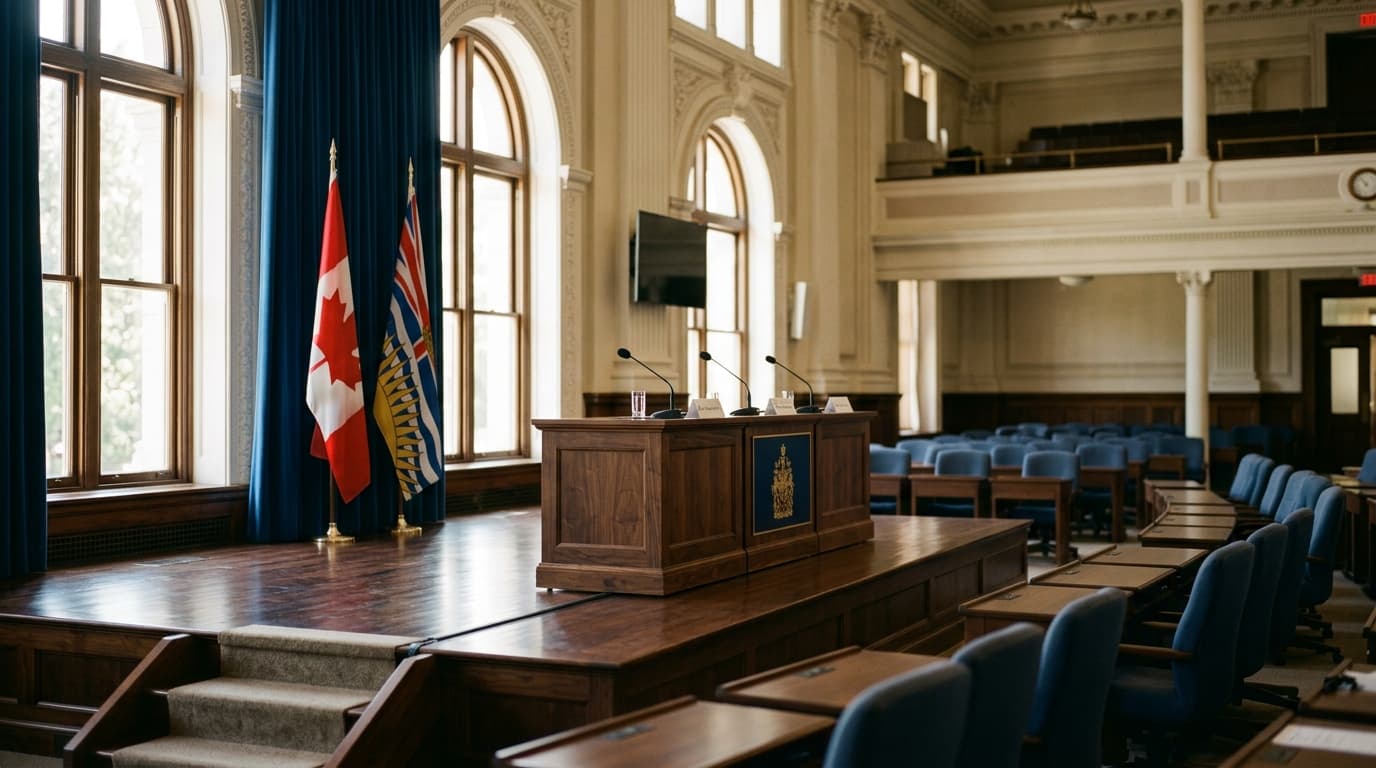
At 09:00, the Master of Ceremonies opens proceedings in the Main Auditorium, outlining safety protocols, setting the day's agenda, and introducing the primary dignitaries. This leads directly into the core milestone at 09:15: the keynote policy launch announcement delivered by key officials. Placing the headline presentation early in the morning guarantees peak audience attention, satisfies early broadcast news cycles, and sets the stage for the technical panels that follow.
Stakeholder Engagement & Public Q&A
| Time | Event |
|---|---|
| 10:00 | Stakeholder Panel Discussion |
| 11:00 | Audience Q&A Session |
| 11:30 | Refreshment Break |
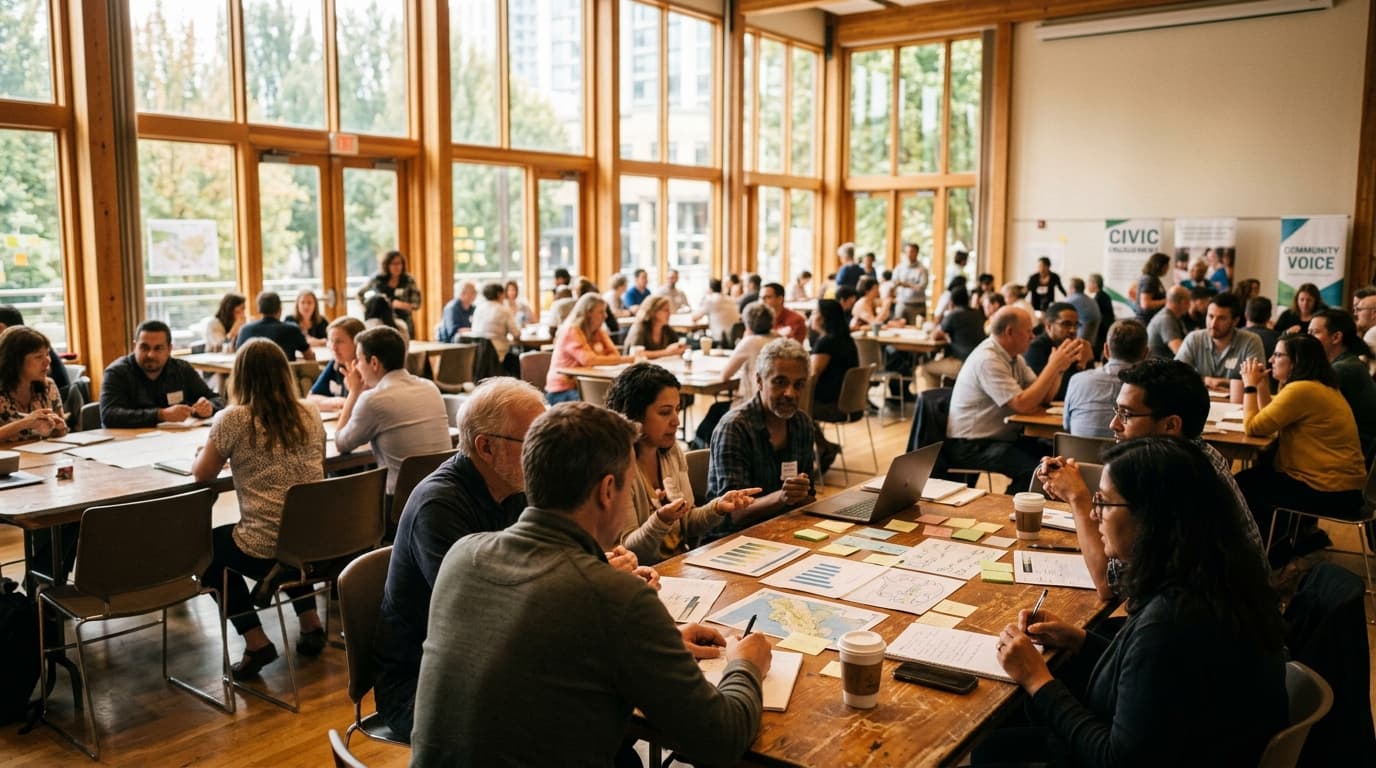
Once the core policy framework has been presented, the schedule transitions from a single keynote presentation to multi-perspective evaluation. The stakeholder panel discussion in the Main Auditorium brings together industry experts, community leaders, and research specialists to analyze the policy's real-world applications, strategic advantages, and execution timeline. A well-curated panel demonstrates transparency and builds immediate sector trust around the initiative.
Following the panel, the event moves into a 30-minute interactive audience Q&A session. Moderating public questions effectively maintains momentum while ensuring policy authors address crucial implementation details. At 11:30, guests exit the main hall for a structured refreshment break in the Grand Foyer. This short buffer allows attendees to digest complex information, network casually, and clear the main stage while press personnel transition to dedicated media rooms. Maintaining a disciplined coffee break prevents attendees from wandering off before the secondary sessions conclude.
Press Briefing & Media Relations
| Time | Event |
|---|---|
| 12:00 | Press Briefing and Media Q&A |
| 12:45 | Official Photo Opportunity |
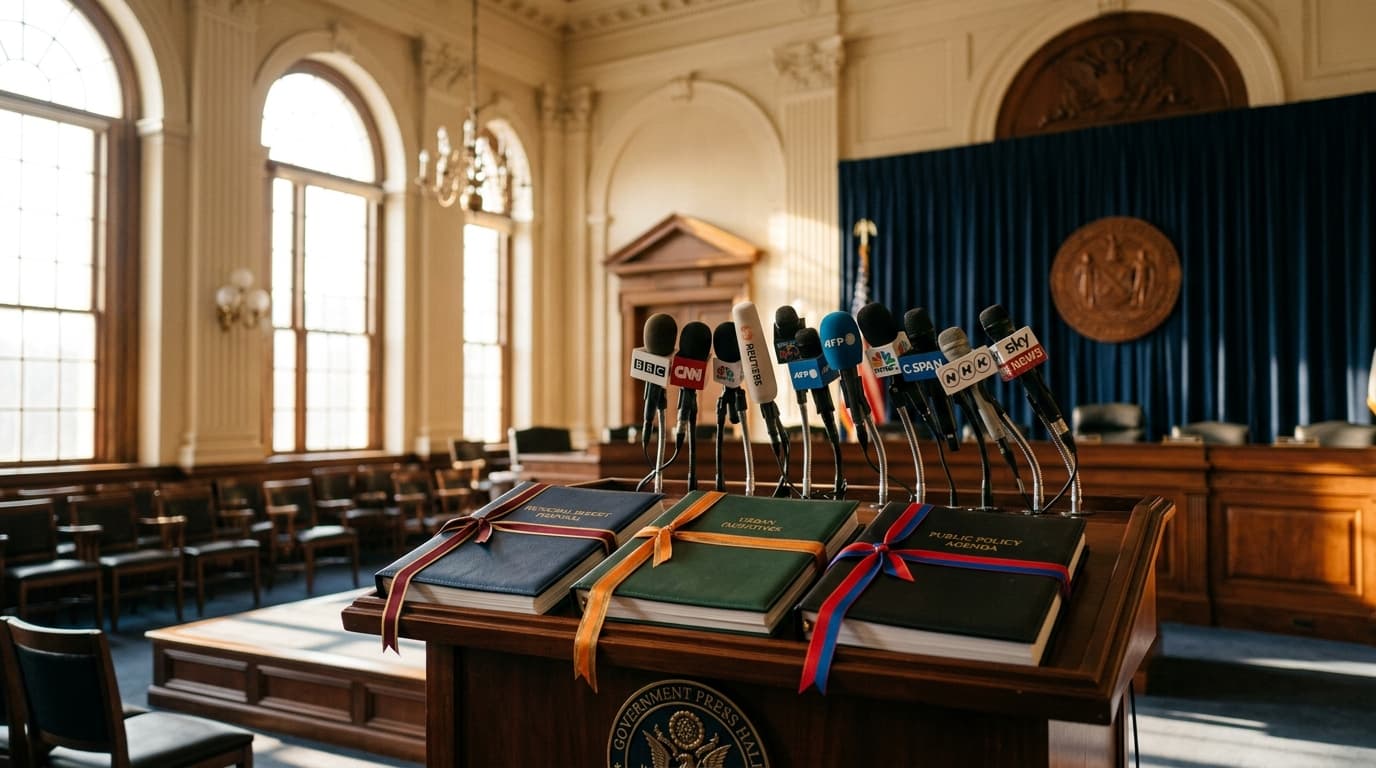
Media management requires a dedicated physical space and strict time controls to keep journalists on schedule. At 12:00, primary spokespersons and policy architects move to Press Conference Room B for the press briefing and specialized media Q&A session. While general attendees continue networking, accredited journalists use this time to ask detailed technical questions, request targeted soundbites, and clarify embargoed information directly with subject-matter experts.
Immediately following the press Q&A at 12:45, the room transitions into the official photo opportunity. Staging dignitaries and stakeholders for official media photographs ensures news outlets and corporate communications teams receive high-resolution imagery for immediate publication. Keeping press photography tight and organized prevents key officials from getting trapped in informal photo lines, keeping the overall venue program running smoothly toward lunch.
Networking Luncheon & Closing Toast
| Time | Event |
|---|---|
| 13:00 | Networking Luncheon |
| 14:00 | Closing Toast and Wrap-up |
The final section of the day turns formal presentations into long-term strategic relationships. At 13:00, guests, press members, and organizational hosts gather in the Banquet Hall for a catered networking luncheon. A seated or stand-up catered lunch encourages collaborative discussions among policy creators, corporate sponsors, and non-profit advocates who need to work together during the policy's rollout phase.
At 14:00, event organizers host a brief closing toast and wrap-up in the Banquet Hall. Expressing formal gratitude to attendees, technical crews, and speakers brings the formal program to a satisfying conclusion while leaving attendees energized. If your organization frequently runs social or celebratory gatherings following major policy wins, you can adapt our anniversary party schedule template or even a milestone birthday party timeline template for private political celebrations.
Policy Launch Event Timeline vs Run of Show
While event organizers often use operational terms interchangeably, a policy launch event timeline serves a distinct purpose compared to a detailed stage run of show or press kit schedule.
| Document Type | Primary Audience | Key Contents | Primary Objective |
|---|---|---|---|
| Policy Launch Event Timeline | Attendees, Press, Speakers, VIPs | Master schedule, panel times, room shifts, press availability | Aligning all participant groups on the overall flow of the day |
| Stage Run of Show | AV Crew, Stage Managers, MC | Technical cues, mic assignments, lighting shifts, slide deck timings | Flawless technical execution of back-of-house logistics |
| Media Advisory / Press Kit | Accredited Journalists | Press release, speaker bios, photo op windows, quote embargoes | Securing targeted press coverage and media publications |
A policy launch event timeline provides the broad operational roadmap that keeps guests, speakers, and media aligned across multiple room transitions. Conversely, technical run of show documents focus strictly on audio-visual cues, micro-second timing, and backstage stagehand shifts.
Who Should Use This Template?
Event coordinators can customize this schedule using Chronolio’s interactive features, which support various specialized roles involved in orchestrating complex public announcements. This template is ideally suited for:
- Government Ministries & Agencies: Launching new civic programs, municipal frameworks, or legislative updates.
- Think Tanks & Policy Institutes: Unveiling academic research white papers, economic models, and global indices.
- Corporate Affairs & PR Agencies: Managing high-profile corporate governance updates, ESG policies, and regulatory responses.
- Non-Governmental Organizations (NGOs): Announcing advocacy campaigns, humanitarian initiatives, and community grants.
- Trade Associations & Coalitions: Publishing industry standards, market guidelines, and safety directives.
How to Use This Template
- Download or Duplicate: Select your preferred format using our digital template editor or download our offline Word document template or printable PDF schedule version.
- Establish Key Milestones: Set your primary keynote announcement time based on media deadlines and VIP availability, then work backward for registration.
- Assign Venue Locations: Clearly define specific rooms (e.g., Main Auditorium vs. Press Conference Room B) to eliminate crowd confusion.
- Distribute to Stakeholders: Share customized versions with stage managers, speakers, panel moderators, and PR leads at least two weeks before launch day.
Tips for a Successful Policy Launch Event
- Brief Panelists in Advance: Conduct a 15-minute briefing session prior to event day so moderators and panelists agree on key talking points.
- Establish Clear Media Embargoes: Distribute digital press kits ahead of time under embargo so journalists can write articles before the keynote begins, as recommended by major public relations associations like the Public Relations Society of America (PRSA).
- Reserve Dedicated Press Seating: Block off the front rows of the Main Auditorium for accredited media and camera operators to ensure clear sightlines.
- Test All AV and Microphones: Conduct lavalier mic checks and slide deck rehearsals at least 60 minutes before doors open at 08:30.
- Implement Digital Audience Q&A: Use interactive slide apps or QR codes during the audience Q&A session to screen questions efficiently and keep topics focused on the policy framework.
- Provide Quiet Press Workstations: Ensure the press briefing area has high-speed Wi-Fi and power outlets so journalists can file stories immediately following photo ops.
Common Mistakes to Avoid
- Overcrowding the Panel Discussion: Hosting more than four or five panelists limits individual talking time and leads to rushed, superficial debates.
- Neglecting Room Transition Buffers: Failing to account for the physical movement of guests between the auditorium, foyer, and press rooms creates structural delays.
- Skipping the Stage Rehearsal: Allowing VIP speakers to take the stage without testing lighting or telemetry leads to awkward pauses and technical glitches.
- Failing to Enforce Q&A Limits: Allowing audience members to deliver long statements rather than asking concise questions eats away at media briefing time.
- Shortchanging Press Access: Restricting media interactions to broad public sessions discourages major publications from attending in person.
In Summary
- Strategic Execution: A policy launch event timeline coordinates keynotes, panels, and media briefings into a cohesive half-day program.
- Media-Friendly Flow: Planners schedule press briefings and photo opportunities immediately after main announcements to accommodate media deadlines.
- Stakeholder Inclusion: Dedicated panel discussions and audience Q&A sessions build public trust and sector buy-in.
- Clear Spatial Planning: Moving guests efficiently between auditoriums, foyers, press rooms, and banquet halls prevents venue bottlenecking.
- Versatile Adaptability: Built for government agencies, PR firms, think tanks, and non-profit organizations managing critical public statements.
Organizing a seamless policy release requires absolute control over time, messaging, and crowd movement. By using this proven policy launch event timeline, corporate affairs teams, government officials, and PR managers can deliver high-impact announcements that engage stakeholders and secure maximum media coverage.
Customize Your Policy Launch Event Timeline