





This Template at a Glance
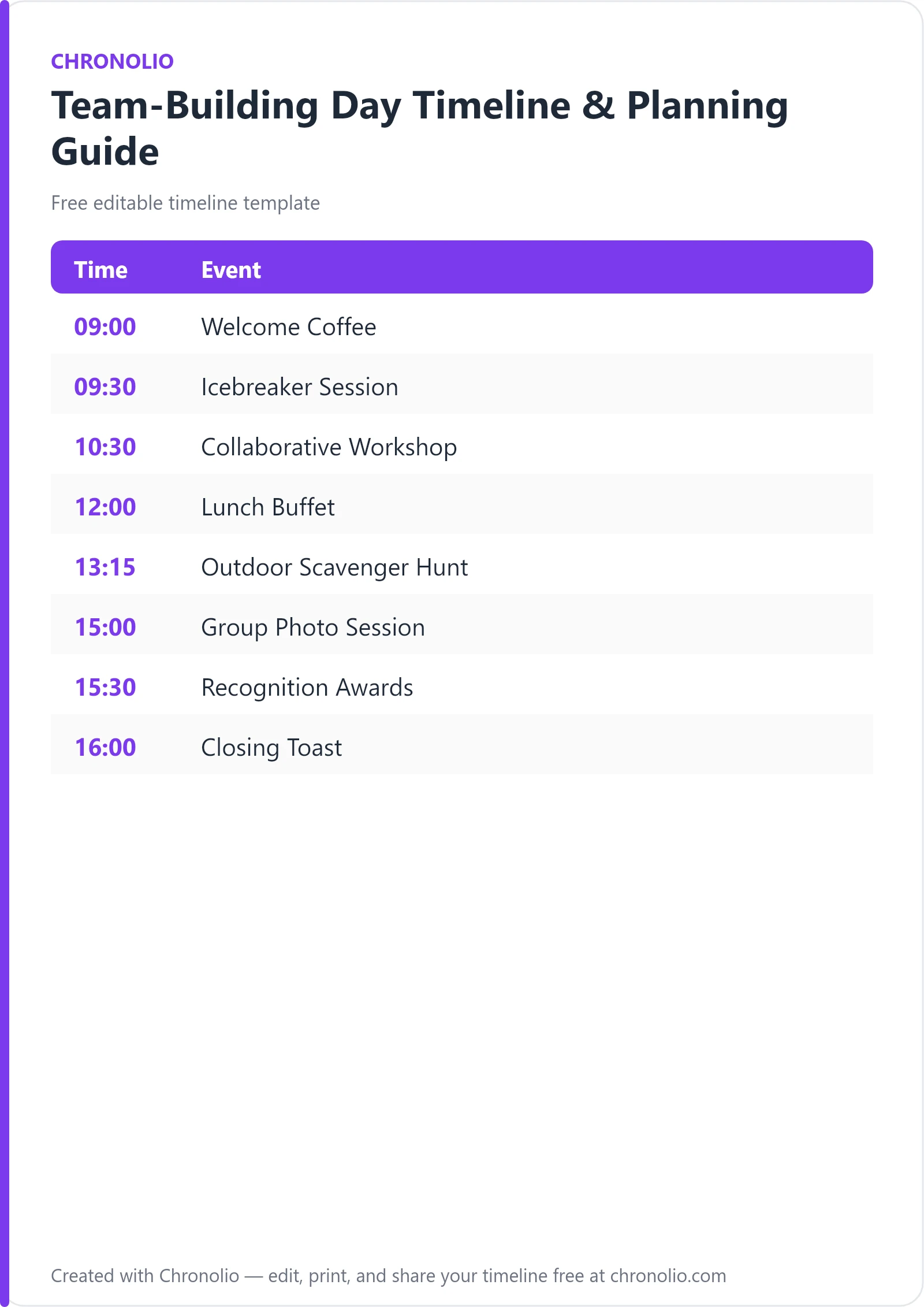
Here is the complete schedule this free template gives you — every time block, ready to edit, download, and share:
| Time | Event |
|---|---|
| 09:00 | Welcome Coffee |
| 09:30 | Icebreaker Session |
| 10:30 | Collaborative Workshop |
| 12:00 | Lunch Buffet |
| 13:15 | Outdoor Scavenger Hunt |
| 15:00 | Group Photo Session |
| 15:30 | Recognition Awards |
| 16:00 | Closing Toast |
What Is a Team-Building Day Timeline?
A team-building day timeline is an operational schedule that organizes every segment of a corporate retreat or employee offsite into a seamless, purpose-driven flow. Beyond serving as a simple agenda, it maps out venue shifts, catering drop-offs, activity facilitation, and rest periods so that your staff remains engaged without feeling overwhelmed.
As a venue operator who has hosted hundreds of corporate gatherings, I can tell you that successful offsites rarely happen by accident. Energy levels naturally shift throughout the day, and a professionally planned event schedule respects those human dynamics. This template reflects real-world team-building structures and common industry best practices, giving facilitators and HR managers a proven framework that balances productivity with genuine social connection.
Use This Team-Building Day Timeline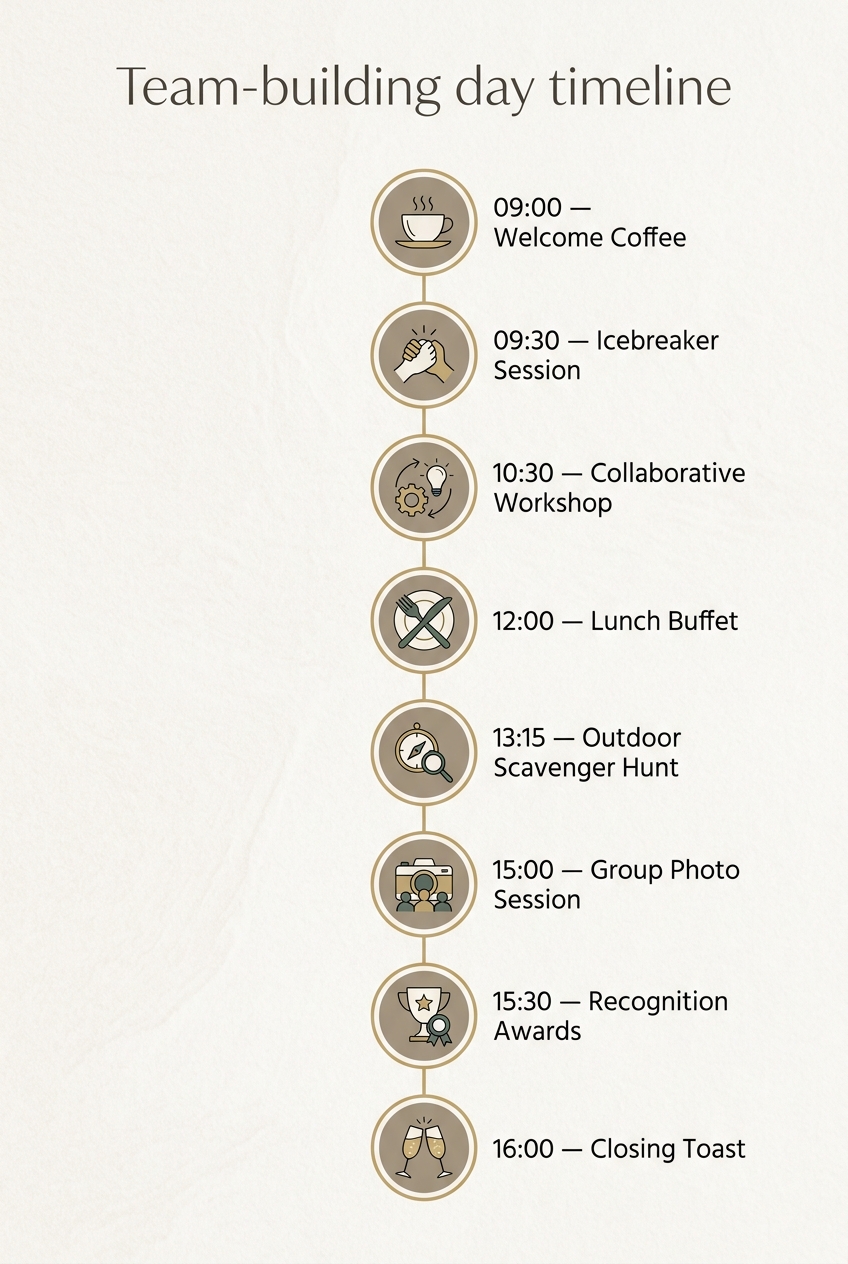
Why Team-Building Days Need a Timeline
Running an offsite without a clear schedule frequently leads to logistical bottlenecks, disengaged employees, and missed program goals. When people do not know where they are supposed to be or what comes next, cross-departmental networking turns into confused idling, and facilitators end up cutting vital debrief sessions short.
A detailed timeline provides clarity for both attendees and vendor partners. Your catering team needs exact times for hot food service, activity instructors need buffer windows to reset equipment, and participants need predictable breaks to check urgent messages. According to insights on workplace dynamics published by Harvard Business Review, well-designed shared experiences significantly boost team trust—provided the environment feels structured and respectful of participants' time.
Ultimately, a central schedule maintains momentum. By alternating between structured intellectual exercises, casual social moments, and active outdoor challenges, a tactical event running order preserves participant energy from morning registration to the final closing toast.
What to Include in a Team-Building Day Timeline
To create a balanced experience, your schedule should feature a mix of structured work, casual bonding, physical movement, and formal appreciation:
- Arrival & Welcome Coffee: A low-pressure morning window for registration, casual mingling, and caffeine refuel.
- Icebreaker Session: Interactive, low-stakes games to warm up the room and connect individuals across teams.
- Collaborative Workshop: A brain-teasing indoor session focused on group problem-solving and communication.
- Catered Meal Breaks: A substantial lunch buffet to recharge physical energy and promote informal conversation.
- Outdoor Active Challenge: A dynamic change of scenery designed to foster teamwork through physical exploration.
- Group Commemoration: A dedicated photo opportunity to capture company culture in action.
- Recognition & Wrap-Up: A celebratory conclusion featuring management awards and a official toast.
Morning Arrival & Icebreaker Phase
Morning Arrival & Icebreaker Phase
| Time | Event |
|---|---|
| 09:00 | Welcome Coffee |
| 09:30 | Icebreaker Session |
The morning phase sets the tone for the entire day. Opening the doors at 09:00 in the Main Lobby gives employees a comfortable 30-minute arrival window to check in, grab hot beverages, and catch up with colleagues outside of daily Slack channels. Expecting a hard start right at 09:00 creates unnecessary stress and causes late arrivals to disrupt the first session.
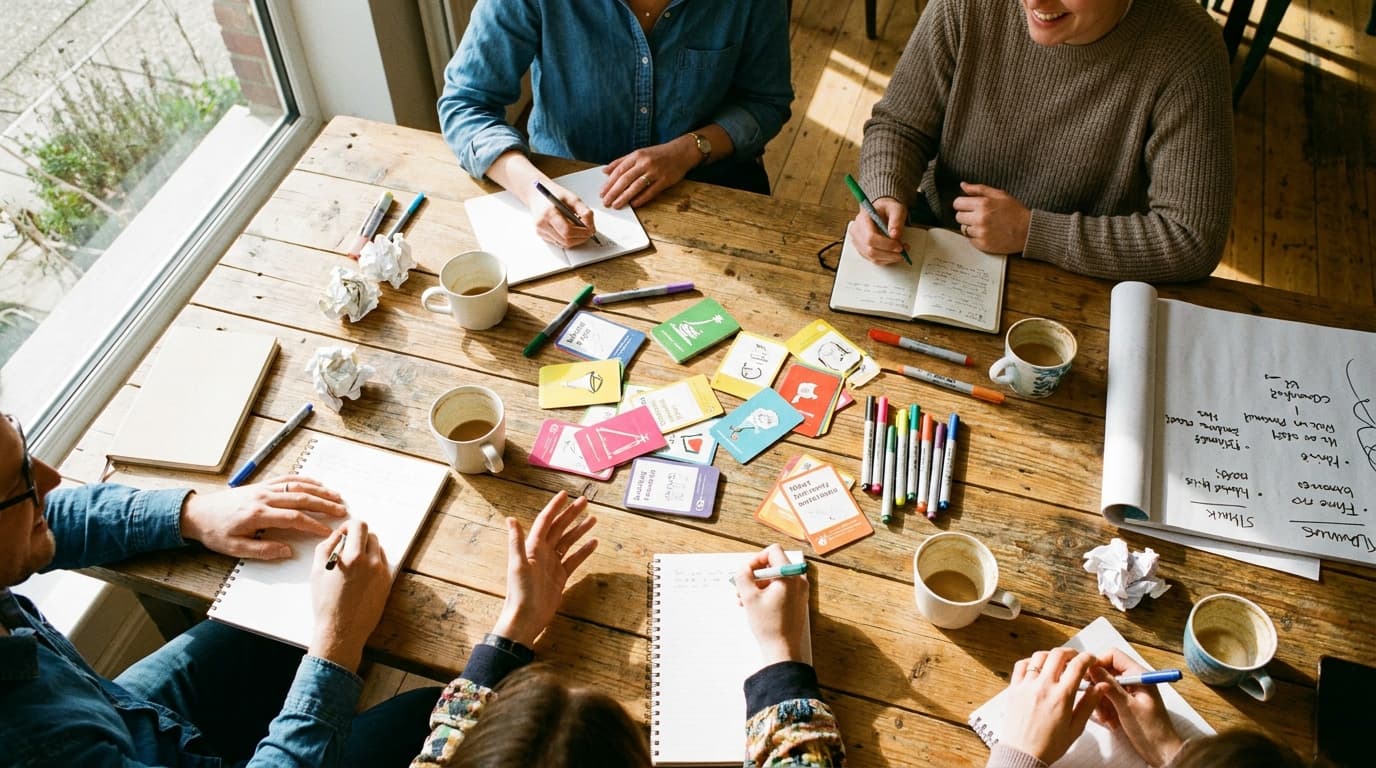
At 09:30, move everyone into Conference Hall A for the formal icebreaker session. The primary objective here is psychological safety and name recognition across departments. Keeping these activities light and fun breaks down hierarchy, ensuring that junior staff and senior executives engage on equal footing before diving into complex team tasks later in the morning.
Strategic Workshop & Lunch Phase
Strategic Workshop & Lunch Phase
| Time | Event |
|---|---|
| 10:30 | Collaborative Workshop |
| 12:00 | Lunch Buffet |
After a short 15-minute bio break, transition the group to the Workshop Suite at 10:30 for the day's core intellectual challenge. Morning hours offer peak cognitive performance, making this the ideal time for complex puzzle-solving and strategic brain teasers. Small sub-teams must communicate clearly, assign roles based on individual strengths, and manage limited time to achieve their workshop objectives.
By 12:00, participants will be ready to step away from analytical thinking. Moving out to the Dining Patio for a catered lunch buffet provides a complete mental reset. Offering healthy, dietary-inclusive options prevents afternoon sluggishness. Sitting outdoors in a open air environment encourages organic, non-work conversations that deepen personal relationships. If your organization is planning this event as part of a larger corporate milestone, you might also pair it with a Corporate Year-End Function Timeline (Free Template) to celebrate annual wins.
Afternoon Outdoor Exploration Phase
Afternoon Outdoor Exploration Phase
| Time | Event |
|---|---|
| 13:15 | Outdoor Scavenger Hunt |
The post-lunch energy slump is a well-known hurdle in event planning. To counter this, schedule your most active, outdoor event immediately following lunch. At 13:15, gather teams on the Central Park Grounds for an outdoor scavenger hunt.
This 90-minute exercise shifts the dynamic entirely from indoor strategy to physical movement and environmental exploration. Teams navigate park trails, solve location-based clues, and complete fun photo challenges. The sprawling venue encourages high communication, rapid decision-making under time pressure, and plenty of shared laughter.
Capture, Recognition & Toast Phase
Capture, Recognition & Toast Phase
| Time | Event |
|---|---|
| 15:00 | Group Photo Session |
| 15:30 | Recognition Awards |
| 16:00 | Closing Toast |
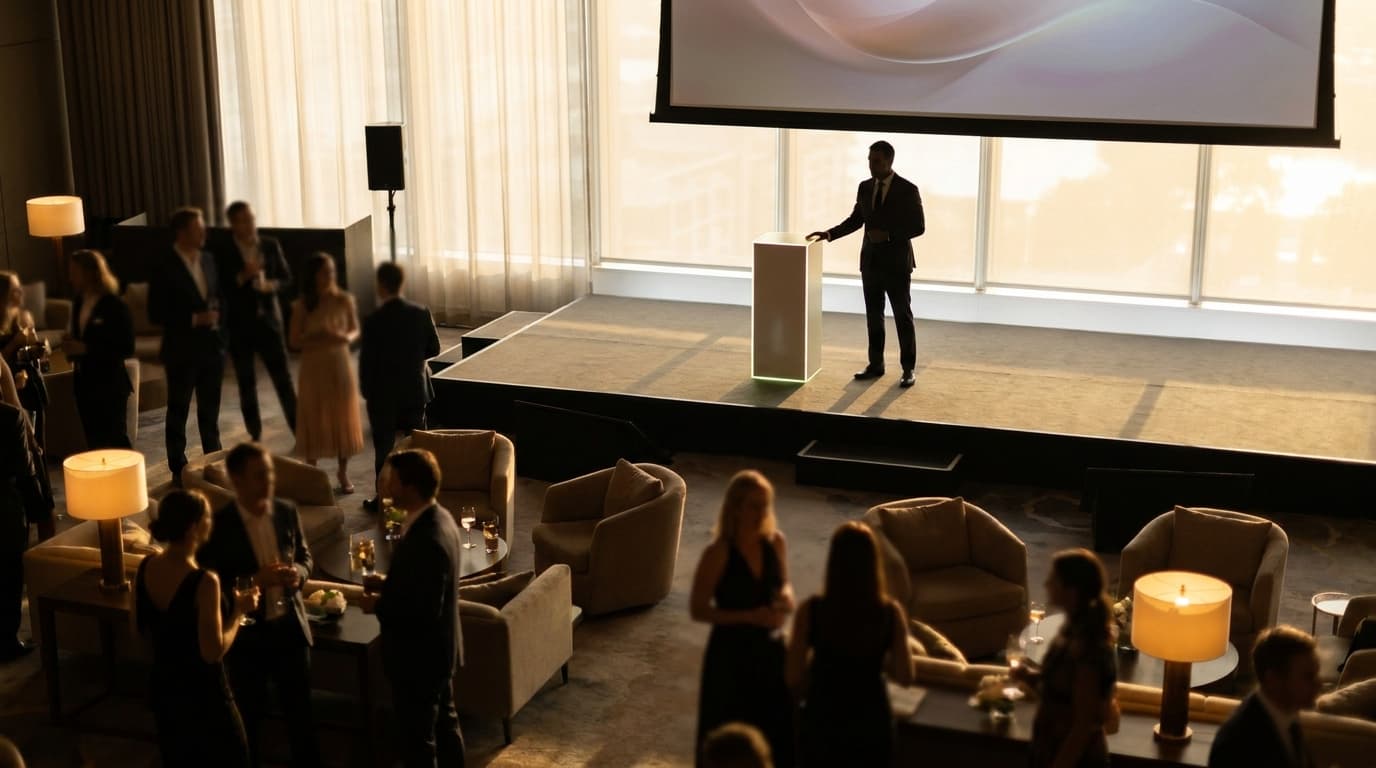
Reconvene the entire team at 15:00 at the Garden Gazebo while energy levels from the scavenger hunt are still high. Staging your professional group photo session right after an outdoor win captures genuine smiles and relaxed postures, creating marketing and internal comms assets that feel authentic.
At 15:30, transition back inside to Conference Hall A for the formal recognition ceremony. Celebrating winning scavenger hunt teams, standout workshop contributors, and general company milestones boosts overall employee morale. Conclude the day at 16:00 with a executive closing toast, leaving attendees feeling valued, unified, and ready to wrap up by 16:30. For executive teams aligning corporate strategies ahead of major company events, prepare your leadership using our Board Meeting Timeline Template (Free Schedule).
Team-Building Day Timeline vs Event Itinerary
It is easy to confuse a operational event timeline with a general guest itinerary, but they serve distinctly different purposes during offsite planning.
| Team-Building Day Timeline | Guest Itinerary |
|---|---|
| Internal, highly detailed schedule for organizers and vendors | External, high-level schedule distributed to attendees |
| Includes setup, AV checks, room resets, and catering delivery times | Focuses purely on session start times and general locations |
| Assigns specific facilitator roles and logistical contacts | Outlines attire guidelines and parking instructions |
| Features exact buffer windows to manage schedule drift | Lists primary activity titles without operational notes |
While the guest itinerary tells participants where to be, the master venue schedule details how facilitators, caterers, and AV techs cooperate behind the scenes to make the day run on time.
Who Should Use This Template?
This timeline structure is tailored for corporate leaders, event planners, and HR professionals looking to run an impactful employee retreat. It easily adapts across organizations, supporting the distinct roles required to execute a seamless corporate event:
- Human Resources Teams: Planning annual culture retreats, onboarding cohorts, or department alignment days.
- Corporate Event Planners: Managing venue logistics, external facilitators, and multi-vendor timelines.
- Executive Leadership Teams: Hosting strategic team offsites that balance business alignment with social bonding.
- Department Heads: Building team cohesion across remote or hybrid engineering, sales, or marketing units.
- External Facilitators: Coordinating challenge blocks, workshop materials, and debriefing sessions.
Organizations undergoing major structural shifts—such as those following an announcement detailed in our M&A Announcement Event Schedule & Planning Guide—can use this template to unify blending corporate cultures.
How to Use This Template
- Download or Duplicate: Access the editable Chronolio template or choose your preferred file format (Word Document or PDF Format).
- Set Your Event Date & Venue: Update locations (such as specific park grounds or meeting rooms) to reflect your chosen facility.
- Customize Activity Blocks: Adjust workshop duration or challenge types to align with your organization's specific retreat goals.
- Assign Facilitator Roles: Attach staff names and contact numbers to every schedule block so everyone knows who is leading.
- Share Across Channels: Distribute the functional operational schedule to vendors and the simplified itinerary to attendees.
Tips for a Successful Team-Building Day
- Build in mandatory buffer windows: Always leave 15 minutes between indoor workshops and outdoor grounds activities to allow for natural travel time and rest.
- Hydrate and fuel frequently: Provide easily accessible water stations and morning snacks alongside coffee to keep energy consistent.
- Test outdoor routes in advance: Walk the scavenger hunt trails a week prior to check for mud, construction, or access restrictions.
- Mix up cross-departmental teams: Assign groups in advance rather than allowing employees to self-select, maximizing cross-functional networking.
- Prepare bad-weather backups: Have contingency indoor spaces ready in case rain cancels outdoor park activities.
- Keep executive speeches short: Limit executive remarks during the closing toast to under 10 minutes so the event ends on a high note.
- Brief your photographers: Provide your media team with a shot list prior to the group photo session to avoid delay. If press coverage is part of your corporate announcement strategy, explore our Media/press briefing Timeline Template & Agenda Guide.
Common Mistakes to Avoid
- Overpacking the schedule: Cramming too many intense activities into a single day leaves participants exhausted rather than energized.
- Ignoring dietary needs: Failing to gather food allergy information early leads to frustrated guests during the lunch buffet.
- Forgetting debrief time: Running activities back-to-back without taking 5 minutes to discuss key learnings diminishes the educational value.
- Lack of clear sound equipment: Attempting outdoor briefings without portable megaphones or wireless mics wastes precious time.
- Making activities too physical: Forcing high-intensity athletic tasks can alienate team members; keep challenges accessible to all physical abilities.
- Skipping the final recognition: Ending the day abruptly after outdoor activities without formal appreciation leaves the offsite feeling unfinished.
In Summary
- A team-building day timeline balances morning strategy, outdoor movement, social dining, and formal employee awards.
- The default schedule spans from 09:00 arrival coffee through a 16:00 closing toast across distinct venue spaces.
- Built-in buffer windows account for catering shifts, room resets, and cross-departmental networking.
- It serves corporate event planners, HR managers, department heads, and external facilitators alike.
- Structured activities followed by casual celebration maximize long-term culture impact and team trust.
Planning a successful corporate retreat requires managing logistics, vendor timing, and participant energy with equal precision. Whether you are hosting fifty local employees or bringing together global business units, this customizable timeline ensures your event runs smoothly from start to finish. Organizations launching new internal platforms or brand initiatives during their retreat can also reference our Product Launch Event Timeline Template (Free Guide) or review the Product Launch Timeline Template to align product milestones with team celebrations.
Use This Team-Building Day Timeline