





This Template at a Glance
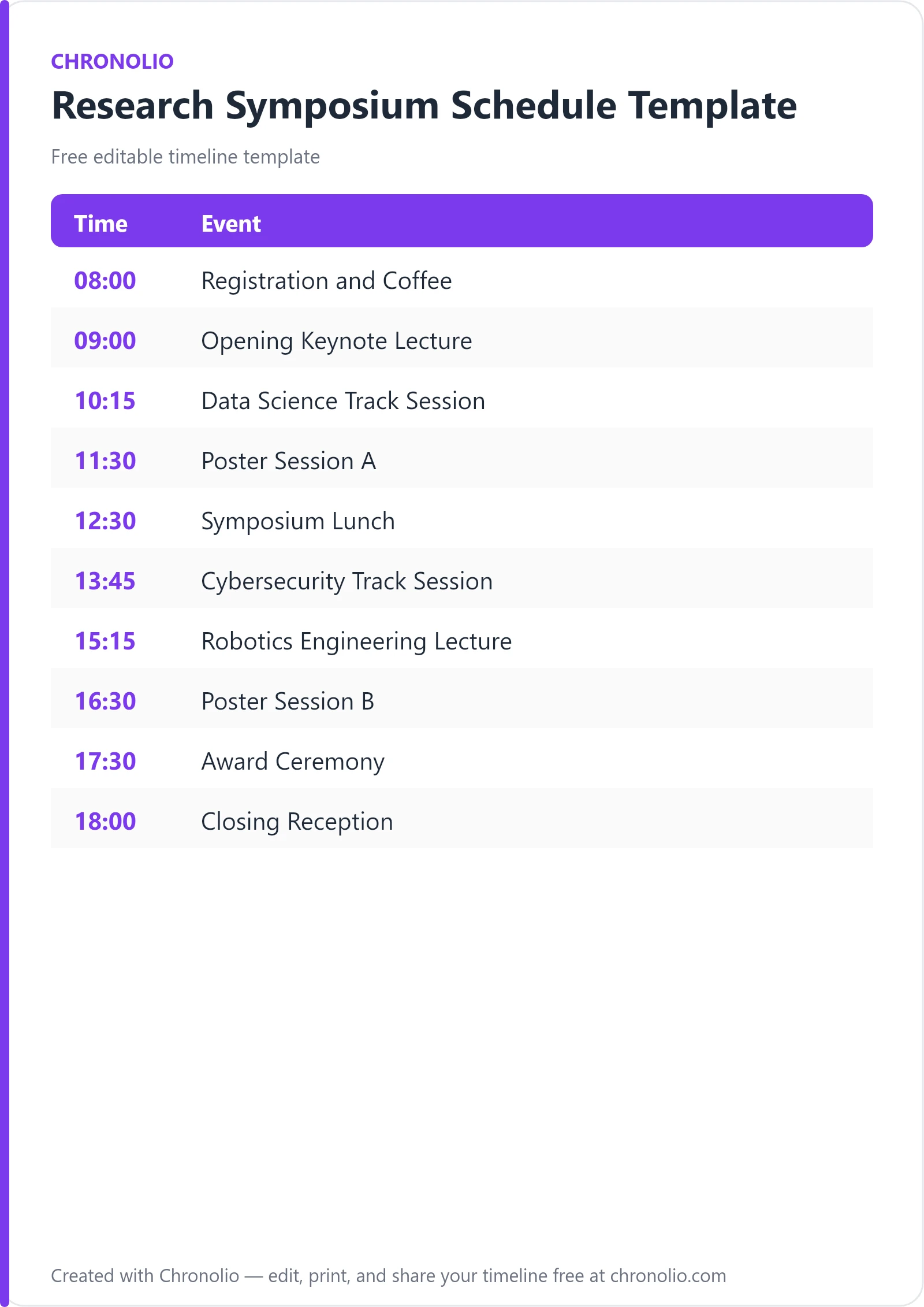
Here is the complete schedule this free template gives you — every time block, ready to edit, download, and share:
| Time | Event |
|---|---|
| 08:00 | Registration and Coffee |
| 09:00 | Opening Keynote Lecture |
| 10:15 | Data Science Track Session |
| 11:30 | Poster Session A |
| 12:30 | Symposium Lunch |
| 13:45 | Cybersecurity Track Session |
| 15:15 | Robotics Engineering Lecture |
| 16:30 | Poster Session B |
| 17:30 | Award Ceremony |
| 18:00 | Closing Reception |
What Is a Research Symposium Schedule?
A research symposium schedule is the master timetable that governs the execution of an academic gathering, aligning speaker presentations, track sessions, and interactive poster viewings into a seamless event flow. Having coordinated dozens of campus symposia and academic colloquiums at our event center, I can tell you that academic schedules require precise buffer times due to the technical complexity of presentations and audience Q&A sessions. This specialized schedule template incorporates real-world academic workflows, establishing clear transitions between large plenary sessions in main auditoriums and concurrent breakout panels in technical track rooms.
By outlining exact start times, venue locations, and activity categories, a well-crafted schedule keeps department chairs, student presenters, track moderators, and attendees synchronized throughout the day. Whether you are running a single-day department showcase or pairing this timeline with a comprehensive multi-day academic conference schedule, having a dedicated timetable ensures every researcher gets their allocated airtime without delaying subsequent sessions. You can also download print-ready versions using our Word Document template or our PDF schedule download.
Customize Your Research Symposium Schedule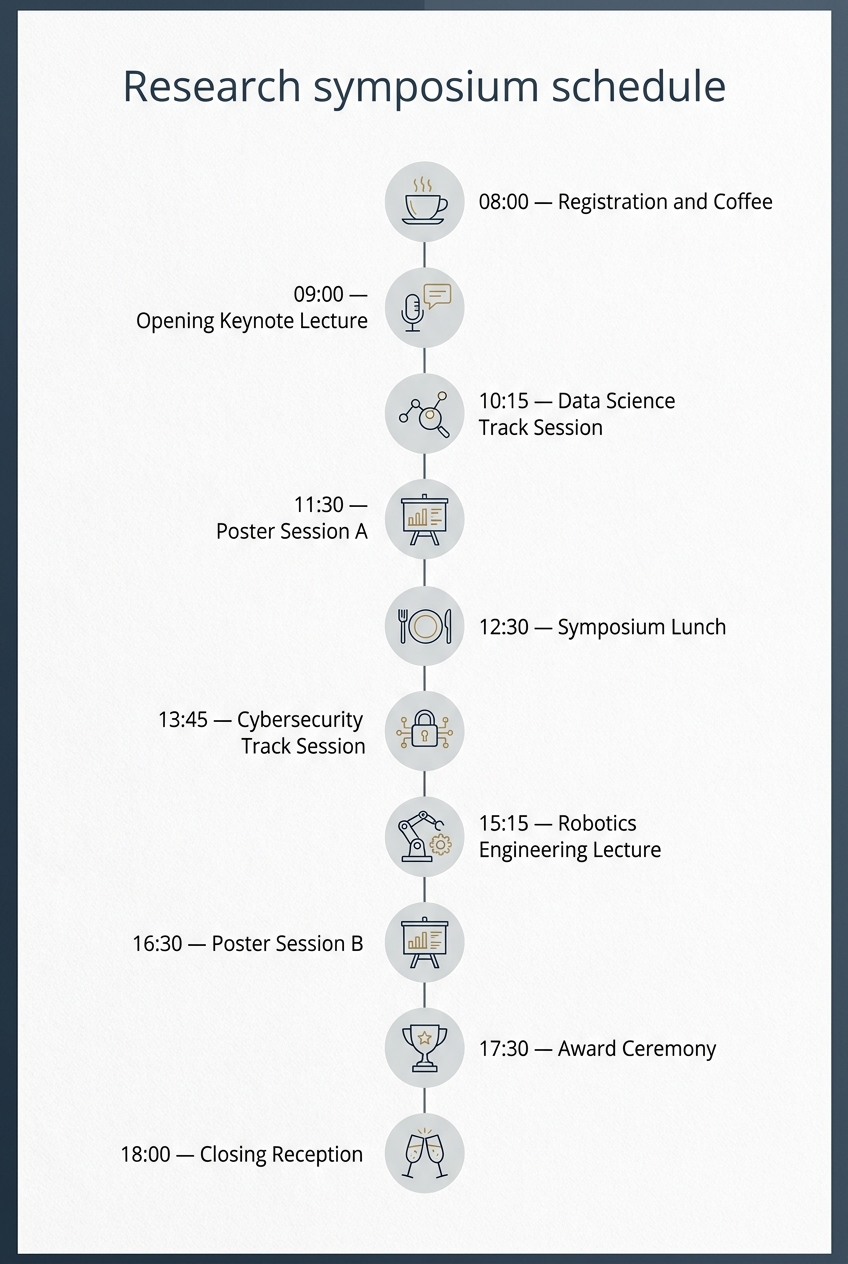
Why Research Symposiums Need a Timeline
Academic events have a notorious reputation for running behind schedule, primarily because passionate researchers love discussing their findings during open Q&A sessions. A strict event timeline maintains academic rigor while respecting venue parameters, ensuring that late-afternoon presenters are not forced to rush through their hard-earned data. Without an enforced timetable, early morning paper presentations spill over into mid-day poster sessions, creating bottlenecks at catering stations and leaving keynotes under-attended.
Furthermore, multi-track academic events require complex coordination across different facilities. When your schedule pairs a one-day conference agenda template with concurrent breakout rooms, attendees need reliable timing to move between technical tracks—such as shifting from a data science paper in one room to a cybersecurity panel in another—without missing opening remarks.
Finally, proper timing is essential for competitive poster sessions and abstract evaluations. Judges require guaranteed windows of time to review poster boards, interview graduate presenters, and tally scores before evening award presentations. An explicit, published schedule provides the structure necessary to deliver a professional experience for both faculty and visiting delegates.
What to Include in a Research Symposium Schedule
To deliver a comprehensive academic program, your research symposium schedule must incorporate several core structural elements:
- Registration and Refreshment Window: Morning check-in block with coffee service to allow delegates to collect badge lanyards, abstract booklets, and venue maps.
- Plenary Keynote Session: A focal opening presentation delivered by a leading scholar or principal investigator in the main auditorium.
- Categorized Academic Tracks: Parallel breakout sessions grouped by research topic (e.g., Data Science, Engineering, Humanities) featuring short paper deliveries and Q&A.
- Interactive Poster Sessions: Dedicated blocks in an exhibition hall where student and faculty researchers present visual summary boards.
- Structured Networking Breaks: Catered lunches and afternoon coffee pauses situated near exhibition spaces to foster interdisciplinary discussions.
- Formal Recognition Ceremony: An end-of-day award presentation acknowledging outstanding research papers, methodologies, and poster designs.
- Informal Concluding Reception: An evening gathering on a terrace or lounge allowing delegates to connect socially before departing.
Phase 1: Morning Keynote and Data Science Track
| Time | Event |
|---|---|
| 08:00 | Registration and Coffee |
| 09:00 | Opening Keynote Lecture |
| 10:15 | Data Science Track Session |
| 11:30 | Poster Session A |
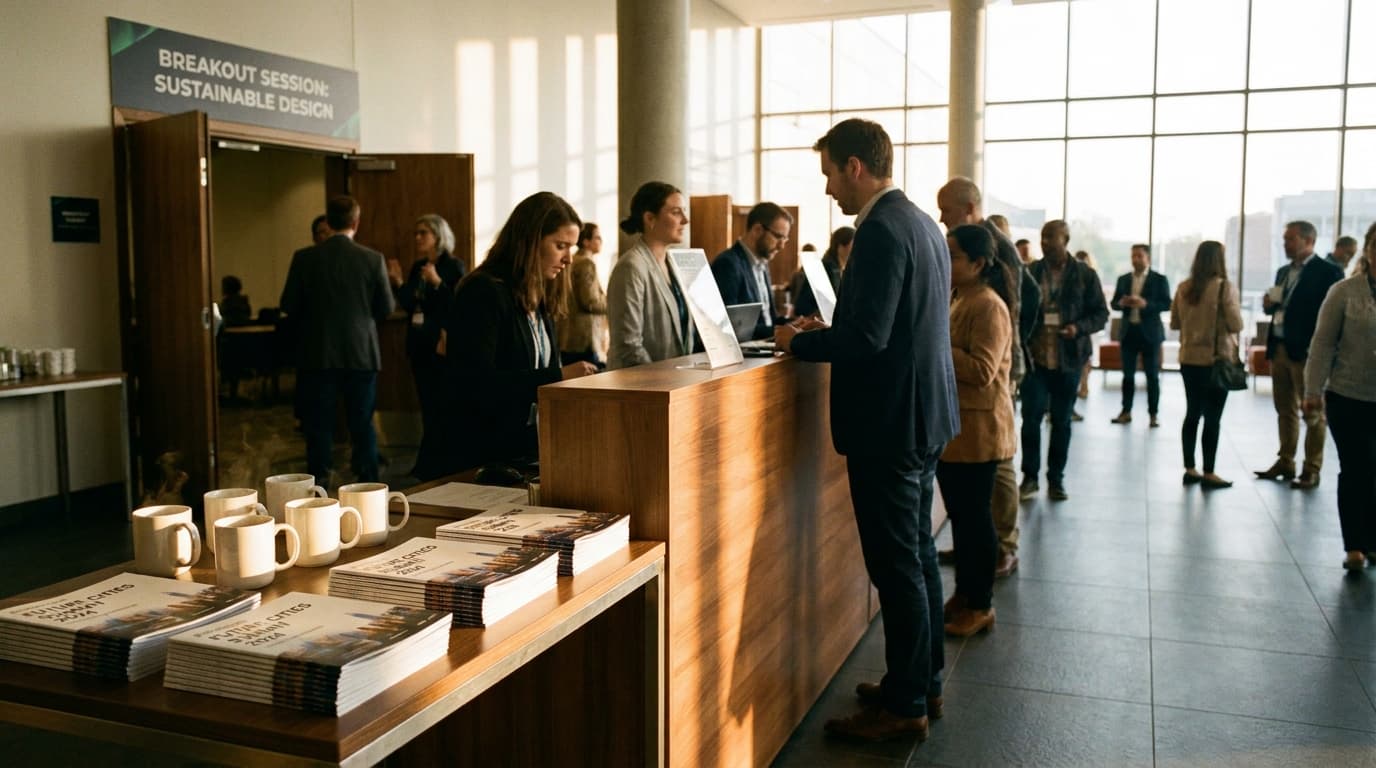
The morning begins in the main lobby, where attendees complete registration and collect conference materials alongside morning coffee. Starting registration a full hour before the formal program allows delegates to settle in, find seating, and begin networking without creating long queues at the check-in desk. At 09:00, the event moves into the Grand Auditorium for the keynote lecture. Placing your most prominent distinguished speaker in the opening slot maximizes audience attendance and sets an inspiring tone for the research presented throughout the remainder of the day.
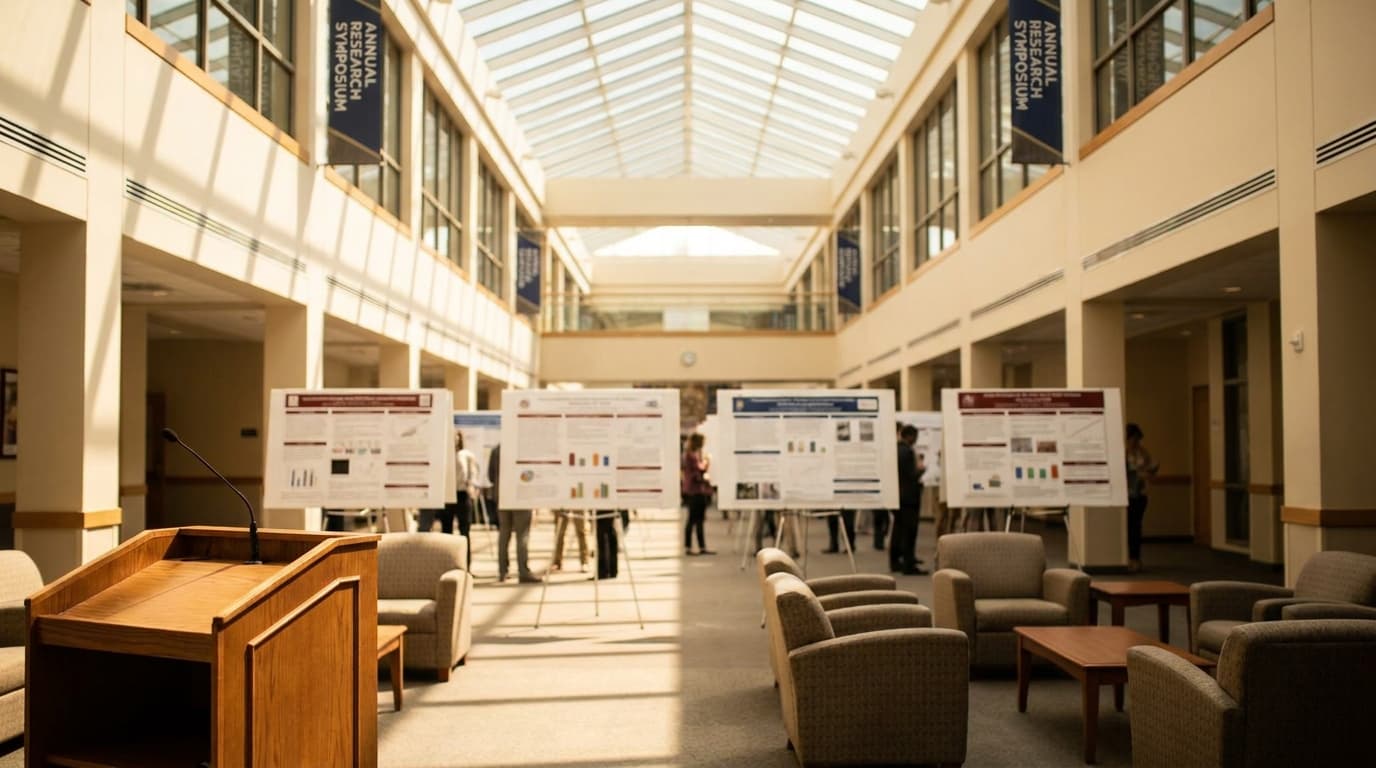
Following the opening keynote, attendees transition into specialized subject domains at 10:15. The Data Science track session in Room 201 features consecutive paper presentations on topics like predictive modeling and statistical analysis, giving each scholar a strict window for delivery followed by audience discussion. The morning phase concludes in the exhibition hall with Poster Session A at 11:30. This transition shifts delegates from passive listening to active engagement, allowing graduate students to stand by their physical poster boards and explain their methodologies directly to peers and faculty judges.
Phase 2: Midday Technical Tracks and Robotics
| Time | Event |
|---|---|
| 12:30 | Symposium Lunch |
| 13:45 | Cybersecurity Track Session |
| 15:15 | Robotics Engineering Lecture |
A structured one-hour catering break in the dining hall at 12:30 provides essential rest after a dense morning of scholarly discussions. Serving lunch in a centralized dining area encourages cross-pollination between researchers who spent the morning in different breakout rooms or subject tracks. If you are designing events for medical or life-science faculties, consider pairing this layout with our specialized medical conference timeline to accommodate strict clinical presentation standards.
The afternoon session resumes at 13:45 with the Cybersecurity track in Room 305. This dedicated technical block delves into network security and encryption protocols, demonstrating how categorizing tracks by subject discipline keeps targeted audiences engaged. At 15:15, participants reconvene in the Grand Auditorium for the Robotics Engineering lecture. Placing a dynamic hardware presentation—complete with live prototype robot demonstrations—in the mid-afternoon block effectively combats post-lunch fatigue and rebuilds enthusiasm across the attendee base.
Phase 3: Evening Poster Competition and Awards
| Time | Event |
|---|---|
| 16:30 | Poster Session B |
| 17:30 | Award Ceremony |
| 18:00 | Closing Reception |
Late afternoon begins with Poster Session B in the exhibition hall at 16:30, focusing on engineering and robotics research boards. Combining this final poster viewing with peer voting drives high engagement, as delegates cast ballots for the best student project while enjoying light afternoon networking. Holding two distinct poster sessions throughout the day prevents floor overcrowding and gives judges sufficient time to evaluate every entry fairly.
At 17:30, attendees return to the main auditorium for the formal Award Ceremony. Recognizing top paper submissions and poster winners publicly celebrates academic excellence and creates a clear climax for the formal program. The day concludes at 18:00 on the outdoor terrace with an informal closing reception. Light refreshments and social drinks give participants a relaxed setting to discuss future research collaborations, follow up with keynote speakers, and close out the symposium on a high note.
Research Symposium Schedule vs Academic Conference Program
While people often use these terms interchangeably, an event schedule defines exact operational timing whereas a conference program serves as an overarching narrative menu of abstract summaries and presenter biographies.
| Schedule Element | Symposium Schedule | Conference Program |
|---|---|---|
| Primary Focus | Minute-by-minute operational execution and venue movement | Content details, abstract listings, and presenter biographies |
| Target Audience | Session chairs, audio-visual staff, track moderators, and attendees | Conference registrants, university sponsors, and external readers |
| Time Precision | Exact start/end times for talks, breaks, and Q&A windows | Broad morning/afternoon session blocks and panel titles |
| Operational Detail | Specific room numbers, AV setup times, and catering locations | Abstract text, researcher institution affiliations, and paper titles |
Understanding this distinction is vital when publishing your event materials. Presenters and venue technicians require a precise schedule to manage room transitions and micro-phones, while attendees consult the broader program guide to choose which research papers interest them most. For broader corporate or institutional formats, you can adapt these timing principles using a leadership conference schedule.
Who Should Use This Template?
This timeline template is designed for academic coordinators and research institutions that need to manage multi-layered educational programs efficiently. Chronolio offers tailored views for various event management roles, ensuring that venue operators, track chairs, and student volunteers all work from the same live source of truth.
This schedule is ideal for:
- University Academic Departments: Managing annual faculty research days and student showcase events.
- Graduate Student Associations: Organizing peer-reviewed thesis presentations and poster competitions.
- STEM Research Institutes: Hosting specialized technical symposiums with live equipment demonstrations.
- Grant-Funded Research Hubs: Presenting milestone findings to corporate sponsors and institutional donors.
- Interdisciplinary Academic Centers: Scheduling multi-track conferences across cross-faculty research topics.
- Medical & Clinical Schools: Coordinating grand rounds, clinical research showcases, and poster judging.
How to Use This Template
- Duplicate or Import the Template: Load this schedule into Chronolio or download our ready-made Word Document or PDF file.
- Establish Key Plenary Times: Set fixed start and end times for your keynote lectures, lunch break, and closing award ceremony.
- Map Out Your Academic Tracks: Group accepted paper abstracts into logical track categories (e.g., Data Science, Engineering) and assign available breakout rooms.
- Assign Poster Sessions and Judging Windows: Allocate clear blocks in your main exhibition hall for poster presentations, ensuring judges have dedicated evaluation windows.
- Share with Session Chairs and AV Teams: Distribute tailored schedule views to track moderators and venue technicians so everyone knows when presentations transition.
Tips for a Successful Research Symposium
- Enforce Strict Presentation Time Limits: Provide session chairs with physical timer clocks or visual signal cards (green, yellow, red) to keep oral presentations strictly on schedule.
- Schedule Dedicated Buffer Minutes Between Tracks: Always build a 10-to-15-minute gap between breakout sessions to allow attendees to change rooms and presenters to load slide decks.
- Separate Poster Sessions from Oral Presentations: Never run major track lectures concurrently with poster sessions; keep poster viewings as exclusive plenary blocks to ensure high hall attendance.
- Standardize Poster Board Sizes Early: Communicate clear dimensions and mounting requirements to student presenters weeks before the event to avoid setup chaos in the exhibition hall.
- Brief Session Chairs on Managing Q&A: Instruct track moderators to limit audience questions to two minutes per person and cut off trailing discussions politely.
- Incorporate Interactive Technology: Use digital Q&A platforms or floor microphones to streamline audience participation during keynote lectures in large auditoriums.
- Promote External Academic Resources: Encourage presenters to archive their preliminary papers with established scholarly bodies like the Council on Undergraduate Research or leading publisher indexing services.
Common Mistakes to Avoid
- Overbooking Presentation Slots: Packing too many papers into a single track session leaves zero time for audience Q&A and guarantees the session will run late.
- Neglecting Audio-Visual Setup Buffers: Failing to schedule AV check times in the morning forces technical teams to debug projector connections while delegates sit in silence.
- Hiding Poster Sessions in Remote Hallways: Placing research posters in isolated corridors reduces foot traffic; always locate poster displays near central coffee and refreshment stations.
- Omitting Session Chair Briefings: Assuming track chairs know how to keep presenters on time leads to unmanaged overruns; conduct a short briefing before morning registration starts.
- Ignoring Dietary Requirements at Lunch: Providing generic lunch options creates delays at catering lines; ensure dietary options are clearly labeled in the dining hall.
- Forgetting Presenter Loading Instructions: Forcing speakers to plug in personal laptops right before speaking wastes valuable time; collect slide presentations in advance on a central media server.
In Summary
- Structured Academic Flow: Integrates morning keynote lectures, specialized track sessions, and interactive poster viewings into a balanced single-day format.
- Disciplined Time Management: Built-in 15-minute buffers prevent presentation overruns and allow seamless room changes between breakout tracks.
- Dual Poster Blocks: Splitting poster viewing into morning and afternoon sessions keeps exhibition hall crowds manageable and gives judges ample review time.
- Multi-Role Clarity: Keeps department heads, track chairs, AV operators, and student researchers synchronized across different room locations.
- Adaptable Format: Easily pairs with creative panels or pitch showcases, similar to a startup pitch event timeline, when bridging academia with industry sponsors.
- Print and Digital Ready: Exportable instantly to online Chronolio timelines or offline PDF and Word files for campus distribution.
Organizing a seamless scholarly showcase requires balancing high-level keynote speeches, interactive poster judging, and targeted scientific panels. By utilizing this proven research symposium schedule, university departments, scientific institutes, and student associations can deliver a disciplined, highly professional event that highlights critical research discoveries while respecting the time of every delegate and presenter.
Customize Your Research Symposium Schedule