





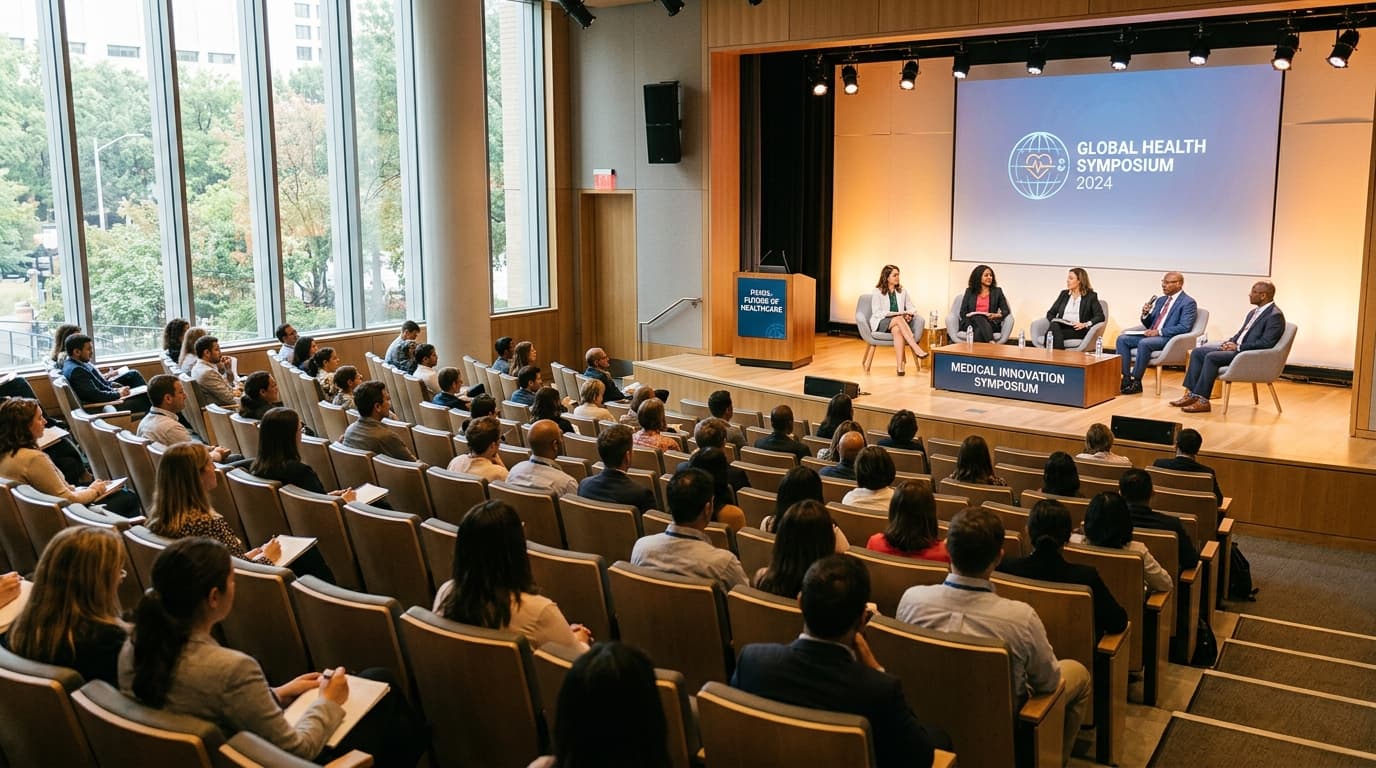
This Template at a Glance
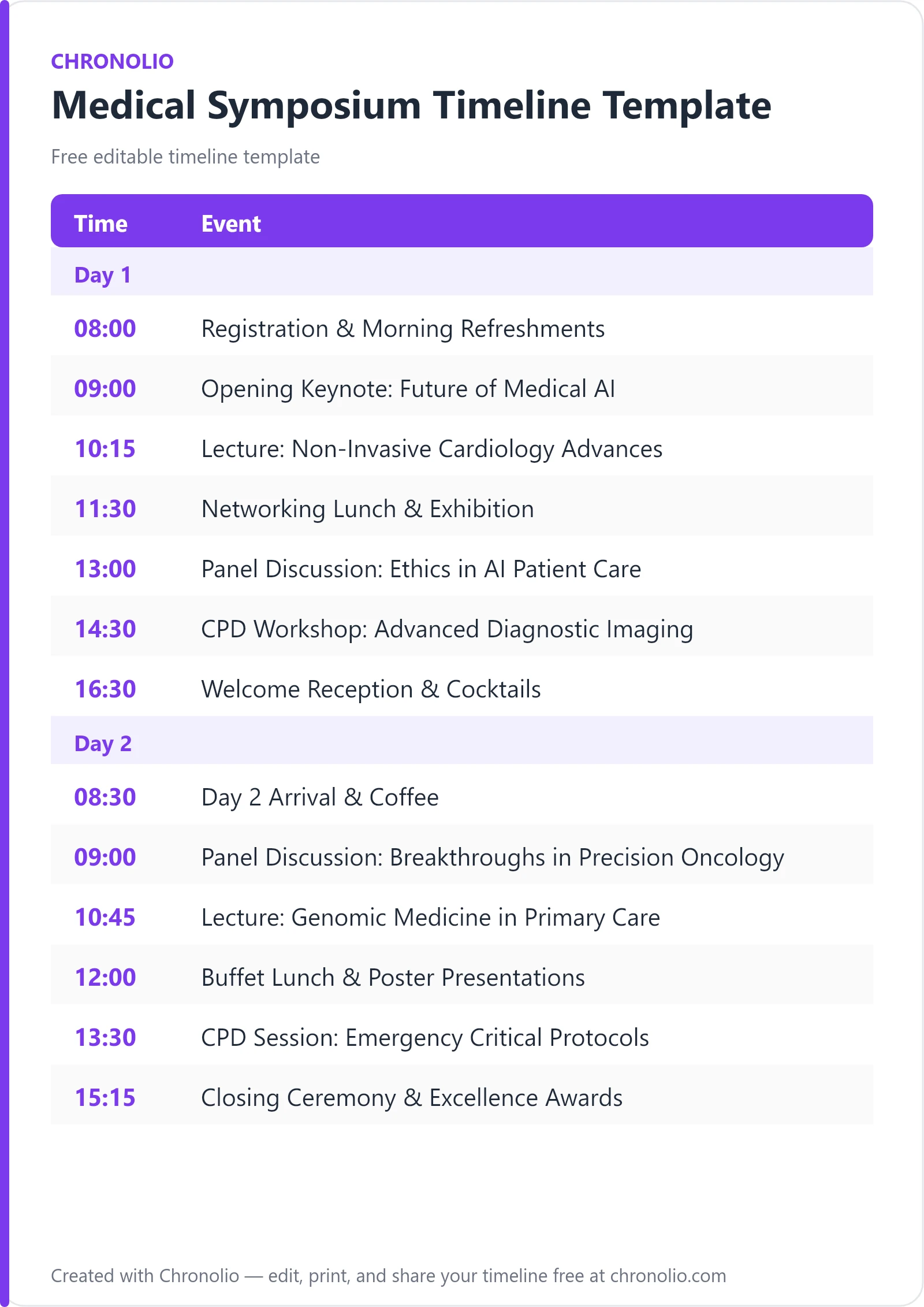
Here is the complete schedule this free template gives you — every time block, ready to edit, download, and share:
| Day | Time | Event |
|---|---|---|
| 1 | 08:00 | Registration & Morning Refreshments |
| 1 | 09:00 | Opening Keynote: Future of Medical AI |
| 1 | 10:15 | Lecture: Non-Invasive Cardiology Advances |
| 1 | 11:30 | Networking Lunch & Exhibition |
| 1 | 13:00 | Panel Discussion: Ethics in AI Patient Care |
| 1 | 14:30 | CPD Workshop: Advanced Diagnostic Imaging |
| 1 | 16:30 | Welcome Reception & Cocktails |
| 2 | 08:30 | Day 2 Arrival & Coffee |
| 2 | 09:00 | Panel Discussion: Breakthroughs in Precision Oncology |
| 2 | 10:45 | Lecture: Genomic Medicine in Primary Care |
| 2 | 12:00 | Buffet Lunch & Poster Presentations |
| 2 | 13:30 | CPD Session: Emergency Critical Protocols |
| 2 | 15:15 | Closing Ceremony & Excellence Awards |
What Is a Medical Symposium Timeline?
A medical symposium timeline is an operational master schedule that governs the exact sequence, room locations, and pacing of technical presentations, clinical panels, and networking breaks across a multi-day medical assembly. Unlike standard corporate meeting schedules, a professional medical symposium timeline must balance rigid continuing professional development (CPD) and Continuing Medical Education (CME) contact-hour rules with realistic venue logistics.
Having managed high-stakes medical conventions and academic assemblies for over a decade, I have seen how a well-structured timeline prevents presenter overrun, keeps trade exhibition floors busy, and reduces delegate fatigue. This two-day schedule reflects real-world clinical conference requirements, giving your organizing committee a reliable blueprint for managing multidisciplinary speakers, abstract poster sessions, and floor staff. To quickly distribute offline reference sheets to your organizing team, feel free to use our downloadable Word template or ready-to-print PDF version.
Customize Your Medical Symposium Timeline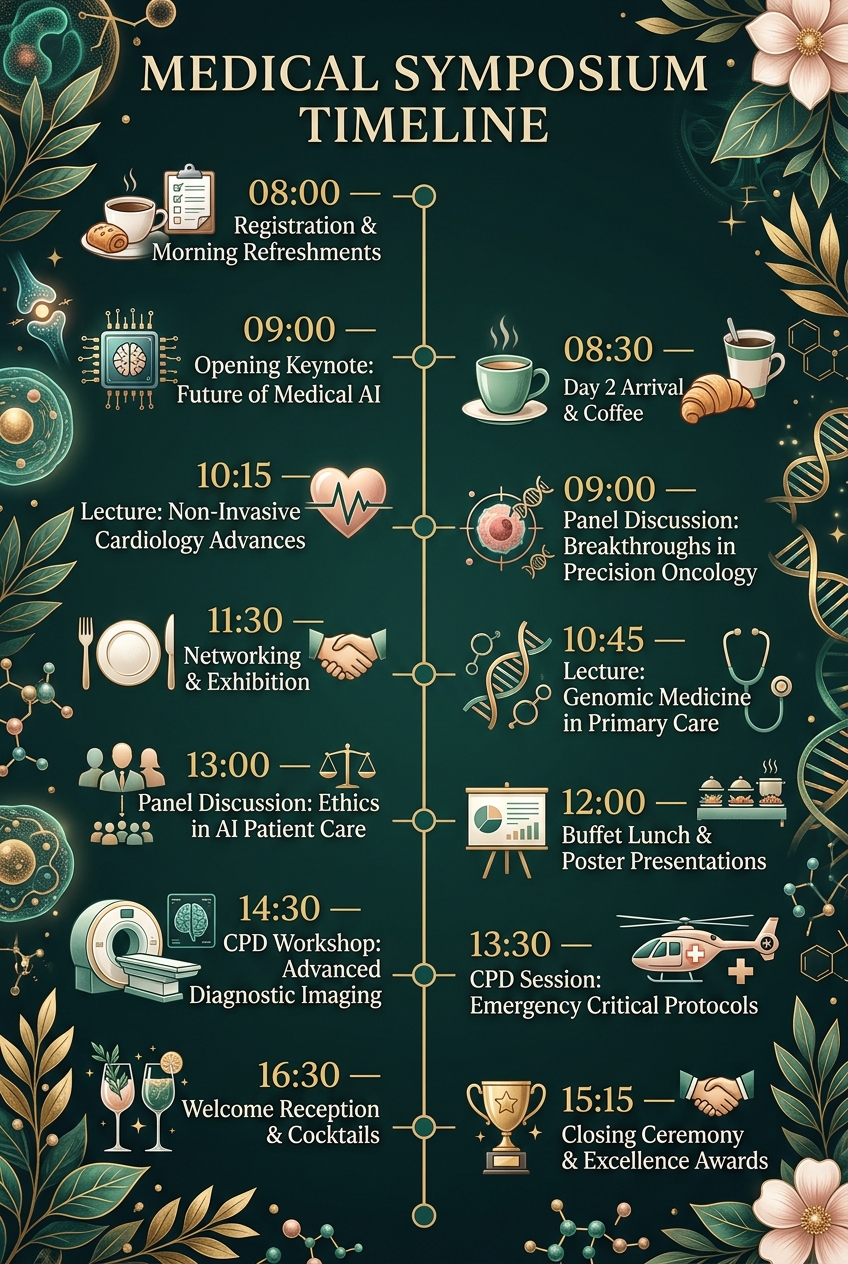
Why Medical Symposiums Need a Timeline
Planning a major healthcare event requires strict synchronization across multiple teams and venue spaces. Medical conferences bring together clinical specialists, academic researchers, trade sponsors, and audio-visual technicians across auditoriums, breakout rooms, and exhibition halls. Without a central master schedule, sessions quickly bleed into catering breaks and create severe room bottlenecks.
Maintaining explicit time blocks is also essential for preserving medical accreditation status. Medical boards require precise tracking of instructional minutes before issuing formal educational credits to attending physicians. Just as corporate governance relies on a structured board meeting timeline template to keep executive proceedings compliant, medical organizers rely on timing precision to satisfy strict auditing requirements set by organizations like the Accreditation Council for Continuing Medical Education (ACCME).
Finally, a predictable schedule respects the demanding schedules of clinical delegates. Physicians and healthcare executives often attend conferences around shift duties or emergency calls. A reliable, punctual schedule lets delegates plan which technical lectures, panel Q&As, or trade exhibits they must attend without wasting valuable time.
What to Include in a Medical Symposium Timeline
- Delegate registration and morning check-in periods with buffer time for badge collection and coffee.
- Plenary lectures and keynote presentations delivered in main auditoriums by invited specialists.
- Accredited CPD workshops and practical training sessions held in dedicated breakout seminar rooms.
- Multidisciplinary panel discussions incorporating interactive Q&A segments with the audience.
- Dedicated poster presentation windows in the exhibition hall for peer-reviewed research.
- Catered networking lunches and refreshment breaks strategically timed to prevent overcrowding.
- Evening social receptions and award ceremonies led by the symposium chair and committee leadership.
Day 1 Morning: Registration, AI Keynote, & Clinical Advances
| Time | Event |
|---|---|
| 08:00 | Registration & Morning Refreshments |
| 09:00 | Opening Keynote: Future of Medical AI |
| 10:15 | Lecture: Non-Invasive Cardiology Advances |
| 11:30 | Networking Lunch & Exhibition |
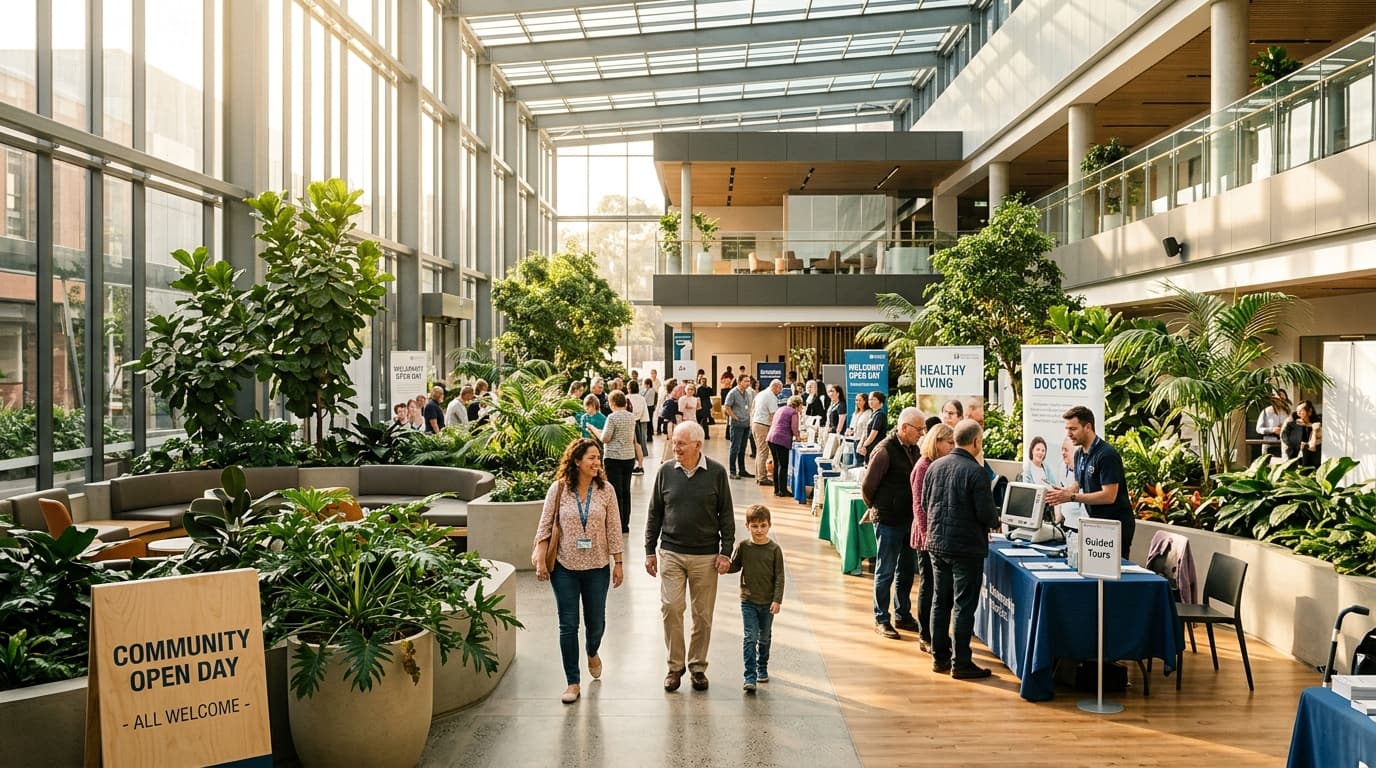
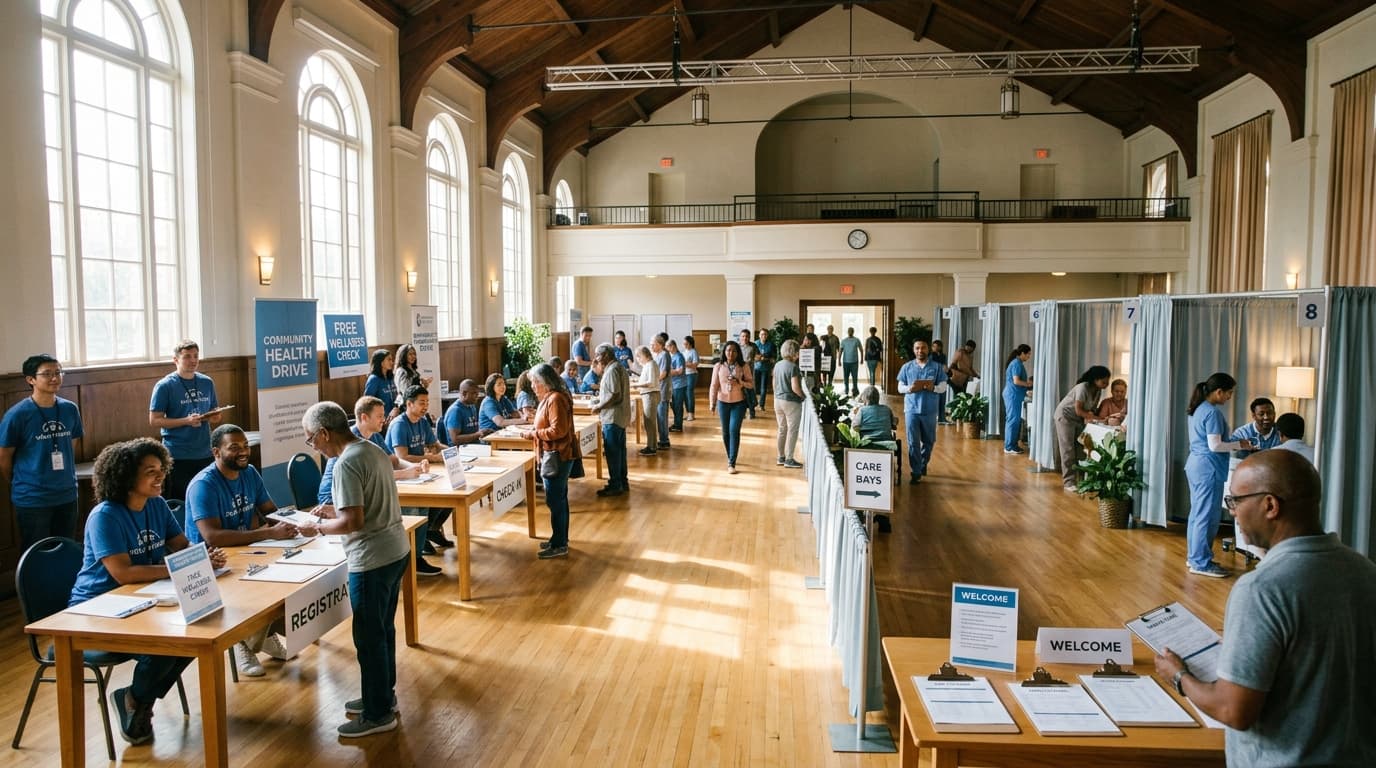
The opening morning sets the professional tone for your entire conference. Starting at 08:00 in the Grand Foyer (Level 1), delegates collect their credentials and welcome materials while enjoying light refreshments, providing a comfortable 60-minute buffer for late arrivals before formal opening remarks. At 09:00, move the audience into Auditorium A for the keynote presentation on machine learning applications in diagnostic medicine, followed at 10:15 by a focused technical lecture on updated non-invasive surgical protocols.
At 11:30, transition participants into Exhibition Hall B for a generous 75-minute buffet lunch. Scheduling an extended mid-day break on Day 1 encourages delegates to interact with medical device exhibitors and industry sponsors while enjoying a relaxed meal before afternoon breakout sessions begin.
Day 1 Afternoon: Ethics Panel, Accredited Training, & Evening Mixer
| Time | Event |
|---|---|
| 13:00 | Panel Discussion: Ethics in AI Patient Care |
| 14:30 | CPD Workshop: Advanced Diagnostic Imaging |
| 16:30 | Welcome Reception & Cocktails |
Afternoon sessions require active, engaging formats to keep delegates focused after lunch. At 13:00, Auditorium B hosts a multidisciplinary panel examining regulatory frameworks and patient privacy in automated clinical workflows. At 14:30, transition participating clinicians into Seminar Room 102 for an intensive, accredited CPD workshop focused on diagnostic imaging techniques where attendees can engage directly with modern diagnostic equipment.
Wrap up the opening day on the Rooftop Terrace at 16:30 with an informal welcome reception. Providing relaxed networking over drinks and appetizers gives delegates an opportunity to discuss the day's research findings and form multi-institutional research collaborations. Just as you would orchestrate social flow for personal events using a birthday party timeline template or an anniversary party schedule template, designing an inviting evening setting creates genuine connection points among medical colleagues.
Day 2 Morning: Precision Medicine & Scientific Poster Sessions
| Time | Event |
|---|---|
| 08:30 | Day 2 Arrival & Coffee |
| 09:00 | Panel Discussion: Breakthroughs in Precision Oncology |
| 10:45 | Lecture: Genomic Medicine in Primary Care |
| 12:00 | Buffet Lunch & Poster Presentations |
Day 2 begins with a brief 30-minute coffee window at 08:30 in the Grand Foyer, allowing returning attendees to grab coffee and enter session halls smoothly. At 09:00, Auditorium A opens with a panel discussion on clinical trial outcomes in targeted oncology therapies, followed by a 10:45 lecture on translating genomic data into routine primary care visits.
At 12:00, Exhibition Hall B hosts a combined buffet lunch and scientific poster presentation session. Combining scientific poster displays with the lunch hour maximizes space efficiency and encourages open discussion between authoring researchers and attending delegates as published in leading clinical titles like The BMJ.
Day 2 Afternoon: Emergency Protocols & Excellence Awards
| Time | Event |
|---|---|
| 13:30 | CPD Session: Emergency Critical Protocols |
| 15:15 | Closing Ceremony & Excellence Awards |
The final afternoon focuses on high-impact clinical skills followed by formal recognition. At 13:30 in Seminar Room 104, delegates attend a hands-on CPD workshop reviewing critical care standard operating procedures, giving practitioners actionable protocols they can directly apply in clinical practice.
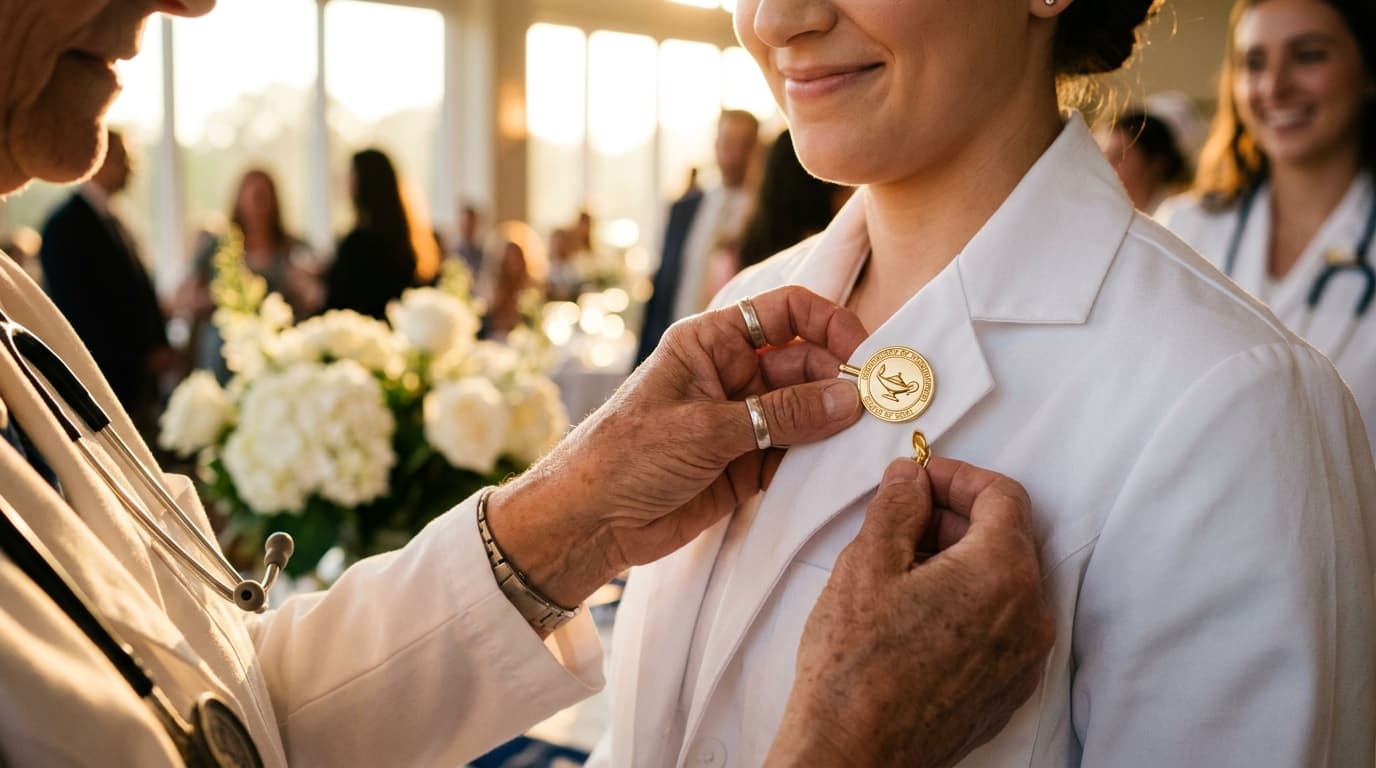
At 15:15, all participants reconvene in Auditorium A for the closing ceremony. The symposium chair offers final remarks and presents excellence awards for outstanding scientific posters, concluding the conference on an inspiring, high-note. While milestone celebrations like those planned with a baby shower timeline template emphasize personal moments, an academic closing ceremony delivers essential peer recognition for clinical excellence.
Medical Symposium Timeline vs Medical Conference Agenda
| Feature | Medical Symposium Timeline | Medical Conference Agenda |
|---|---|---|
| Primary Purpose | Operational master blueprint for venue, AV, and floor staff | Public schedule overview for attending delegates and guests |
| Audience | Organizers, venue captains, AV techs, and session chairs | Doctors, nurses, researchers, and trade attendees |
| Detail Level | Includes room setup cues, transit buffers, and catering drop-offs | Displays session titles, speaker names, and general locations |
| CPD Tracking | Logs precise instructional start/stop minutes for accreditation | Indicates total potential CME/CPD points available for the day |
While a conference agenda tells attendees where to be, the medical symposium timeline controls how the event operates behind the scenes. It tracks the precise operational details—such as microphone handoffs, speaker ready room check-ins, catering setups, and accreditation compliance minutes—that guarantee a professional attendee experience.
Who Should Use This Template?
This master schedule template is designed specifically for healthcare event planners, academic institutions, and administrative directors working across:
- Medical schools, university teaching hospitals, and research facilities
- Continuing Medical Education (CME) and CPD accredited training boards
- Specialty medical societies (e.g., Cardiology, Oncology, Radiology, Surgery)
- Hospital networks hosting internal clinical updates and staff training days
- Pharmaceutical and medical device industry trade associations
- Professional conference organizers (PCOs) specializing in clinical events
Chronolio supports all administrative and management roles involved in executing professional academic conventions and healthcare assemblies.
How to Use This Template
- Duplicate or download the schedule into your Chronolio account or preferred planning software.
- Set your specific event dates and update auditorium and seminar room names to match your venue layout.
- Adjust lecture durations and break lengths based on your specific continuing education credit requirements.
- Distribute the master timeline to venue event managers, catering captains, AV technicians, and session chairs.
Tips for a Successful Medical Symposium
- Incorporate 15-minute buffer windows between major auditorium lectures to accommodate audience Q&A and technical slide adjustments.
- Establish a dedicated Speaker Ready Room where presenters can test slide decks and microphones 30 minutes prior to their session.
- Position lunch and coffee buffets in multiple quadrants of the exhibition hall to avoid long queues during peak break times.
- Use digital attendance tracking (such as badge scanning) at seminar room doors to simplify post-event CPD credit auditing.
- Keep presentation halls at a comfortable 68°F–70°F to maintain delegate energy during long scientific sessions.
- Provide clear digital slide archives or recordings for registered attendees who missed concurrent breakout sessions.
Common Mistakes to Avoid
- Overbooking presentation schedules: Failing to leave time for audience Q&A causes sessions to spill into catering breaks.
- Ignoring venue walk times: Forgetting that moving 300 delegates from an upper-floor auditorium to ground-floor seminar rooms takes 10 to 12 minutes.
- Insufficient check-in capacity: Setting up too few registration desks on Day 1 morning, causing long delegate lines in the foyer.
- Shortchanging refreshment breaks: Restricting coffee breaks to 15 minutes, which leaves delegates insufficient time for restrooms and trade booths.
- Unclear room signage: Failing to clearly label breakout seminar numbers, leading to confused delegates wandering hallways.
- Skipping pre-event AV soundchecks: Neglecting to test presenter slide clickers and lapel microphones before the opening keynote.
In Summary
- A medical symposium timeline is an operational master schedule balancing scientific lectures, practical workshops, and exhibit sessions.
- This template structures 13 events across two full days, optimized for academic flow and delegate retention.
- Explicit timing parameters help organizing committees meet CME/CPD accreditation tracking criteria.
- Designed for medical associations, hospital systems, research faculties, and professional conference planners.
- Prevents scheduling overruns, mitigates venue bottlenecks, and ensures a flawless speaker experience.
Organizing a successful clinical assembly requires balancing complex academic programming with smooth venue operations. Utilizing this medical symposium timeline gives your organizing committee, venue staff, and session chairs a shared master schedule that respects clinicians' time and meets strict accreditation standards.
Customize Your Medical Symposium Timeline