





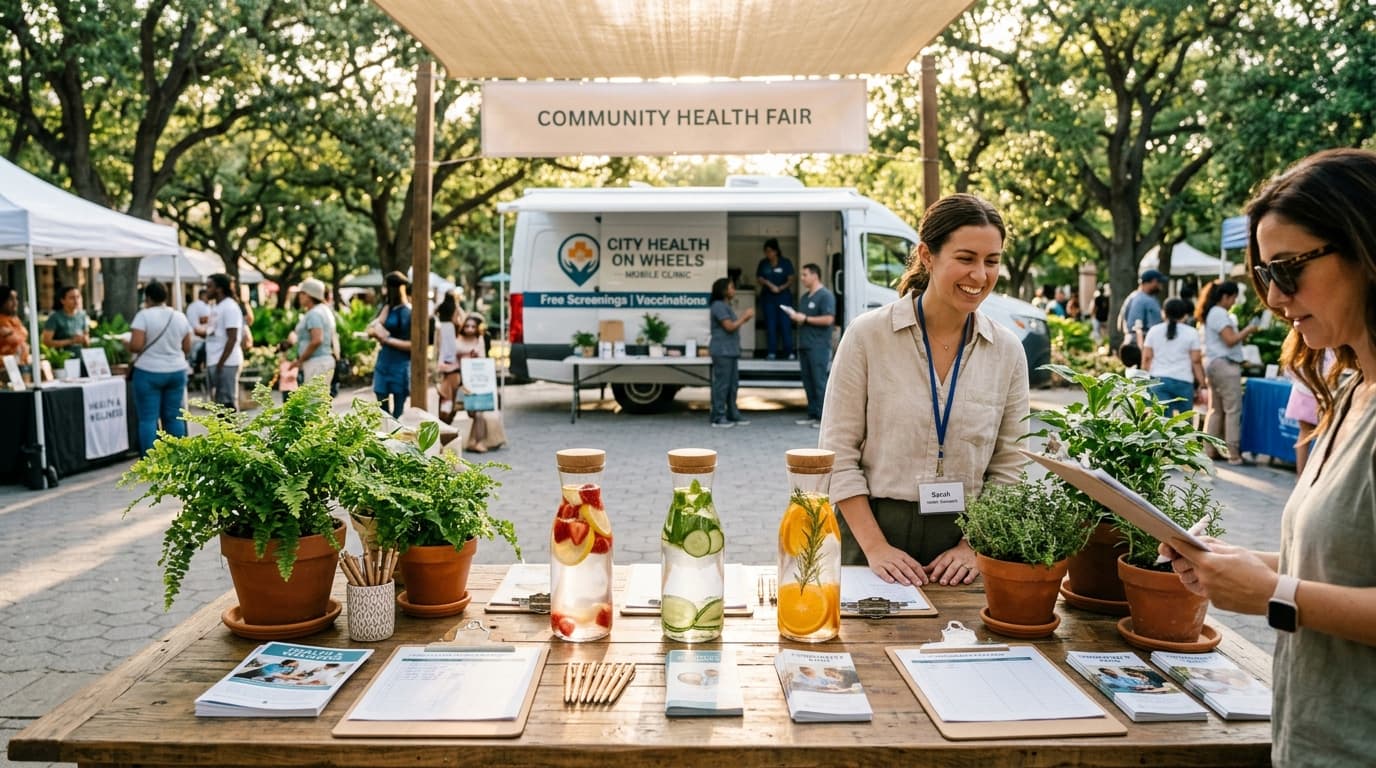
This Template at a Glance
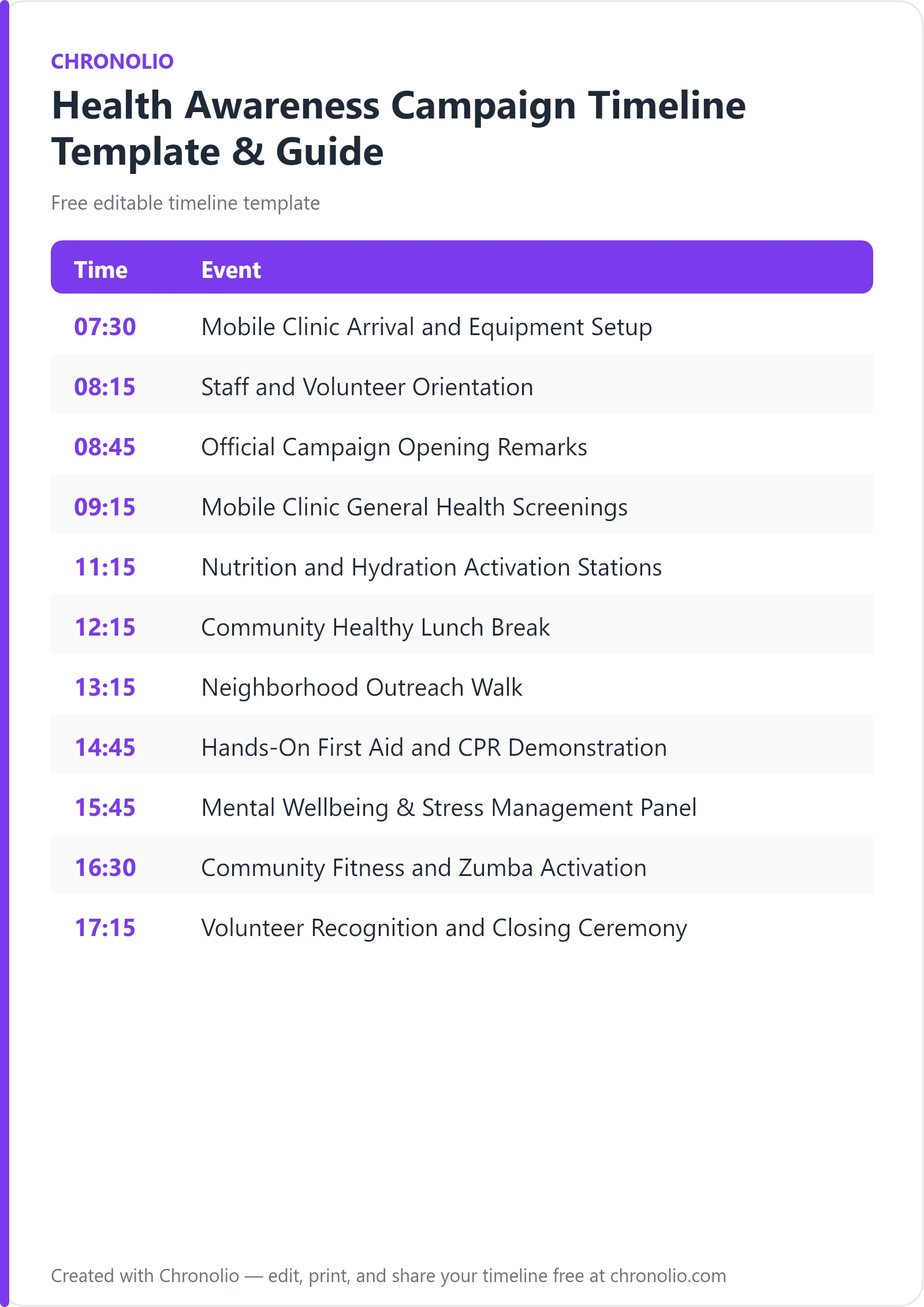
Here is the complete schedule this free template gives you — every time block, ready to edit, download, and share:
| Time | Event |
|---|---|
| 07:30 | Mobile Clinic Arrival and Equipment Setup |
| 08:15 | Staff and Volunteer Orientation |
| 08:45 | Official Campaign Opening Remarks |
| 09:15 | Mobile Clinic General Health Screenings |
| 11:15 | Nutrition and Hydration Activation Stations |
| 12:15 | Community Healthy Lunch Break |
| 13:15 | Neighborhood Outreach Walk |
| 14:45 | Hands-On First Aid and CPR Demonstration |
| 15:45 | Mental Wellbeing & Stress Management Panel |
| 16:30 | Community Fitness and Zumba Activation |
| 17:15 | Volunteer Recognition and Closing Ceremony |
What Is a Health Awareness Campaign Timeline?
A health awareness campaign timeline is the operational backbone of any public health outreach initiative, aligning medical logistics, community engagement, and volunteer schedules into an synchronized master plan. Organizing a large-scale public campaign requires managing dozens of moving parts simultaneously — from calibrating diagnostic gear in mobile medical units to orchestrating interactive nutritional booths and neighborhood canvassing teams.
Over my years managing high-capacity public activations, I have learned that medical outreach events fail not from a lack of passion, but from poor time management and clinical bottlenecking. This field-tested schedule reflects standard public health practices and real-world event dynamics. By dividing your day into distinct operational phases — early technical prep, morning clinical screening, midday educational activations, and late-afternoon wellness programming — you establish a calm, professional environment where participants receive exceptional care.
Customize Your Health Awareness Campaign Timeline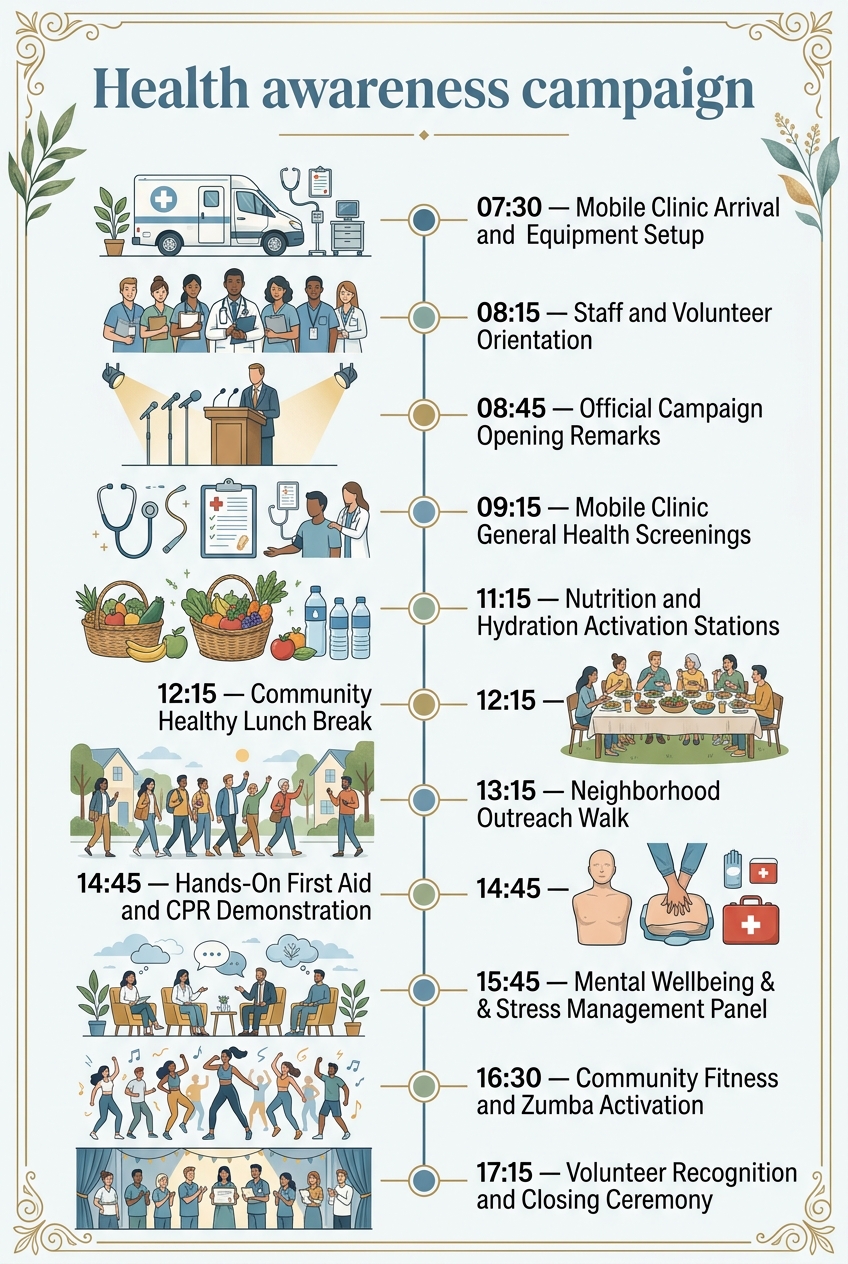
Why Health Awareness Campaigns Need a Timeline
Executing community health initiatives without a detailed schedule creates immediate security risks, clinical backlogs, and volunteer exhaustion. Precise timing protects patient privacy and care quality, ensuring nurses and doctors aren't rushed through diagnostic procedures like glucose tests or blood pressure screenings.
When running large outdoor activations, keeping strict oversight of your time budget delivers three major benefits:
- Flawless Clinical and Logistics Coordination: Mobile medical units require dedicated lead time for generator hookups, gear calibration, and sanitation protocols before the first patient arrives.
- Optimal Public Engagement: Spacing out high-energy activities like live nutrition demos and group fitness prevents crowd fatigue and keeps visitors engaged throughout the afternoon.
- Volunteer Retention and Safety: Clear schedules provide defined shift handoffs, mandatory meal breaks, and debriefing periods so your staff stays energized and focused.
What to Include in a Health Awareness Campaign Timeline
A comprehensive health campaign schedule must address both clinical rigor and public event management. When building your schedule, ensure you account for:
- Early Site Access & Equipment Calibration: Dedicated hours for mobile unit parking, canopy setup, and clinical staging.
- Staff and Medical Briefings: Mandatory safety meetings covering patient confidentiality, triage protocols, and emergency escalation paths.
- Core Diagnostic Hours: Uninterrupted windows reserved for free public health assessments and rapid counseling.
- Interactive Engagement Activations: Hands-on workshops, nutrition cooking stations, and wellness demonstrations that draw foot traffic.
- Field Canvassing & Neighborhood Outreach: Scheduled walking sweeps through surrounding residential streets to distribute health flyers and drive attendance.
- Break & Recovery Periods: Organized lunch shifts that maintain operational continuity across clinical tents.
- Closing & Volunteer Recognition: Official debriefing, data collation, and formal appreciation for clinical partners and sponsors.
Phase 1: Site Setup, Briefings, and Morning Screenings
| Time | Event |
|---|---|
| 07:30 | Mobile Clinic Arrival and Equipment Setup |
| 08:15 | Staff and Volunteer Orientation |
| 08:45 | Official Campaign Opening Remarks |
| 09:15 | Mobile Clinic General Health Screenings |
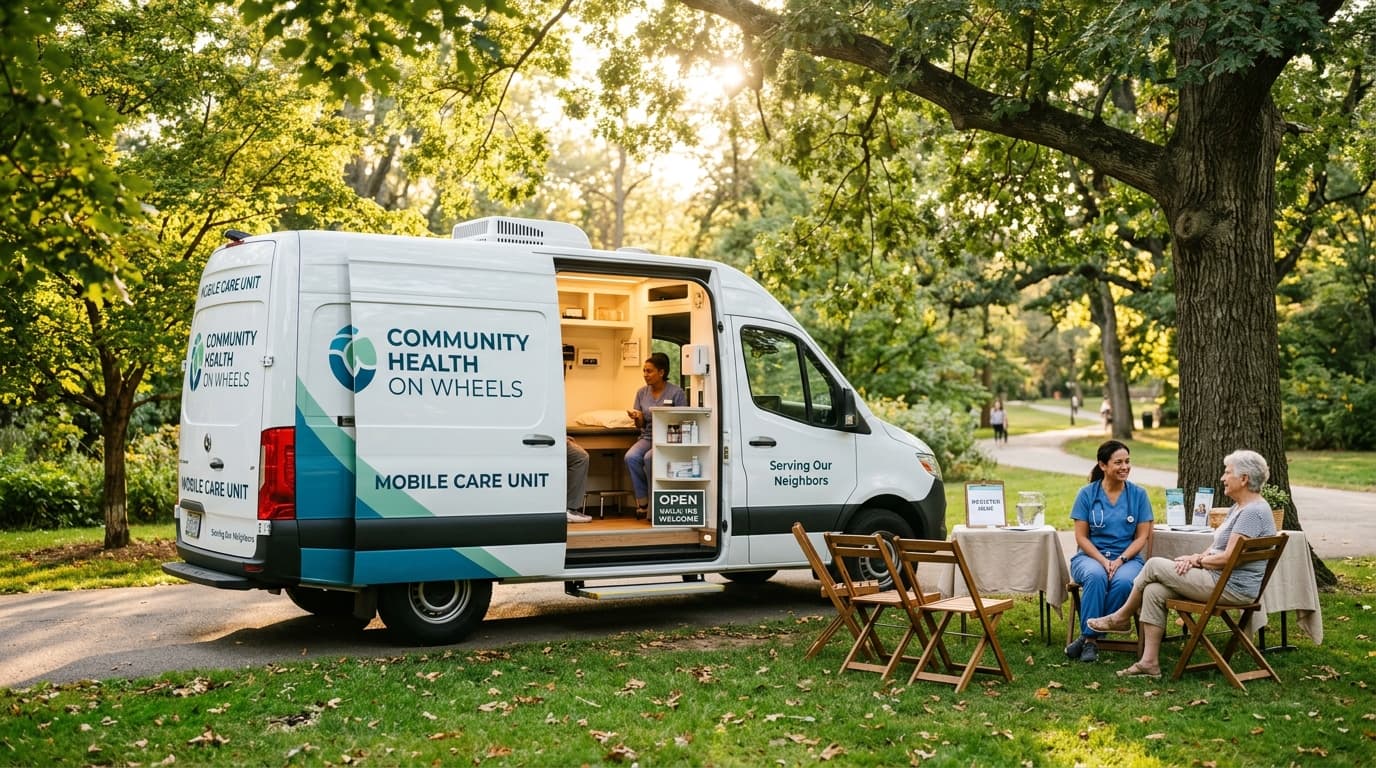
The success of any community campaign hinges on flawless early-morning logistics. At 07:30, mobile medical units position themselves at Central City Plaza to establish dedicated triage queues, unfurl shade canopies, and power up diagnostic machinery. While medical personnel organize blood pressure monitors and finger-stick glucometers, logistics teams erect directional banners and establish Information Tent A. Much like managing complex stage logistics when building a board meeting timeline template for executive governance, public health setups demand strict adherence to protocol.
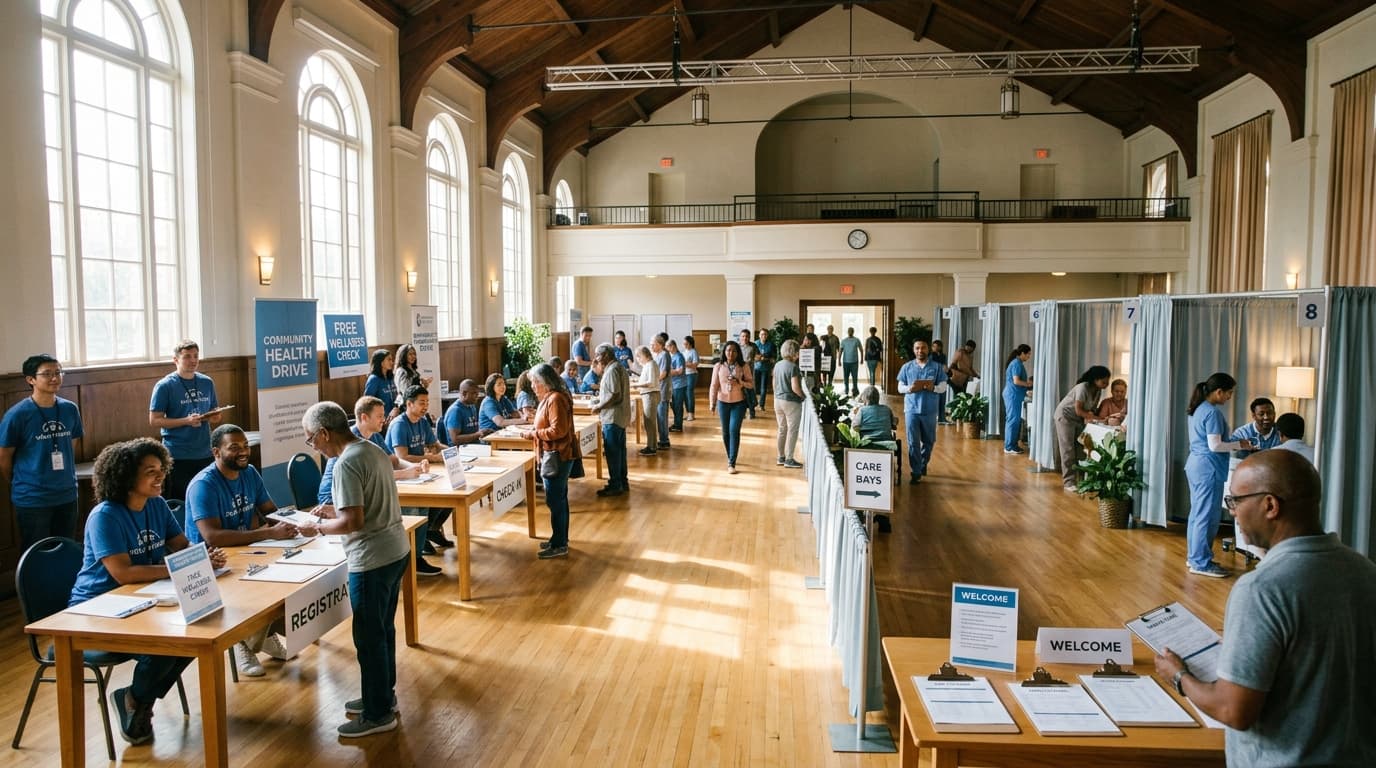
At 08:15, all clinical volunteers, safety marshals, and greeting staff assemble for a mandatory operational briefing. We review emergency medical protocols and patient flow routing to ensure smooth handoffs between screening desks and private counseling quarters. Following brief inaugural speeches by community leaders on the Main Stage at 08:45, the doors to the mobile screening units open at 09:15. Booking a solid two-hour block for baseline screenings allows doctors and nurses to handle high morning foot traffic without rushing delicate health discussions.
Phase 2: Midday Activations and Community Outreach
| Time | Event |
|---|---|
| 11:15 | Nutrition and Hydration Activation Stations |
| 12:15 | Community Healthy Lunch Break |
| 13:15 | Neighborhood Outreach Walk |
As morning screening queues settle into a steady tempo, the focus broadens to preventative lifestyle education. At 11:15, the Interactive Booth Zone opens with live cooking demonstrations that highlight budget-friendly meal preparation and daily nutrition. Attendees engage with practical exhibits, tasting healthy recipes and taking educational quizzes to win community wellness prizes.
At 12:15, operations transition to the Community Dining Area for a shared, nutritious lunch. Providing clinical staff, volunteers, and attendees with a complimentary meal encourages informal conversations around wellness while maintaining staff morale. Just as meal timing is critical when structuring a long celebration using an anniversary party schedule template, keeping your campaign team fed on time prevents afternoon burnout.
At 13:15, armed with fresh energy, field teams deploy for the Neighborhood Outreach Walk. Groups of trained health advocates walk through adjacent residential streets distributing educational literature and directly inviting local residents to afternoon workshops. Direct field outreach dramatically increases late-day attendance among demographics who might miss online announcements.
Phase 3: Afternoon Workshops, Movement, and Closing
| Time | Event |
|---|---|
| 14:45 | Hands-On First Aid and CPR Demonstration |
| 15:45 | Mental Wellbeing & Stress Management Panel |
| 16:30 | Community Fitness and Zumba Activation |
| 17:15 | Volunteer Recognition and Closing Ceremony |
The final block converts passive awareness into practical community skills. At 14:45, paramedics lead an interactive session in the Workshop Pavilion, giving citizens hands-on practice with CPR CPR training dummies. This practical experience builds personal confidence when responding to neighborhood medical emergencies.
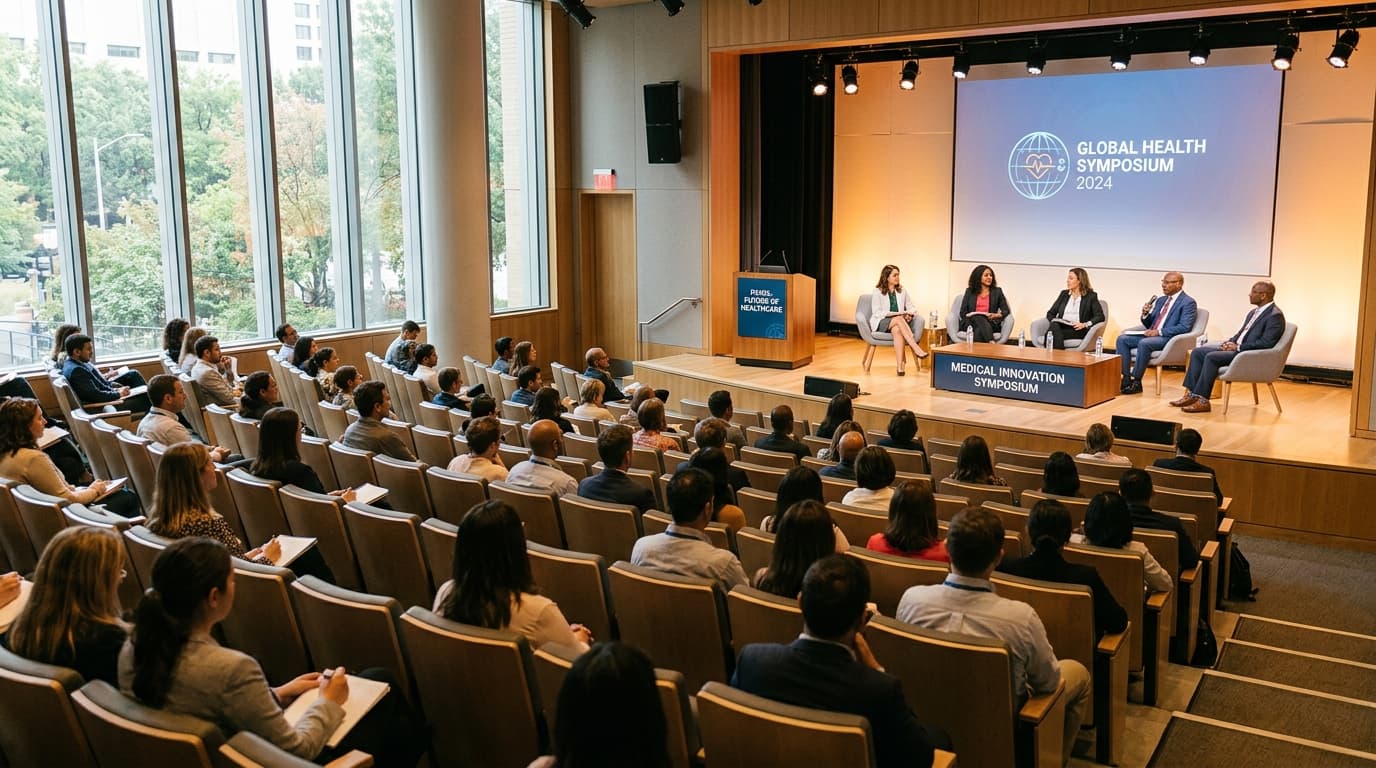
At 15:45, focus shifts to emotional health on the Main Stage during a moderated mental health panel. Anonymous Q&A cards allow audience members to ask sensitive questions without fear of social judgment, aligning with broad guidance from public outreach organizations such as the World Health Organization on destigmatizing mental health care.
To energize the crowd before wrap-up, a certified instructor leads a high-energy Zumba dance class on the Central Lawn at 16:30. This joyous, inclusive activity leaves participants on a high note. The campaign concludes at 17:15 with an official closing ceremony on the Main Stage, where public health leaders present certificates of appreciation to medical volunteers and publish preliminary screening tally totals. Similar to running structured social events with a birthday party timeline template or a baby shower timeline template, ending with explicit appreciation builds deep goodwill for future community programs.
Health Awareness Campaign Timeline vs Public Health Event Master Plan
While event planners often use terms interchangeably, a focused campaign schedule serves a very different operational purpose than an overarching campaign master plan.
| Health Awareness Campaign Timeline | Public Health Event Master Plan |
|---|---|
| Focus: Minute-by-minute execution on event day. | Focus: Multi-month campaign strategy and budgeting. |
| Audience: On-site medical staff, volunteers, and vendors. | Audience: Executive committees, municipal sponsors, and grant donors. |
| Key Output: Start times, activity zones, and stage cues. | Key Output: Resource allocations, legal permits, and epidemiological targets. |
| Flexibility: High real-time adaptability for crowd control. | Flexibility: Fixed baseline revised through formal milestone reviews. |
A daily campaign timeline coordinates immediate operational flow on the ground, whereas the master plan establishes overarching funding goals, regulatory compliance, and multi-channel marketing schedules in the months leading up to the event day.
Who Should Use This Template?
This structured schedule template provides a practical, turnkey solution for organizations delivering community-level preventative health programming:
- Municipal Health Departments: Structuring district health fairs, immunization drives, and public wellness days.
- Hospital and Healthcare Networks: Managing community outreach days, mobile mammography units, and public screening clinics.
- Non-Profit Organizations & NGOs: Conducting advocacy campaigns, disease prevention workshops, and health equity initiatives.
- Corporate Social Responsibility (CSR) Teams: Organizing employee wellness expos, blood drives, and community outreach programs.
- University Medical Centers: Executing student-led public health projects and community research activations.
Whether you are managing clinical staff, communications teams, or volunteer groups, Chronolio offers tailored solutions across various organizational roles to keep every department aligned.
How to Use This Template
- Download or Duplicate the Schedule: Start by importing this template directly into your free Chronolio account, or download offline planning copies via our .docx version or .pdf format.
- Adjust Operating Hours: Align the morning arrival times with your local municipal access permits and mobile unit transit schedules.
- Define Clinical Throughput: Adjust the duration of screening blocks based on the exact number of medical personnel and diagnostic stations available.
- Assign Zone Owners: Add dedicated staff leads for each location (Main Stage, Interactive Booths, Mobile Units) directly within your timeline view.
- Distribute Custom Schedules: Export filtered schedule views so volunteers, clinical teams, and stage speakers see only the times and locations relevant to their duties.
Tips for a Successful Health Awareness Campaign
- Establish a Clear Triage Area: Designate a single, highly visible intake tent near the main entry point to register attendees and issue queue tickets for screening units.
- Maintain Strict Patient Confidentiality: Position screening spaces inside enclosed mobile vehicles or behind opaque partition screens to preserve personal privacy during medical exams.
- Incorporate Multilingual Signage: Ensure all operational directions, informational pamphlets, and registration documents are translated into the primary languages spoken in the surrounding community.
- Plan for Waste Disposal: Provide marked biohazard containers, sharps disposal units, and standard trash bins across all medical zones, following standards outlined by agencies like the Centers for Disease Control and Prevention.
- Stagger Volunteer Breaks: Schedule rotating rest periods so activation booths and greeting stations remain continuously staffed throughout the afternoon.
- Prepare an Indoor Contingency Plan: Secure nearby indoor facilities or rain canopies in case inclemency impacts outdoor fitness or stage workshops.
Common Mistakes to Avoid
- Overbooking Clinical Staff: Avoid scheduling continuous medical screenings without mandatory rotation breaks; exhausted clinical staff increase error risks and patient wait times.
- Neglecting On-Site Signage: Visitors will wander off if directional arrows and station banners aren't placed at eye level along key walking paths.
- Underestimating Mobile Unit Setup: Assuming mobile medical vehicles can park and begin operating in under 15 minutes routinely leads to delayed campaign openings.
- Ignoring Crowd Dynamics During Speeches: Holding long, formal speeches during peak screening hours causes crowding and discourages attendees who arrived for health checks.
- Forgetting Anonymous Feedback Channels: Failing to provide anonymous suggestion boxes or digital survey codes prevents quiet participants from sharing sensitive health questions or feedback.
- Lacking Emergency Escalation Rules: Operating without a designated emergency transport lane or dedicated medical lead creates dangerous confusion during real health emergencies.
In Summary
- Purpose: A health awareness campaign timeline coordinates clinical care, public education, and field outreach into a cohesive operational day.
- Core Structure: Early technical setup, morning health screenings, midday lifestyle activations, and afternoon skills workshops.
- Key Advantage: Prevents clinical bottlenecks, protects patient privacy, and keeps community participation high across all zones.
- Adaptability: Suitable for city plazas, community centers, hospital campuses, and school grounds.
- Distribution: Easily shared in digital format or downloaded offline as a docx or pdf file for ground staff.
Organizing a impactful public health campaign demands careful coordination between clinical standards, public engagement, and field logistics. By following this structured timeline, municipal health teams, non-profit organizers, and healthcare providers can deliver a professional, safe, and memorable outreach event that genuinely elevates community wellbeing.
Customize Your Health Awareness Campaign Timeline