





This Template at a Glance
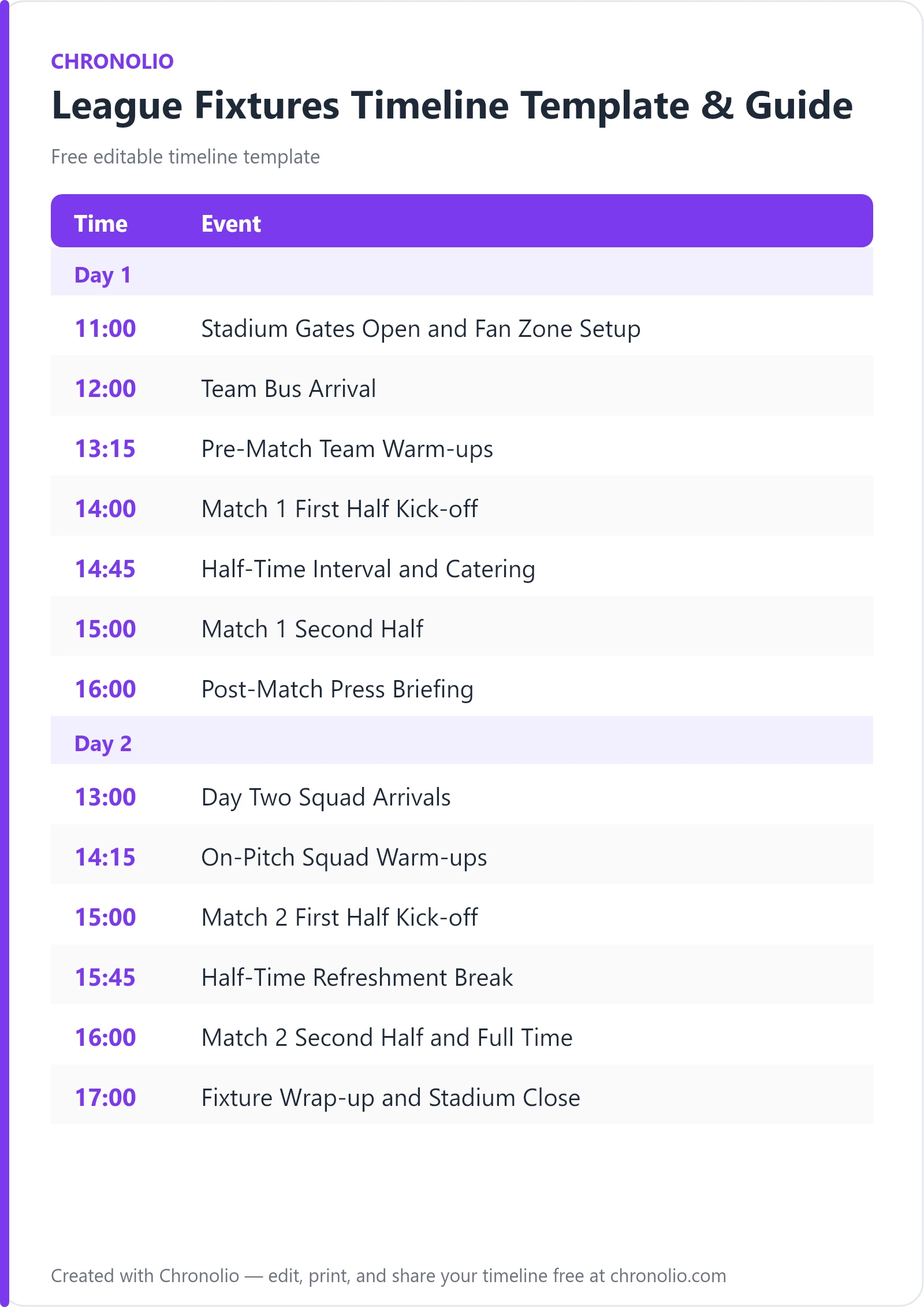
Here is the complete schedule this free template gives you — every time block, ready to edit, download, and share:
| Day | Time | Event |
|---|---|---|
| 1 | 11:00 | Stadium Gates Open and Fan Zone Setup |
| 1 | 12:00 | Team Bus Arrival |
| 1 | 13:15 | Pre-Match Team Warm-ups |
| 1 | 14:00 | Match 1 First Half Kick-off |
| 1 | 14:45 | Half-Time Interval and Catering |
| 1 | 15:00 | Match 1 Second Half |
| 1 | 16:00 | Post-Match Press Briefing |
| 2 | 13:00 | Day Two Squad Arrivals |
| 2 | 14:15 | On-Pitch Squad Warm-ups |
| 2 | 15:00 | Match 2 First Half Kick-off |
| 2 | 15:45 | Half-Time Refreshment Break |
| 2 | 16:00 | Match 2 Second Half and Full Time |
| 2 | 17:00 | Fixture Wrap-up and Stadium Close |
What Is a League Fixtures Timeline?
A league fixtures timeline is the central operational schedule used by sports administrators, stadium operations managers, and competition directors to run multi-match league events seamlessly. Beyond a simple fixture list showing who plays whom, this timeline provides a precise, minute-by-minute running order for every physical phase of matchday. It governs stadium gate openings, team charter bus arrivals, pitch availability windows for tactical drills, exact kick-off times, broadcast breaks, press auditorium access, and post-match stadium clearing.
Having spent over fifteen years directing matchday operations across regional and national sports grounds, I can tell you that a well-structured fixture schedule is the single best buffer against broadcast penalties, delayed kick-offs, and concourse overcrowding. This template reflects proven sports governance best practices and real-world stadium logistics, ensuring your matchday staff, safety personnel, and visiting squads remain synchronized throughout the tournament weekend.
Build Your League Fixtures Timeline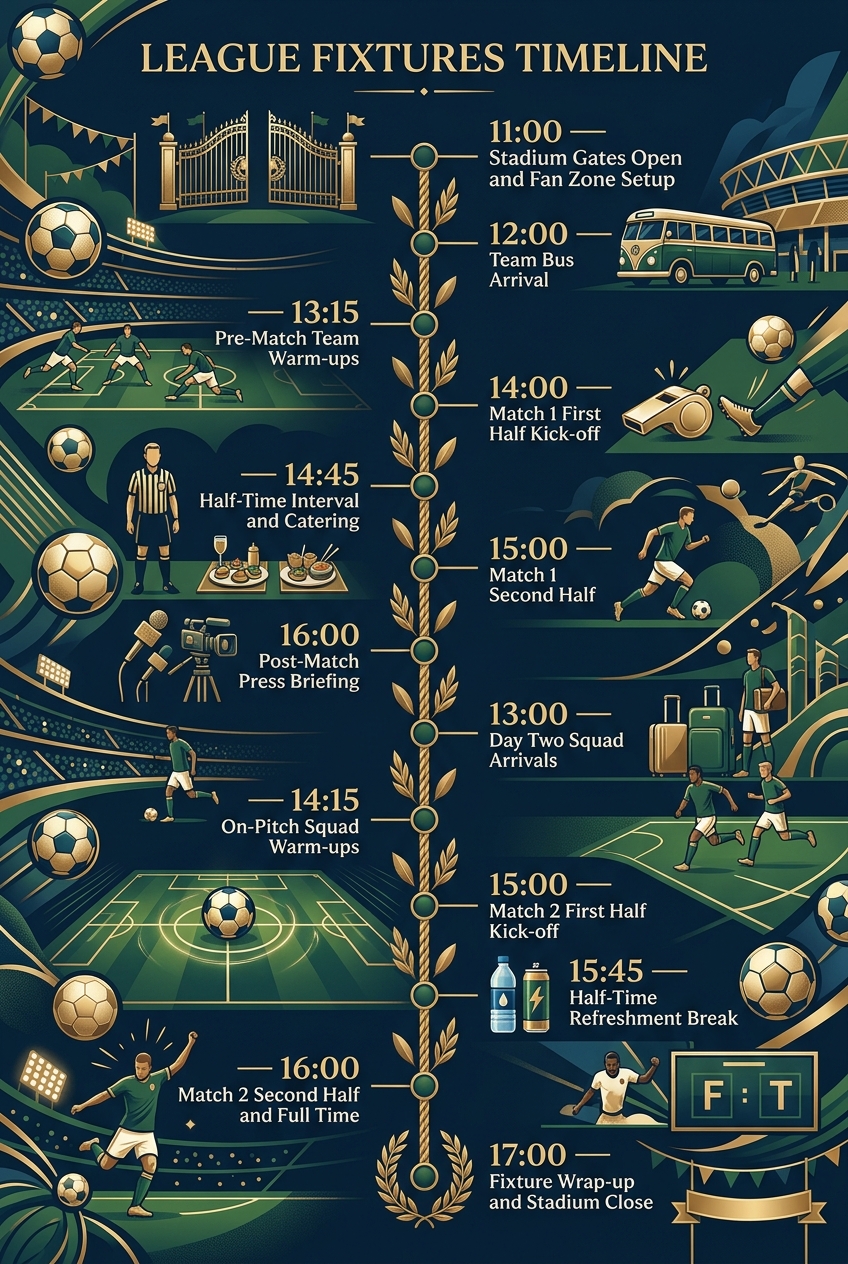
Why League Fixtures Need a Timeline
Running a multi-match weekend without a master timeline is a recipe for operational chaos. When team buses get caught in spectator traffic or pitch warm-ups run five minutes over schedule, the ripple effect delays broadcast coverage, frustrates paying spectators, and stretches venue security resources thin. A dedicated fixture schedule acts as a single source of truth for every department on site.
First and foremost, a detailed timeline protects competition integrity and player welfare. Athletes require predictable schedules to time their physiological warm-ups, nutrition, and dressing room briefings. Supplying teams with strict arrival and pitch access times guarantees equitable pre-match preparation for both home and visiting squads.
Furthermore, commercial partners and host venues rely on military precision. Broadcast networks purchase strict advertising windows around kick-off, while stadium concessionaires need clear expectations for concourse footfall peaks during half-time breaks. When everyone works off the same running order, stadium operations transition smoothly from preliminary fan zone activities to post-match media pressers.
What to Include in a League Fixtures Timeline
To ensure comprehensive matchday governance, your running order should cover all essential operational milestones across both match days:
- Venue Access & Fan Zone Activation: Gate opening times, concession setup, and merchandise booth activation in stadium plazas.
- Squad Transit & Tunnel Logistics: Timed bus drop-offs at the player tunnel, dressing room allocation, and squad kit checks.
- Pitch Availability Windows: Dedicated slots for goalkeeper drills, full-squad stretching, and target shooting on the main pitch.
- Official Match Protocol: FIFA/league pre-match handshakes, referee inspections, and precise first and second half kick-offs.
- Concourse & Catering Intervals: Timed half-time breaks to manage fan flow and food vendor operations.
- Post-Match Media Operations: Dedicated media center press conferences for head coaches and star players.
- Egress & Venue Lockup: Controlled spectator departure, bus boarding, and final ground clearance by safety stewards.
Day One: Fan Zone Activation and Opening Match Kick-Off
The opening day sets the tone for the entire league weekend. Operations begin in the outer concourse to absorb early spectator arrivals before shifting focus to team bus arrival in the stadium tunnel and pre-match tactical warm-ups on the main pitch.
| Time | Event |
|---|---|
| 11:00 | Stadium Gates Open and Fan Zone Setup |
| 12:00 | Team Bus Arrival |
| 13:15 | Pre-Match Team Warm-ups |
| 14:00 | Match 1 First Half Kick-off |
Opening the stadium gates early at Metropolitan Stadium Plaza allows food trucks and merchandise sellers to generate venue revenue while staggering crowd ingress through turnstiles. By the time the official team buses arrive at the tunnel at 12:00, security personnel have cleared the player corridor so athletes can transition immediately to their dressing rooms.
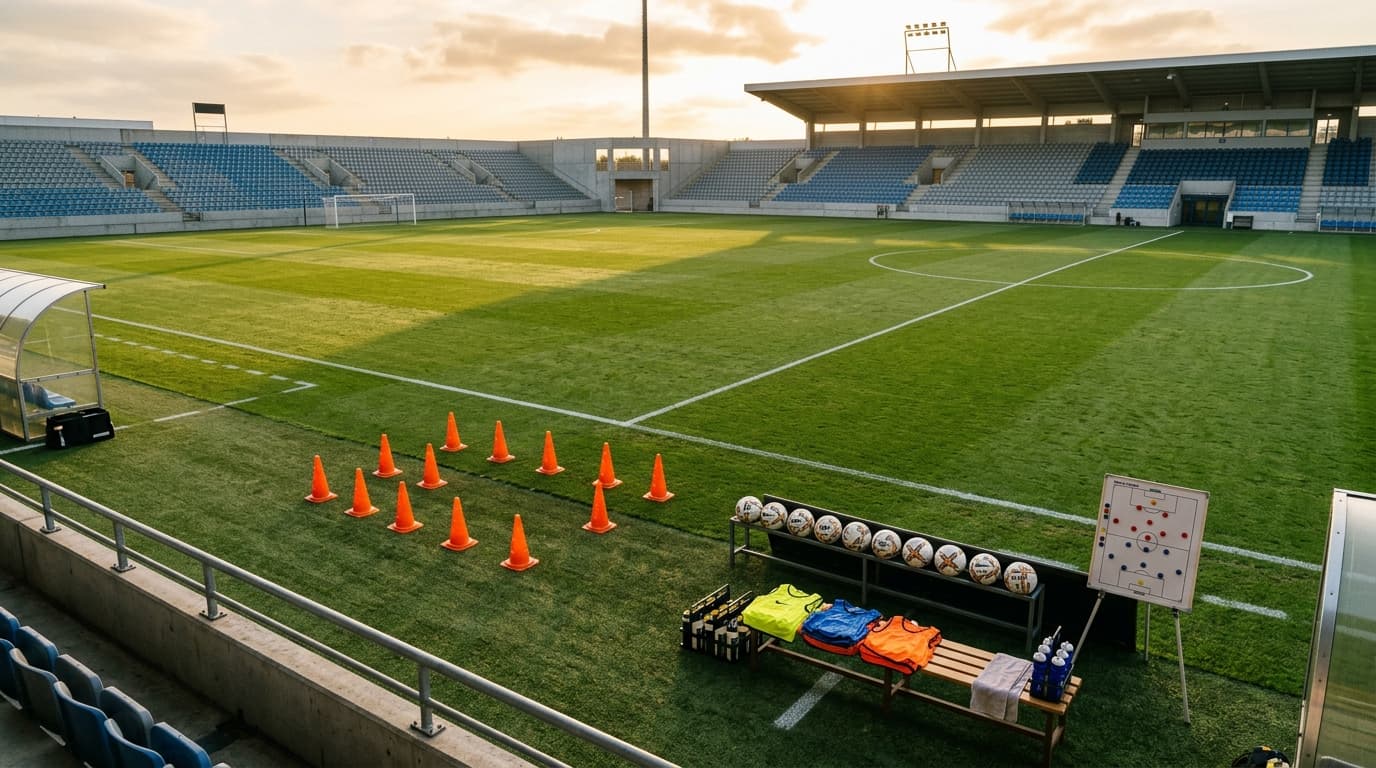
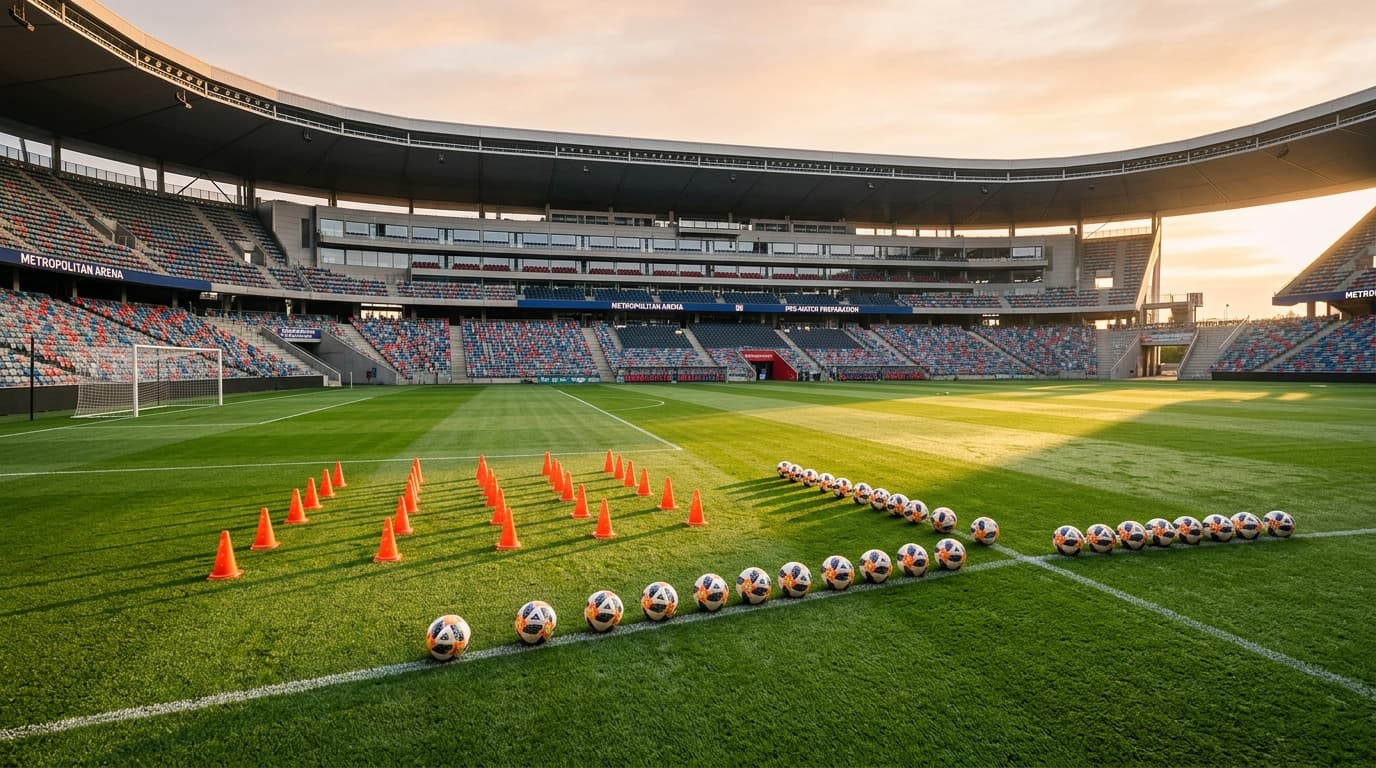
Pitch access for warm-ups is capped strictly at thirty minutes. This brief window gives starting line-ups and substitutes enough time to conduct sprint drills and ball work while allowing groundskeeping teams fifteen minutes before kick-off to clear training cones and inspect pitch markings.
Day One: Second Half Execution and Post-Match Media Briefing
Once the whistle blows for the first half, venue focus shifts to maintaining crowd flow through concourses and facilitating swift post-match media access in the auditorium.
| Time | Event |
|---|---|
| 14:45 | Half-Time Interval and Catering |
| 15:00 | Match 1 Second Half |
| 16:00 | Post-Match Press Briefing |
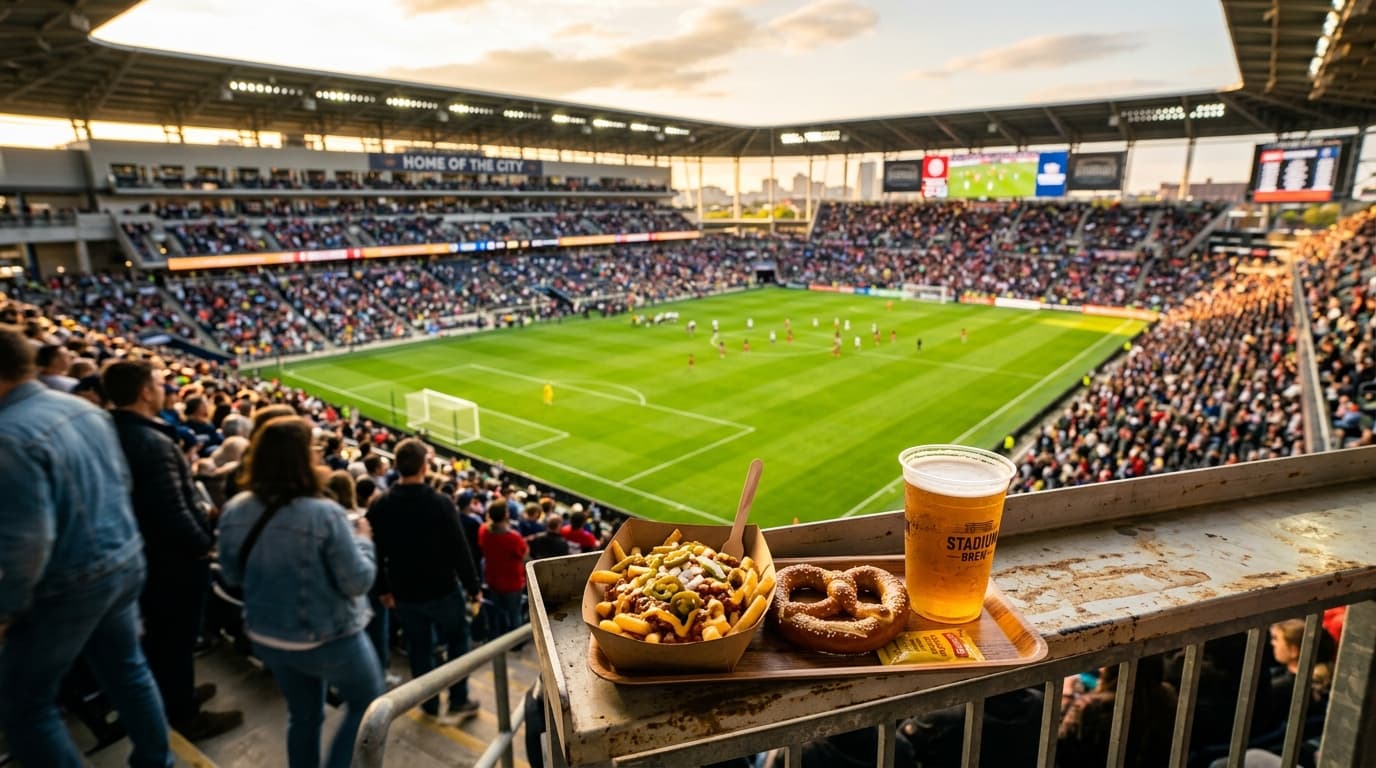
The fifteen-minute half-time interval requires maximum staff coordination across stadium concessions. While players receive tactical adjustments in changing rooms, concourse staff manage heavy queue lines to ensure spectators return to their seats before the 15:00 whistle.
Following the final whistle of Match 1, key players and head coaches head directly to the Metropolitan Stadium Media Center. Adhering to the 16:00 press timeline ensures national media outlets receive their post-match quotes and broadcast soundbites on deadline. When organizing administrative oversight for league executive boards during fixture weekends, administrators frequently adapt our board meeting timeline template to keep executive briefings concise.
Day Two: Squad Arrival and Pre-Match Preparation
Day two shifts the competition to Riverside Arena, requiring a fresh operational routine tailored to Sunday afternoon kick-offs and charter coach arrivals.
| Time | Event |
|---|---|
| 13:00 | Day Two Squad Arrivals |
| 14:15 | On-Pitch Squad Warm-ups |
Sunday fixtures often run on condensed pre-match schedules. Squads arrive at Riverside Arena's players entrance two hours before kick-off, providing ample time for medical taping, kit checks, and preliminary tactical meetings.
On-pitch squad warm-ups kick off at 14:15. Starters and substitutes use the primary pitch for high-intensity passing drills and sprints under the direction of fitness coaches, adhering to safety parameters detailed by the Sports Ground Safety Authority.
Day Two: Match Execution, Full Time, and Grounds Clearance
The final phase of the league weekend demands careful management of second-half match momentum, referee protocols, fan egress, and stadium egress.
| Time | Event |
|---|---|
| 15:00 | Match 2 First Half Kick-off |
| 15:45 | Half-Time Refreshment Break |
| 16:00 | Match 2 Second Half and Full Time |
| 17:00 | Fixture Wrap-up and Stadium Close |
Match 2 kicks off precisely at 15:00 following official player line-ups and handshakes in accordance with international standard regulations like the IFAB Laws of the Game. The rapid fifteen-minute half-time break keeps the match on schedule for a 16:45 full-time whistle.
Once the referee signals full time, security stewards initiate orderly crowd egress towards public transport hubs while stadium teams wrap up facility operations. While commercial matchdays follow strict regulatory protocols, social celebrations around sports clubs—such as milestone anniversaries—often draw on complementary structures like an anniversary party schedule template or even a birthday party timeline template for private suite hosting. Similarly, team family hospitality suites hosting private gatherings during off-seasons occasionally adapt a baby shower timeline template for relaxed suite management.
League Fixtures Timeline vs Matchday Operations Plan
It is easy to confuse a league fixtures timeline with a broader matchday operations plan. While both serve sports event administration, they differ significantly in scope, primary users, and level of detail.
| Feature | League Fixtures Timeline | Matchday Operations Plan |
|---|---|---|
| Primary Focus | Minute-by-minute order of sports matches, warm-ups, and media | Full stadium infrastructure, staffing rosters, and safety manuals |
| Main Users | Teams, referees, broadcast directors, match coordinators | Stadium managers, security contractors, local council, emergency services |
| Time Horizon | Matchday running order (hour-by-hour) | Weeks to months of pre-event planning & post-event reviews |
| Format | Chronological sequence table & time slots | Comprehensive multi-page operational document |
A league fixtures timeline focuses exclusively on keeping the sporting spectacle running on time, whereas the operations plan handles back-of-house logistics like turnstile staffing levels and traffic management orders.
Who Should Use This Template?
This fixture timeline is designed for sports administrators and venue directors across various levels of competition. Chronolio provides tailored tools for all the different roles involved in organising complex event schedules.
- Professional Sports Leagues: Managing multi-venue weekend fixtures with strict broadcast contracts.
- Regional & Collegiate Athletic Associations: Coordinating multi-team tournaments across central sports complexes.
- Stadium Operations Managers: Aligning concourse catering, gate security, and pitch access with match play.
- Tournament Directors & Match Coordinators: Ensuring referees, teams, and medical staff strictly follow kick-off times.
- Grassroots Sports Clubs: Scaling down professional match protocols for local weekend competitions.
How to Use This Template
Implementing this timeline for your upcoming league weekend takes just a few steps:
- Download or Duplicate the Template: Select your preferred format using our downloadable files below or hit the edit button to customize online.
- Set Your Match Dates & Venues: Input your specific stadium names, pitch numbers, and fixture dates.
- Adjust Kick-Off Times: Shift timing blocks to match your league's broadcast agreements or facility booking windows.
- Distribute to Key Stakeholders: Share final PDF or Word copies with team managers, match officials, venue security, and media personnel at least 48 hours prior to gameday.
You can download this complete schedule in editable formats here:
Tips for a Successful League Fixtures Timeline
- Build in Pitch Buffers: Always leave at least 15 minutes between the end of team warm-ups and kick-off to allow grounds teams to clear equipment and prepare the turf.
- Sync Clocks Across Departments: Ensure stadium operations, referee teams, and broadcast trucks synchronize their master clocks before gates open.
- Brief Team Liaison Officers Early: Send exact bus arrival windows and locker room access times to team managers during pre-match mid-week production meetings.
- Stagger Spectator Gate Openings: Open plaza fan zones 60 to 90 minutes before stadium bowl turnstiles to disperse entry queues evenly.
- Clear Tunnel Corridors: Keep player tunnels clear of unauthorized media and staff 15 minutes prior to bus arrivals and pitch walks.
- Post Schedules in Locker Rooms: Print physical copies of the match running order and affix them near locker room whiteboards for coaching staff.
Common Mistakes to Avoid
- Overrunning Pitch Warm-ups: Allowing teams extra warm-up minutes delays kick-off and risks substantial television broadcasting fines.
- Ignoring Concourse Capacity Limits: Failing to align half-time duration with food stall service speeds leads to overcrowded concourses and missed second-half starts.
- Uncoordinated Media Windows: Scheduling press briefings without strict time limits causes delays for visiting team charter buses.
- Neglecting Referee Timing Needs: Forgetting to allocate dedicated pre-match pitch inspection times for match officials causes sudden schedule changes.
- Lack of Contingency Buffers: Not planning for injury stoppage time or extra time in knockout fixtures disrupts subsequent match kick-offs.
In Summary
- Master Operational Tool: A league fixtures timeline synchronizes team arrivals, warm-ups, kick-offs, media pressers, and stadium egress.
- Multi-Venue Capable: Designed to manage consecutive matchdays across different stadium locations like Metropolitan Stadium and Riverside Arena.
- Broadcast & Safety Compliant: Maintains strict kick-off windows required by television networks and stadium safety authorities.
- Fully Customizable: Easily adapted for professional football leagues, collegiate athletics, or grassroots sports tournaments.
- ** downloadable Formats:** Available in Word (.docx) and PDF for immediate printing and distribution to stadium staff.
Managing a smooth league weekend requires complete synchronization between teams, stadium staff, and broadcast directors. Use this proven fixture schedule template to eliminate matchday delays, safeguard player preparation, and give fans an unforgettable stadium experience.
Build Your League Fixtures Timeline