




This Template at a Glance
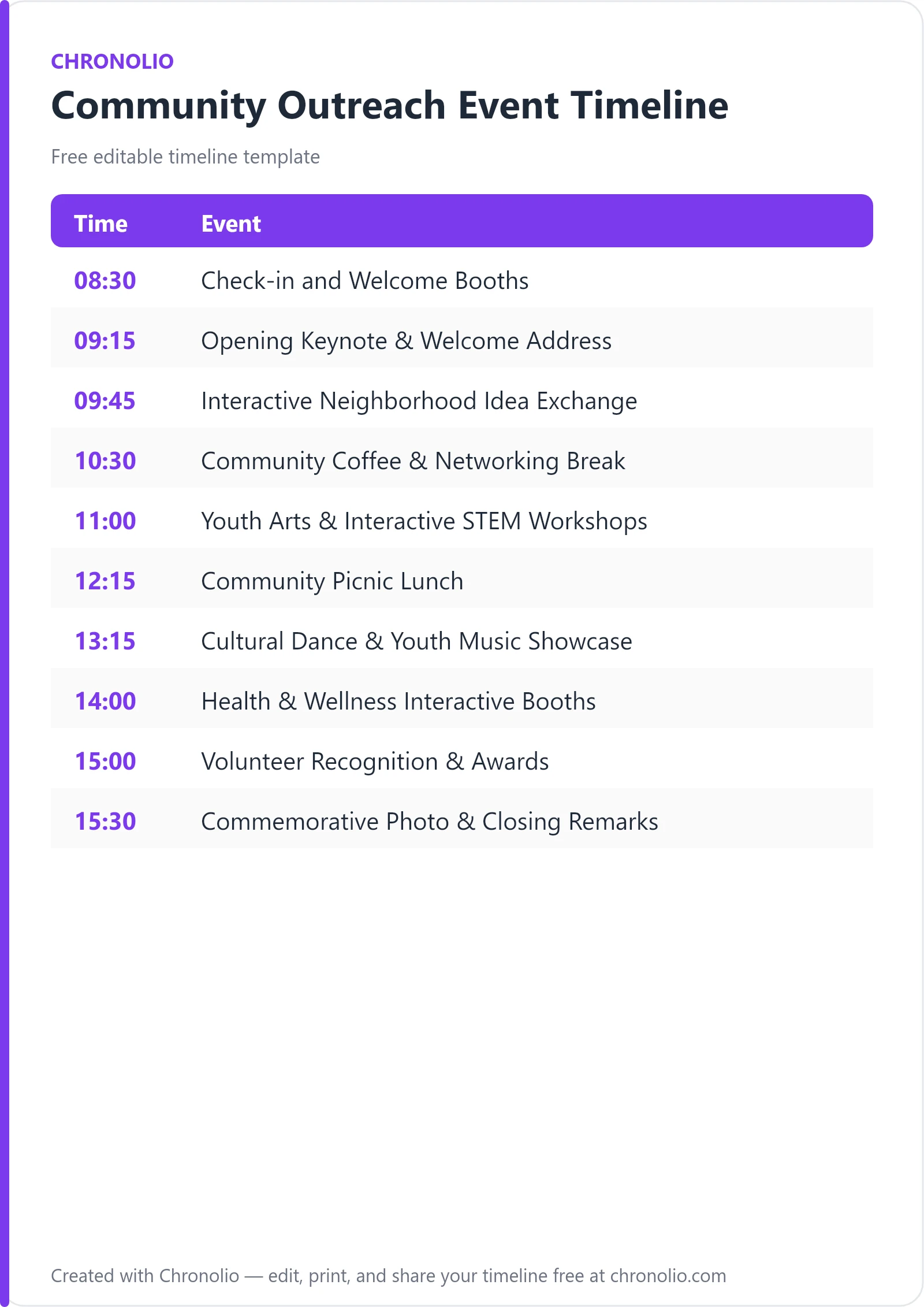
Here is the complete schedule this free template gives you — every time block, ready to edit, download, and share:
| Time | Event |
|---|---|
| 08:30 | Check-in and Welcome Booths |
| 09:15 | Opening Keynote & Welcome Address |
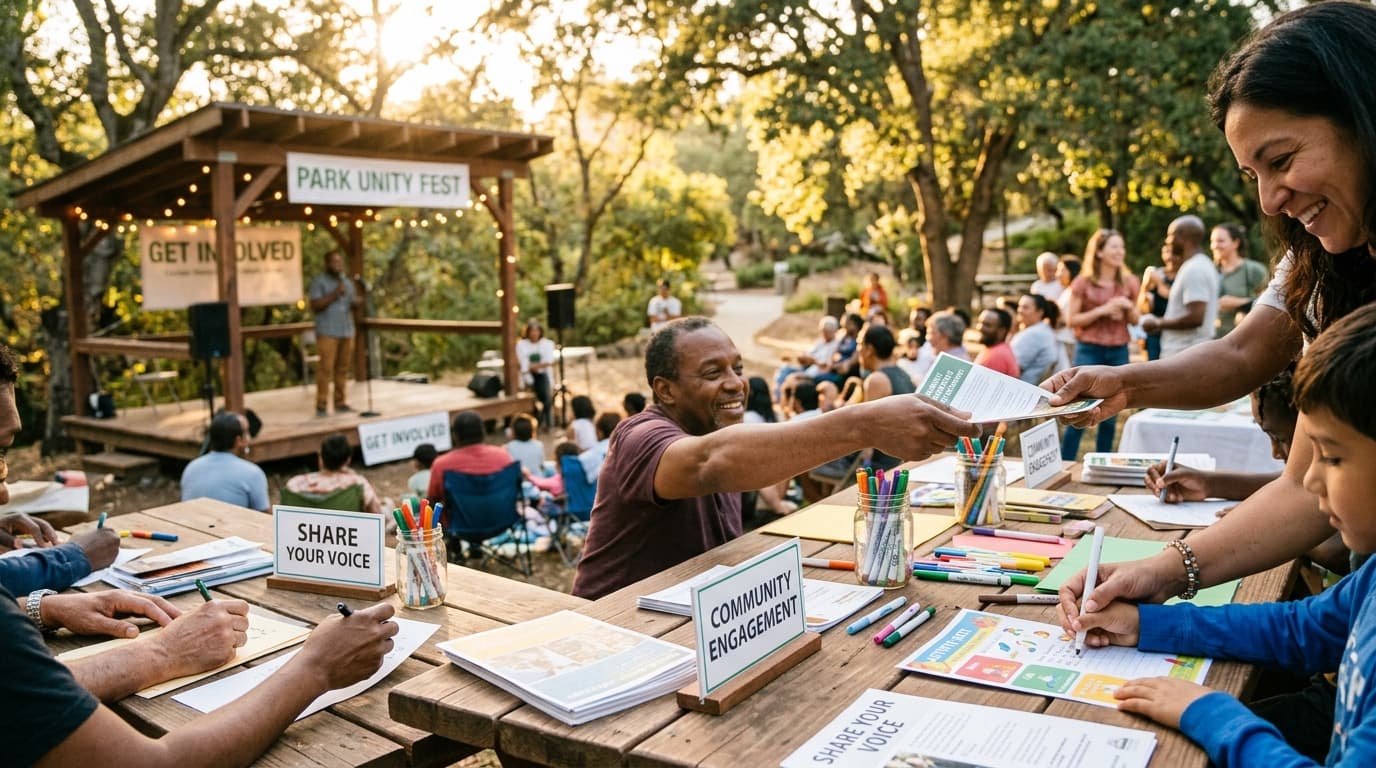
| 09:45 | Interactive Neighborhood Idea Exchange |
| 10:30 | Community Coffee & Networking Break |
| 11:00 | Youth Arts & Interactive STEM Workshops |
| 12:15 | Community Picnic Lunch |
| 13:15 | Cultural Dance & Youth Music Showcase |
| 14:00 | Health & Wellness Interactive Booths |
| 15:00 | Volunteer Recognition & Awards |
| 15:30 | Commemorative Photo & Closing Remarks |
What Is a Community Outreach Event Timeline?
A community outreach event timeline is an operational master schedule that maps out every public activation, stage presentation, workshop, and break period throughout a neighborhood event. Designed to keep public consultations, health fairs, and community block parties running seamlessly, it ensures that staff, local officials, and participants share a clear roadmap of the day's proceedings.
Whether you are coordinating municipal initiatives, non-profit resource fairs, or grassroots neighborhood summits, a detailed running order prevents venue bottlenecks, maintains public interest, and respects speaker allocations. This template reflects real-world community outreach event structures refined across hundreds of public gatherings, incorporating tested buffers for crowd movement and multi-zone programming.
Build Your Community Outreach Event Timeline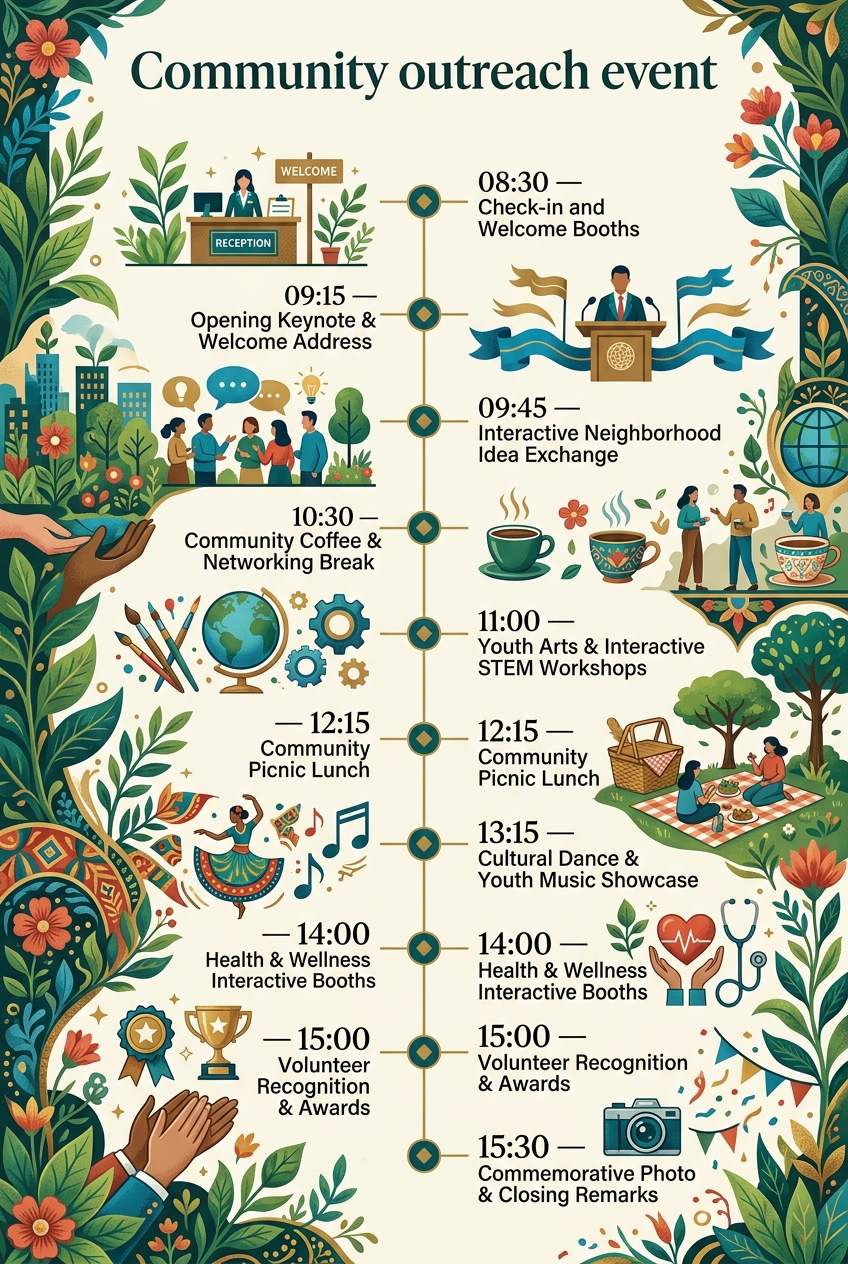
Why Community Outreach Events Need a Timeline
Public gatherings involving non-profit sponsors, municipal leaders, local vendors, and multi-generational families require tight operational coordination. Without a rigorous running order, crowd flow stalls at welcome gates, critical public feedback sessions run over time, and main-stage speakers overlap with youth activities. A unified schedule gives volunteer coordinators and stage leads the certainty required to manage complex logistics across multiple event zones simultaneously.
A published schedule also improves the participant experience by letting local residents plan their visit around specific highlights, such as health screenings or cultural performances. When municipal partners see a well-structured agenda, it establishes organizational credibility and reassures sponsors that public funds are being managed professionally.
Furthermore, multi-partner initiatives often involve cross-functional planning between administrative boards and field operators. If your outreach project requires formal approval from executive leadership beforehand, coordinate your internal planning milestones using our Board Meeting Timeline Template (Free Schedule) to keep governance alignment on track.
What to Include in a Community Outreach Event Timeline
To keep local residents engaged and informed, a robust community outreach schedule should incorporate the following core components:
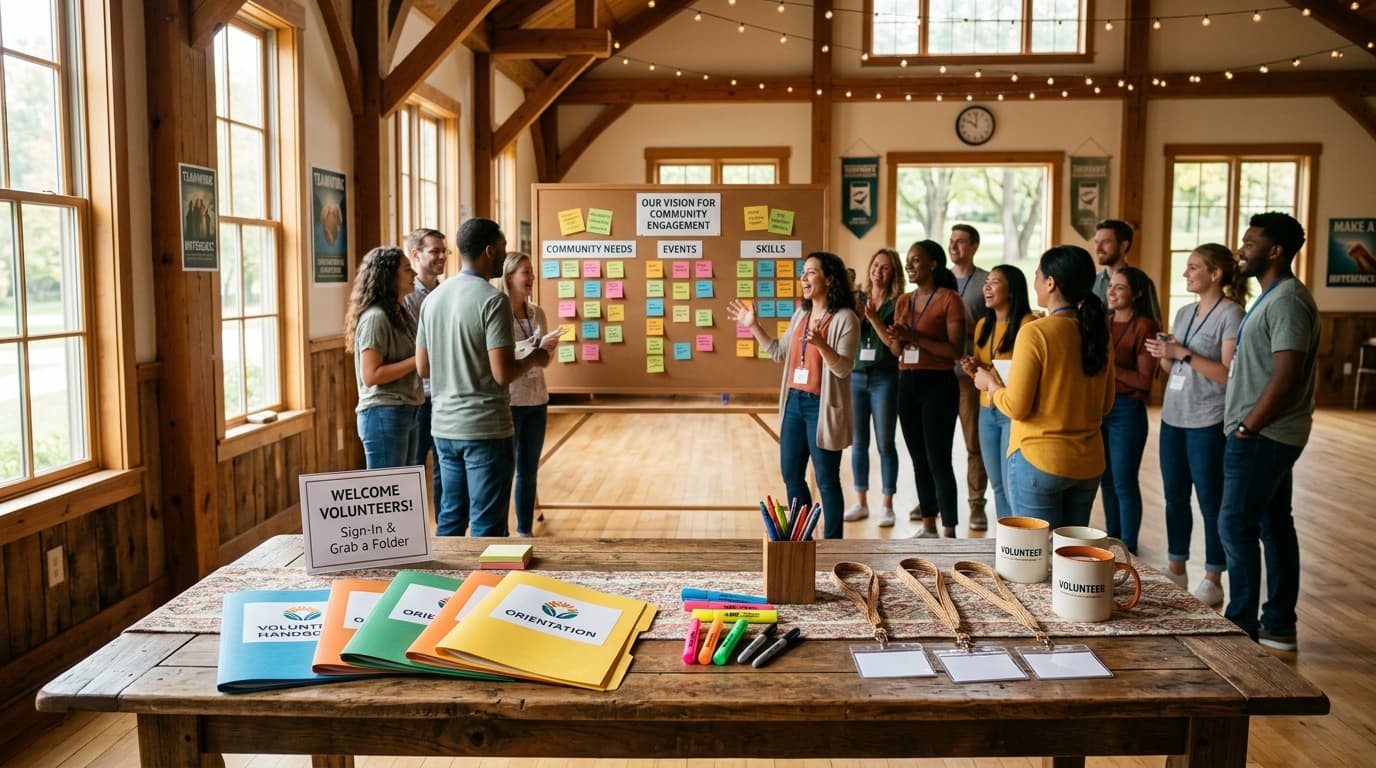
- Arrival and Sign-In Phase: A dedicated check-in period supported by directional signage, schedule distribution, and volunteer orientation.
- Civic Addresses & Keynotes: Opening remarks from neighborhood advocates, elected officials, or project directors setting community goals.
- Interactive Engagement Hubs: Structured feedback stations, public mapping boards, and visioning exercises where citizens voice local priorities.
- Breakouts and Networking: Dedicated refreshment windows that encourage informal conversation between neighbors and civic leaders.
- Multi-Generational Activations: Parallel youth STEM activities, art projects, and health and wellness booths catering to families.
- Cultural Demonstrations: Music, dance, or theatrical performances that highlight neighborhood diversity and sustain event energy.
- Volunteer & Sponsor Recognition: Formal awards and public appreciation ceremonies acknowledging community contributions.
- Wrap-Up & Group Photo: Final closing remarks, summary of key survey findings, and a commemorative photo opportunity.
Phase 1: Morning Check-in and Neighborhood Exchange
| Time | Event |
|---|---|
| 08:30 | Check-in and Welcome Booths |
| 09:15 | Opening Keynote & Welcome Address |
| 09:45 | Interactive Neighborhood Idea Exchange |
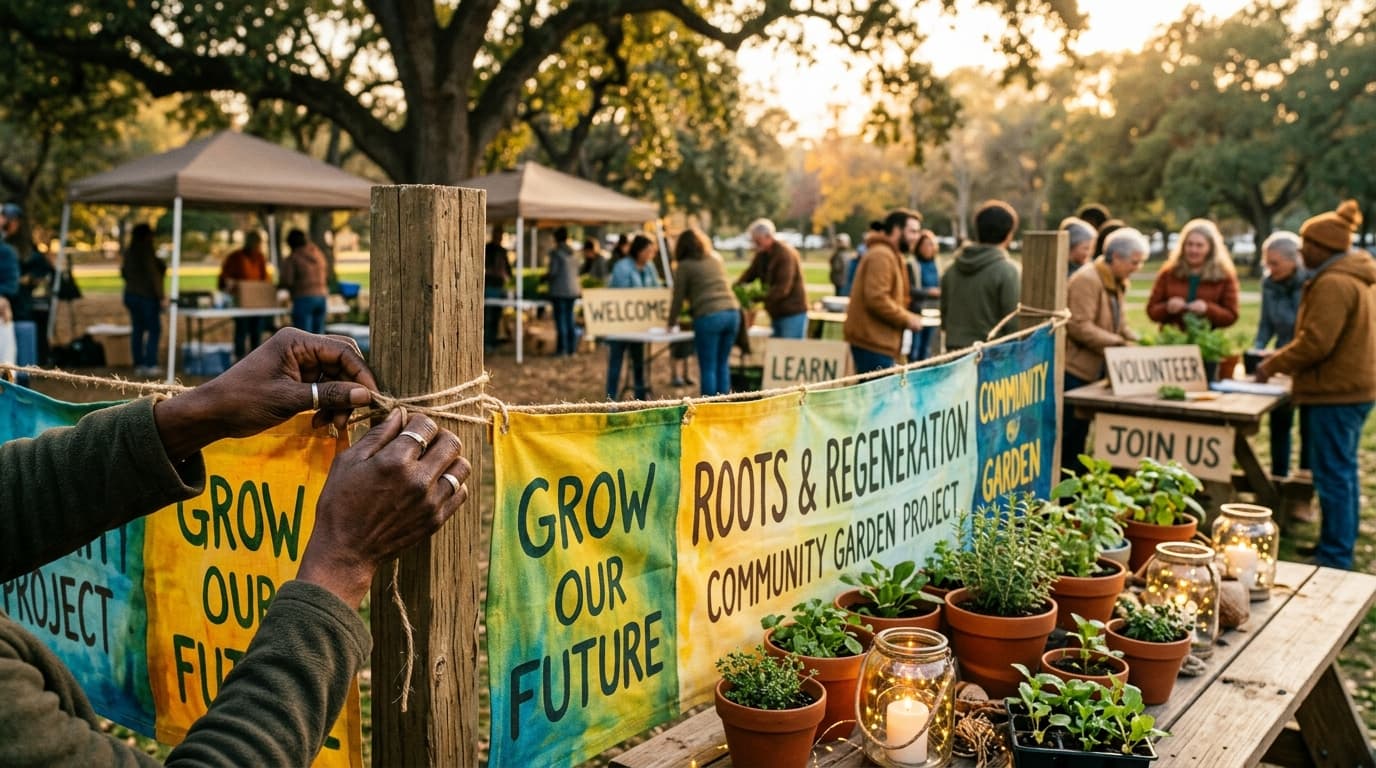
The opening phase sets a welcoming, organized tone for the entire neighborhood. Establishing a smooth intake process at the Main Entrance Plaza allows early arrivals to collect welcome packets and orient themselves before formal activities start. Volunteers stationed at sign-in tables ensure smooth registration while directing crowds toward the main assembly area.
08:30 AM - Check-in & Registration Area Opens 09:15 AM - Welcome Address on Community Stage 09:45 AM - Interactive Idea Exchange in Engagement Pavilion
At 09:15, attention transitions to the Community Stage for the formal welcome address. Keeping this keynote under 30 minutes maintains high energy while effectively communicating local objectives. Immediately following, attendees move into the Engagement Pavilion for the interactive mapping session. This flow encourages public participation early in the day while attendees are rested and focused, following broad civic engagement guidelines supported by organizations like the National Civic League.
Phase 2: Midday Break, Youth STEM, and Community Lunch
| Time | Event |
|---|---|
| 10:30 | Community Coffee & Networking Break |
| 11:00 | Youth Arts & Interactive STEM Workshops |
| 12:15 | Community Picnic Lunch |
Following intense civic discussion, the schedule transitions into informal social connection and hands-on family programming. A dedicated 30-minute networking break on the Refreshment Lawn gives residents time to process ideas, talk with stall vendors, and enjoy local bakery refreshments.
10:30 AM - Coffee & Networking on Refreshment Lawn 11:00 AM - Youth STEM & Mural Workshops in Tents A & B 12:15 PM - Community Picnic Lunch in Dining Meadow
By 11:00, interactive youth workshops begin in Activity Tents A & B. Running STEM experiments and collaborative mural painting concurrently with main-stage discussions ensures families with children remain fully involved. Managing large family crowds during these festive hours relies on principles similar to those found in our Birthday Party Timeline Template (Free Agenda & Guide) and Baby Shower Timeline Template (Free Schedule & Guide), where activity timing must align with participant attention spans.
A shared picnic lunch at 12:15 serves as a central social anchor. Positioning food trucks and acoustic background music in the Dining Meadow creates a relaxed atmosphere that builds community bonds.
Phase 3: Cultural Youth Showcase and Health Screenings
| Time | Event |
|---|---|
| 13:15 | Cultural Dance & Youth Music Showcase |
| 14:00 | Health & Wellness Interactive Booths |
The early afternoon energy shifts toward celebration, cultural expression, and essential health service provision. Re-engaging the crowd after lunch requires lively, visually captivating stage programming, which is delivered by local youth dance and music troupes on the Community Stage at 13:15.
01:15 PM - Cultural Performances on Community Stage 02:00 PM - Health & Wellness Booths Open in Courtyard
At 14:00, the focus moves toward practical community care inside the Wellness Courtyard. Free health screenings, CPR demonstrations, and educational workshops run simultaneously, enabling visitors to consult with medical professionals at their own pace. Structuring these public service booths across a full 60-minute window prevents queue overcrowding and respects patient privacy during consultations.
Phase 4: Volunteer Honors and Closing Ceremony
| Time | Event |
|---|---|
| 15:00 | Volunteer Recognition & Awards |
| 15:30 | Commemorative Photo & Closing Remarks |
The final hour celebrates collective effort and outlines next steps for community action. Gathering participants back at the Community Stage at 15:00 provides a public platform to recognize local champions, neighborhood leaders, and corporate sponsors whose financial or volunteer support made the day possible.
03:00 PM - Volunteer Awards on Community Stage 03:30 PM - Closing Remarks & Group Photo at Amphitheater
The event concludes at the Main Amphitheater Steps with a brief summary of the feedback gathered throughout the day, followed by a commemorative community group photo at 15:30. Capturing this shared milestone builds momentum for future civic projects. For organizations celebrating multi-year milestones or historical neighborhood achievements, consider pairing your broader event strategy with our Anniversary Party Schedule Template (Free Agenda & Guide).
Community Outreach Event Timeline vs Event Program
While often used interchangeably, a detailed execution schedule and a public event program serve fundamentally different purposes during public activations:
| Operational Feature | Community Outreach Event Timeline | Public Event Program |
|---|---|---|
| Primary Audience | Staff, volunteers, AV techs, and stage leads | Event attendees and neighborhood visitors |
| Level of Detail | Minute-by-minute operational queues, zone locations | Overview of key stage times, highlights, map |
| Internal Logistics | Includes vendor load-in, tech checks, volunteer shifts | Highlights public speaker bios and sponsor logos |
| Primary Goal | Flawless tactical execution and timeline adherence | Attendee navigation and engagement |
A timeline provides the behind-the-scenes master plan for execution teams, whereas an event program offers a high-level overview for public participants. Maintaining both documents ensures that staff manage precise logistics while attendees enjoy a clear, accessible overview of public activities.
Who Should Use This Template?
This master schedule template is engineered for broad application across municipal, corporate, and non-profit engagement sectors. chronolio supports the diverse roles required to run successful community events, making this framework ideal for:
- Municipal Planning Agencies: City departments hosting urban development consultations, transit feedback sessions, or public park openings.
- Non-Profit Organizations: Grassroots charities running health fairs, advocacy days, and social service resource expos.
- Community Relations Teams: Corporate enterprises managing neighborhood social responsibility initiatives and local grant rollouts.
- Neighborhood Associations: Local resident committees organizing block parties, community garden launches, and safety summits.
- School Districts & Youth Centers: Educational bodies hosting multi-school sports, STEM, or arts expos open to the general public.
How to Use This Template
- Download the Master File: Choose between our editable Community Outreach Event DOCX or ready-to-print Community Outreach Event PDF.
- Establish Venue Zones: Map your specific site layout—such as park plazas, school halls, or civic pavilions—to match the activity zones listed in the schedule.
- Adjust Stage Allocations: Tailor keynote speaker durations and cultural showcase slots based on your confirmed speaker lineup and performer agreements.
- Assign Zone Leaders: Delegate specific time blocks and venue spaces to designated volunteer coordinators and staff leads.
- Distribute to Partners: Share the completed operational master schedule with AV crews, catering services, municipal liaisons, and emergency response personnel at least one week prior to the event.
Tips for a Successful Community Outreach Event
- Build in Arrival Buffers: Always schedule a 45-minute registration window before formal stage presentations begin to accommodate late arrivals and parking delays.
- Establish Clear Signage: Position large, weather-resistant schedule boards near welcome desks and dining areas to guide crowds between zones without relying on staff announcements.
- Cross-Train Volunteer Captains: Brief volunteer leads across all zones so they can redirect public crowds seamlessly as activities transition.
- Provide Hydration and Shade: Ensure outdoor engagement zones feature covered tents, seating options, and accessible water refill stations to maintain attendee comfort.
- Centralize Public Feedback: Consolidate vision boards and survey collection points near high-traffic areas like the refreshment zone to maximize survey responses.
- Test Audio-Visual Gear Early: Conduct full microphone, stage speaker, and display screen checks at least one hour before gates open to prevent technical delays during keynotes.
Common Mistakes to Avoid
- Overcrowding the Stage Schedule: Booking too many consecutive keynotes leads to speaker overruns and listener fatigue. Keep formal talks concise and intersperse them with interactive sessions.
- Ignoring Multi-Generational Needs: Failing to provide youth activities forces parents to leave early. Always run children's arts or STEM workshops alongside adult public consultations.
- Neglecting Buffer Times for Movement: Assuming 500 people can transition from a stage address to breakout tents in zero minutes creates bottleneck bottlenecks. Allocate 10-15 minute movement windows.
- Single-Queue Catering Setups: Forcing all attendees through one lunch line stalls the schedule. Distribute catering stalls across multiple food points to speed up lunch service.
- Omitting Post-Event Data Capture: Forgetting to collect survey responses before final photos limits event impact. Integrate feedback loops directly into interactive pavilion sessions.
In Summary
- Comprehensive Structure: Covers a 7.5-hour operational footprint balancing civic addresses, workshops, meals, and cultural activations.
- Multi-Zone Navigation: Coordinates activities across main plazas, stages, pavilions, lawns, and amphitheaters without schedule overlap.
- Balanced Engagement: Blends formal community planning with relaxed networking, youth education, and live entertainment.
- Public-Sector Ready: Designed for non-profits, municipal departments, neighborhood committees, and corporate social responsibility teams.
- Adaptable Execution: Downloadable in both Word and PDF formats for rapid site customization and team distribution.
Planning a seamless public gathering requires clear communication, defined operational responsibilities, and structured time management. By following this proven framework, municipal teams, volunteer coordinators, and grassroots leaders can execute memorable public activations that build lasting civic engagement. Customize your master plan today using our interactive editor.
Build Your Community Outreach Event Timeline