





This Template at a Glance
Here is the complete schedule this free template gives you — every time block, ready to edit, download, and share:
| Time | Event |
|---|---|
| 17:30 | Guest Arrival and Registration |
| 18:00 | Welcome Drinks and Silent Auction Preview |
| 18:45 | Ballroom Seating |
| 19:00 | Opening Welcome Address |
| 19:20 | Gala Dinner Service |
| 20:20 | Keynote Impact Presentation |
| 20:35 | Live Auction Block - Phase 1 |
| 21:20 | Dessert and Coffee Service |
| 21:35 | Live Auction Block - Phase 2 and Fund-a-Need |
| 22:15 | Closing Remarks and Toast |
| 22:30 | Item Checkout and Pick-Up |
What Is a Charity Auction Event Timeline?
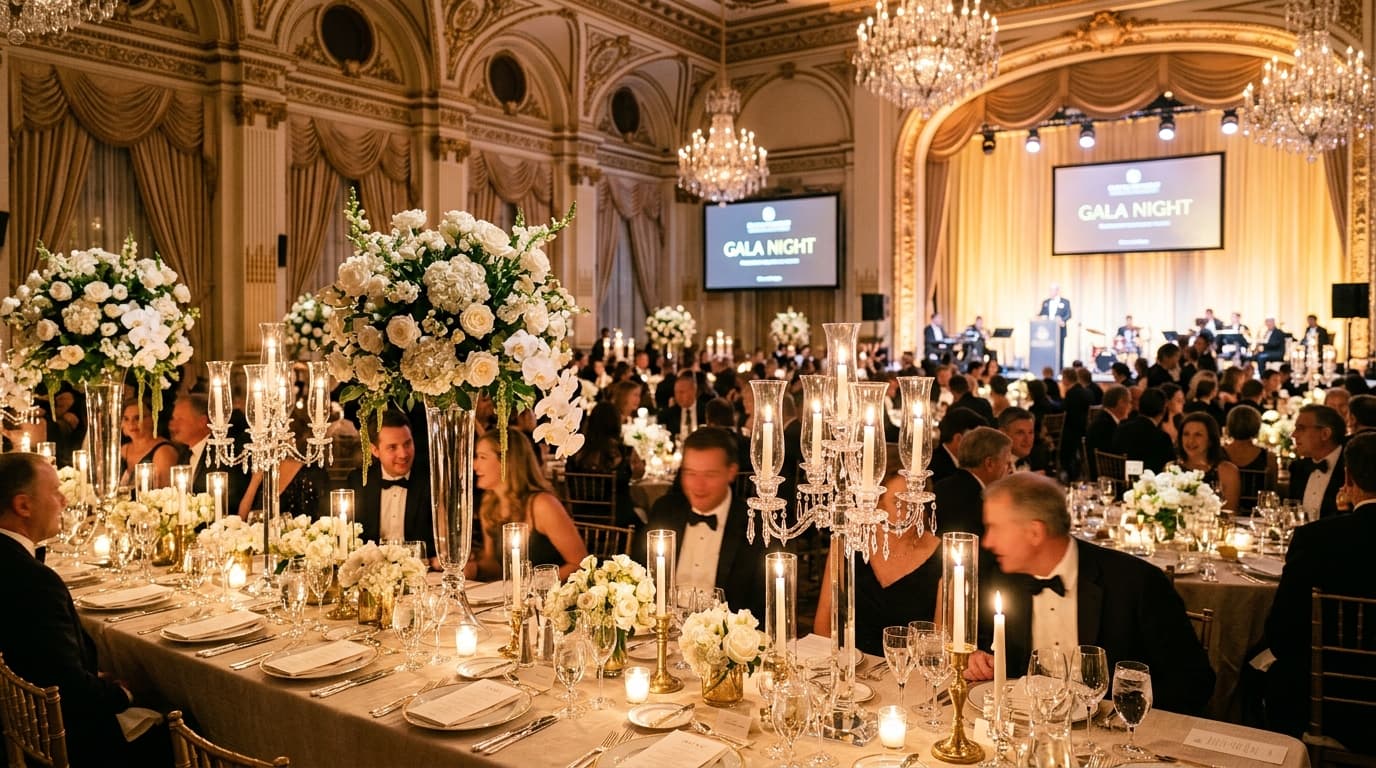
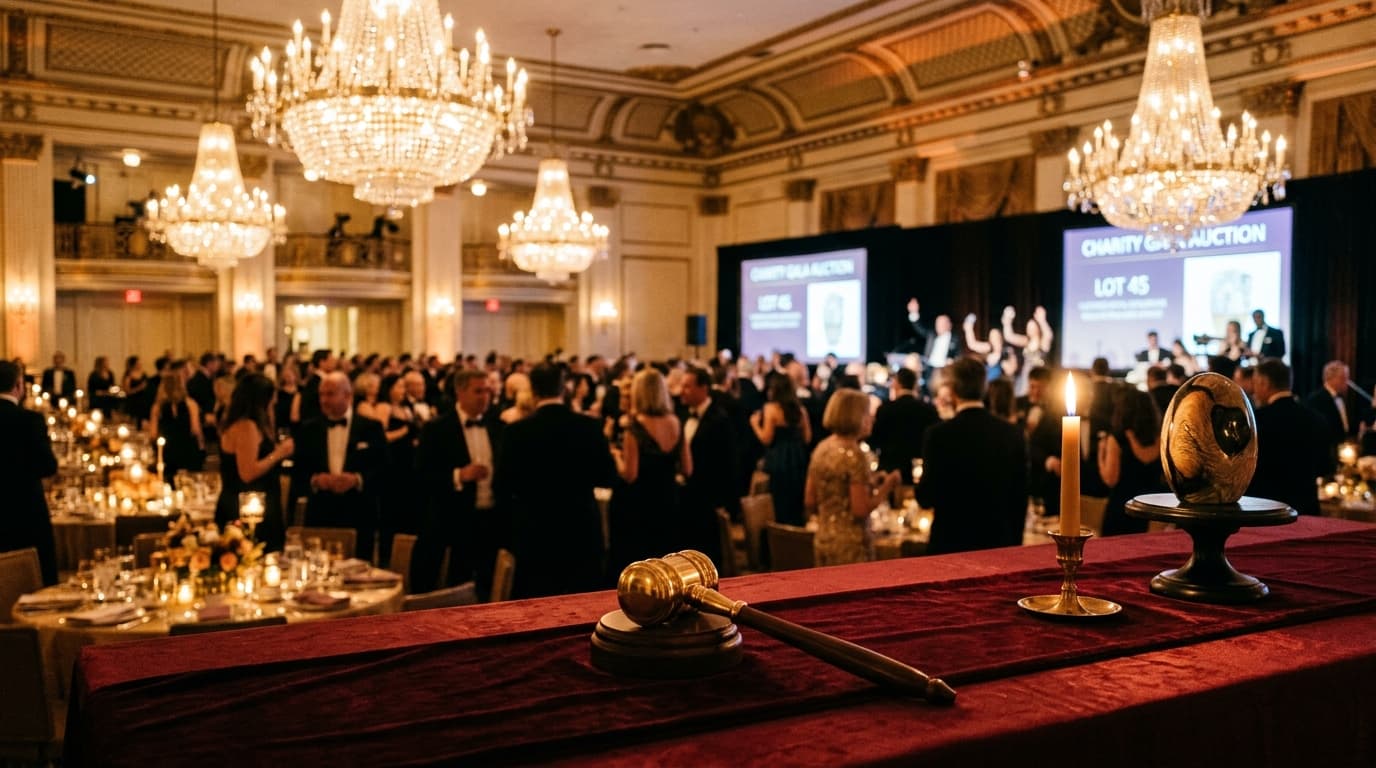
A charity auction event timeline is the operational master schedule that synchronizes venue operations, catering, technical production, and fundraising activities during a benefit gala. Having managed dozens of high-profile galas from behind the curtain, I can tell you that fundraising events require much tighter precision than typical social gatherings. Every minute of the evening directly impacts guest goodwill, donor engagement, and bottom-line pledge totals.
This template incorporates industry best practices for nonprofit galas, establishing an intentional rhythm between social networking, dinner service, emotional storytelling, and competitive bidding. By structuring your event with clear transitions, you give donors space to relax and socialize while ensuring the benefit auctioneer has an energized room when high-value items hit the block.
Customize Your Charity Auction Event Timeline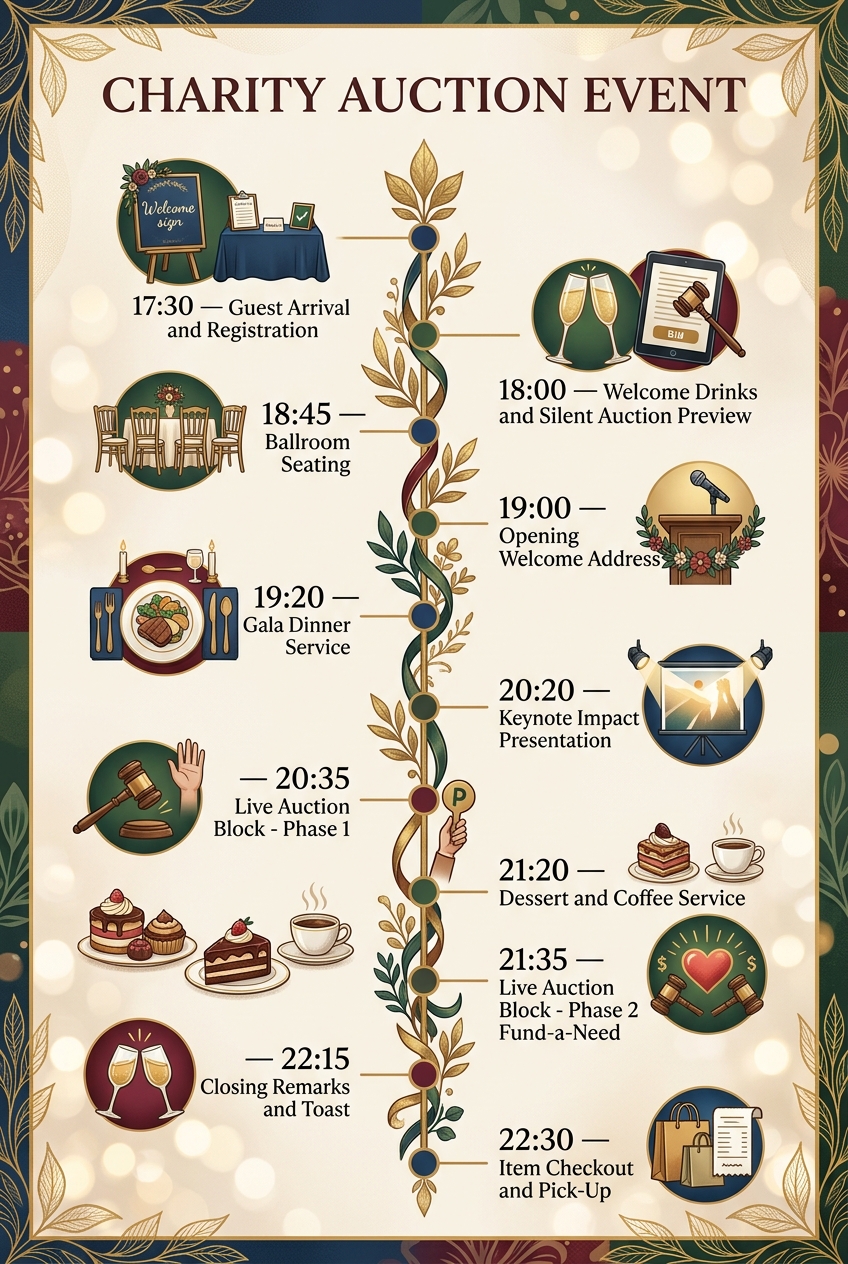
Why Charity Auction Events Need a Timeline
A well-constructed schedule serves as the central alignment tool for venue operators, auction staff, catering directors, and foundation leaders. Without a central run of show, caterers may clear plates during crucial bid appeals, or silent auction tables may close late, suppressing opening bids.
- Maintains Guest Momentum: Donors who are tired, hungry, or confused do not bid generously. A predictable rhythm keeps energy high throughout the evening.
- Synchronizes Complex Vendors: Live bidding requires seamless cooperation between the benefit auctioneer, lighting technicians, spotters, and banquet captains.
- Protects Revenue Production: Explicit time blocks ensure key appeals like the "Fund-a-Need" receive prime placement when emotional impact is highest.
Planning early governance and committee approvals using a board meeting timeline helps establish your fundraising targets long before drafting your master event day schedule.
What to Include in a Charity Auction Event Timeline
A professional fundraising schedule accounts for both guest hospitality and backstage logistical needs. Every gala schedule should explicitly contain:
- Registration & Guest Arrival: Check-in protocols, bid card assignment, and credit card pre-authorization.
- Silent Auction Preview: Designated time for guests to inspect gift-in-kind displays and place preliminary bids.
- Formal Room Transition: Clear auditory and visual cues nudging guests into the main dining hall.
- Mission Storytelling & Keynote: Impact statements, beneficiary testimonials, or video presentations that reinforce purpose.
- Live Auction Blocks & Paddle Raise: Scheduled windows for high-value live items and direct donation appeals.
- Item Checkout & Settlement: Structured redemption desk operations for payment processing and item collection.
Phase 1: Guest Reception and Silent Auction Preview
| Time | Event |
|---|---|
| 17:30 | Guest Arrival and Registration |
| 18:00 | Welcome Drinks and Silent Auction Preview |
| 18:45 | Ballroom Seating |
The opening phase sets the tone for donor generosity. When doors open at 17:30 in the Grand Foyer, streamlined registration desks prevent bottlenecking by capturing pre-authorized credit cards and issuing bidding paddles immediately upon entry. Welcome staff should guide guests smoothly from registration toward the Exhibition Hall for complimentary drinks and item browsing.
During the welcome reception, keeping light background music down allows guests to converse easily while viewing display tables. The 45-minute silent auction window allows attendees to examine physical items, ask questions of item curators, and place initial digital bids. At 18:45, chime signals and house light flashes encourage guests to leave the exhibition hall and take their assigned ballroom seats before formal program remarks begin. Managing guest movement here is as deliberate as coordinating guest arrival for an anniversary party schedule.
Phase 2: Opening Address and Gala Dinner
| Time | Event |
|---|---|
| 19:00 | Opening Welcome Address |
| 19:20 | Gala Dinner Service |
Promptly at 19:00, the gala chair opens the formal program on the main stage, setting expectations and stating the night's financial target. Keeping this initial welcome address under twenty minutes prevents meal delay while giving leadership space to acknowledge key sponsors and foundation trustees.
Dinner service begins at 19:20. Serving a high-caliber multi-course meal requires tight coordination between banquet supervisors and stage managers. Keeping major program elements off the stage during the main course allows guests to enjoy dinner, talk with table captains, and finish their meals without distraction.
Phase 3: Keynote Impact and Live Auction Block 1
| Time | Event |
|---|---|
| 20:20 | Keynote Impact Presentation |
| 20:35 | Live Auction Block - Phase 1 |
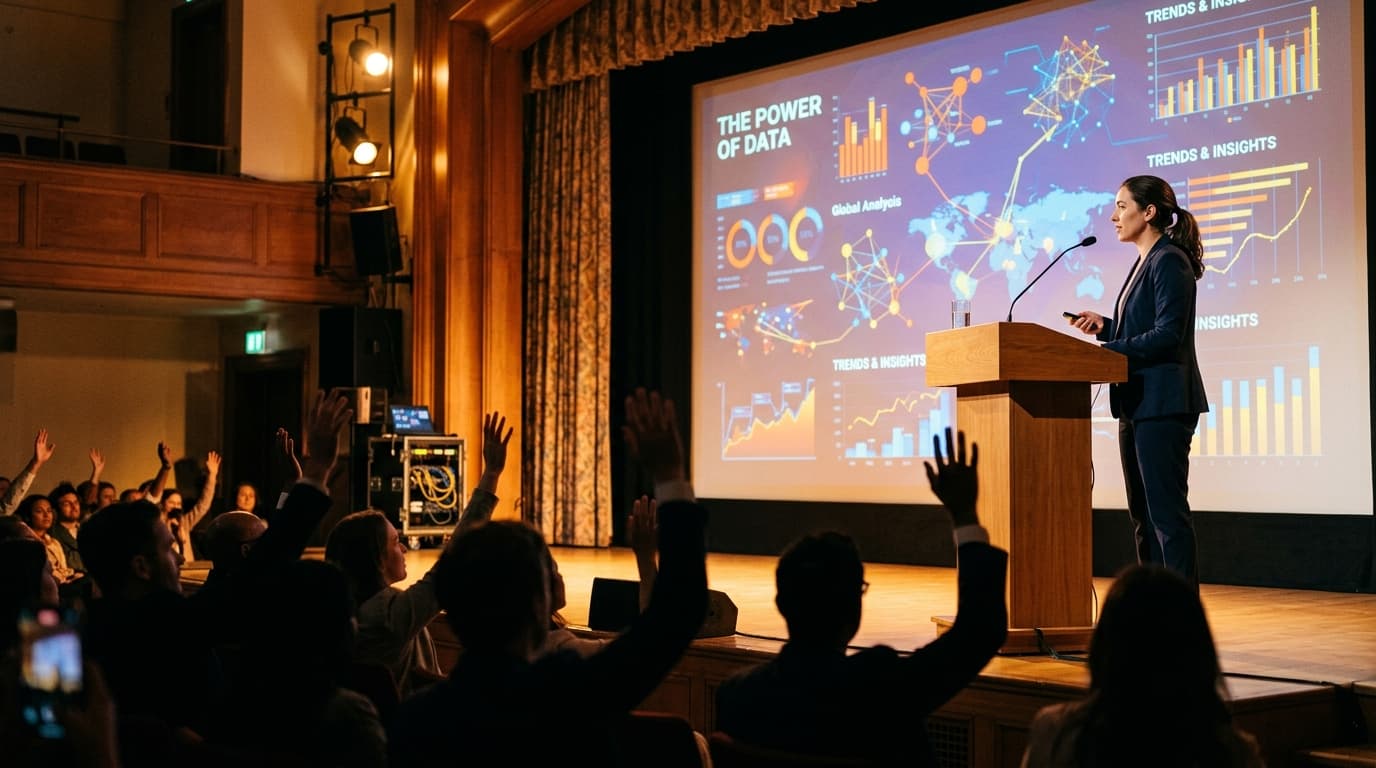
At 20:20, as dinner plates are cleared, the focal point shifts back to the main stage for the keynote presentation. This moment bridges guest hospitality with emotional mission engagement. A featured speaker or beneficiary shares direct accounts of how foundation funds alter lives, building the emotional momentum needed for competitive live bidding.
Immediately following the presentation at 20:35, the professional benefit auctioneer takes the stage for Phase 1 of the live auction. Striking while donor empathy is highest, the auctioneer introduces premier experience packages and high-value donated art. Spotters positioned around the perimeter record winning paddle numbers quickly to keep bidding energetic. Similar precise cues are often seen when pacing program segments on a christian wedding timeline.
Phase 4: Dessert, Live Auction Block 2, and Fund-a-Need
| Time | Event |
|---|---|
| 21:20 | Dessert and Coffee Service |
| 21:35 | Live Auction Block - Phase 2 and Fund-a-Need |
A brief 15-minute intermission at 21:20 allows guests to enjoy dessert and coffee served at their tables while floor captains gather paddle slips from Phase 1. This quick breathing room keeps guests comfortable and prevents auction fatigue before entering the evening's largest revenue segment.
Bidding resumes at 21:35 with Phase 2, featuring headline travel items. The auctioneer transitions directly into the "Fund-a-Need" (or direct paddle raise). This segment asks every guest in the room to raise their paddle at tiered cash gift levels (e.g., $10,000 down to $100). Because there are no physical items attached to Fund-a-Need pledges, clear visual recording by bid spotters is essential to log every donor accurately.
Phase 5: Closing Toast and Item Checkout
| Time | Event |
|---|---|
| 22:15 | Closing Remarks and Toast |
| 22:30 | Item Checkout and Pick-Up |
The formal program concludes at 22:15 with brief remarks from the board president. Presenting a live update of preliminary fundraising totals celebrates donor impact and sends guests off on a high note. A brief champagne toast reinforces community gratitude before guests leave their tables.
At 22:30, the concierge desk opens for item checkout and pick-up. Utilizing cloud-based bidding tools speeds up checkout by settling balances against credit cards registered during check-in. Volunteers fetch physical silent auction items and art packages efficiently, closing out the evening without long queues.
Charity Auction Event Timeline vs Charity Auction Agenda
While organizers often use these terms interchangeably, an event timeline and an event agenda serve distinct audiences and operational purposes.
| Dimension | Charity Auction Event Timeline | Charity Auction Agenda |
|---|---|---|
| Primary Audience | Production crew, venue staff, auctioneer, committee heads | Event guests, attendees, corporate sponsors |
| Level of Detail | Minute-by-minute operational run of show with backstage cues | Broad chronological outline highlighting major program beats |
| Inclusions | Technical cues, dish clearing, spotter locations, buffer windows | Start times for drinks, dinner, live auction, and checkout |
| Format | Multi-column spreadsheet or dynamic project software | Printed table card, mobile app screen, or program booklet |
Who Should Use This Template?
This master gala schedule benefits any organization hosting a structured benefit night. It is specifically tailored for:
- Nonprofit Organizations & Foundations: Development teams planning annual benefit galas or capital campaign kickoffs.
- Educational Institutions: Private schools and universities coordinating alumni galas or endowment auctions.
- Healthcare & Hospital Boards: Medical foundations conducting high-net-worth donor cultivation dinners.
- Arts & Cultural Charities: Museums, theaters, and orchestras staging annual fundraising events.
- Event Coordinators & Gala Chairs: Independent planners managing complex vendor teams, as supported by Chronolio's tools for different event planning roles.
How to Use This Template
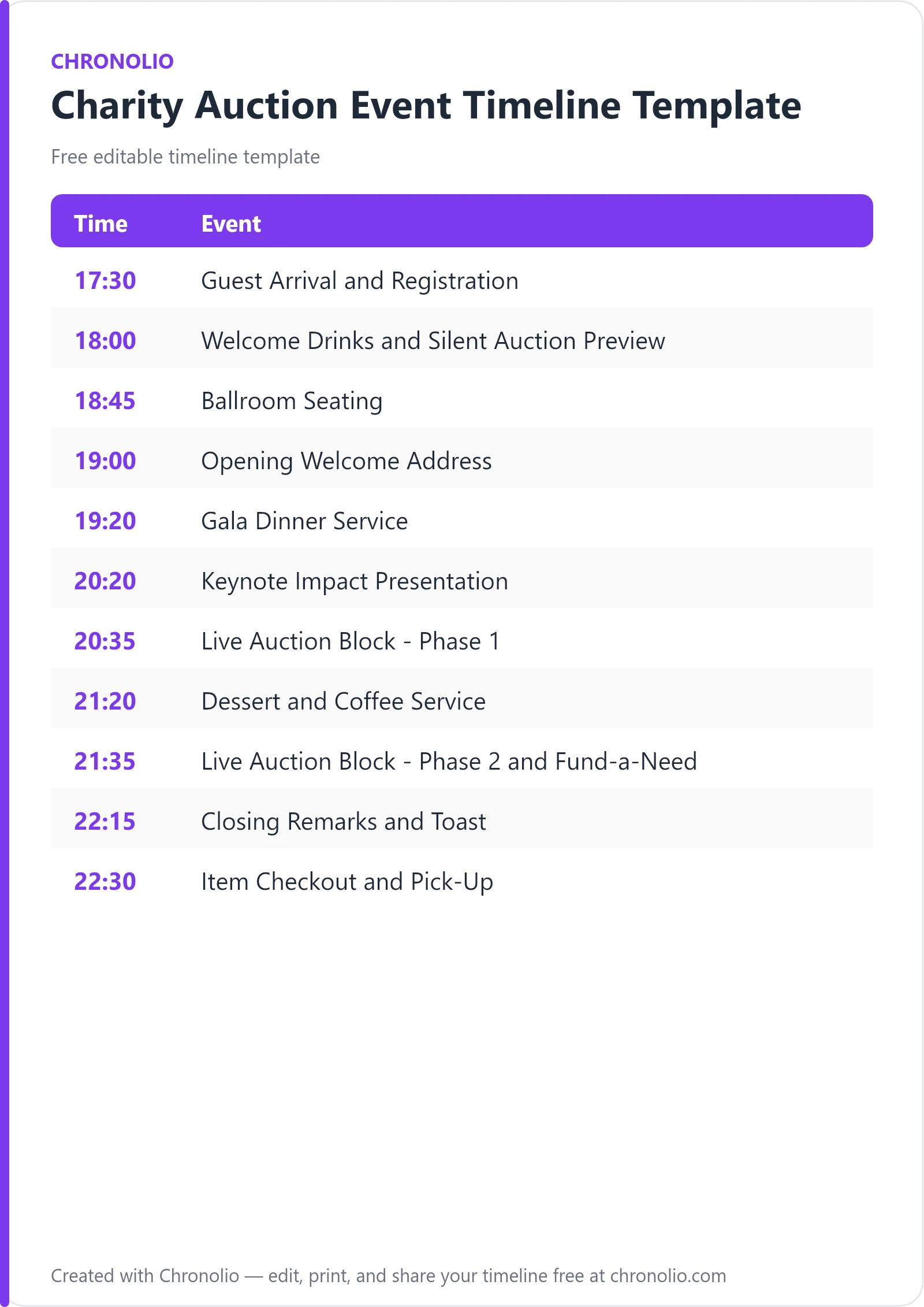
- Download or Duplicate: Open this schedule in Chronolio or download the editable versions in .docx format or .pdf format.
- Adjust for Your Venue: Align start times based on your venue access agreement and guest transportation logistics.
- Customize Auction Blocks: Tailor the live auction duration to reflect your exact count of live items (typically 3 to 4 minutes per item).
- Distribute to Key Roles: Share tailored views with your benefit auctioneer, catering captain, media technician, and volunteer coordinator.
Organizers who handle multiple event formats—from social bashes planned with a birthday party timeline to community events managed via a baby shower timeline—will appreciate how easily this structured format adapts to various crowd sizes.
Tips for a Successful Charity Auction Event
- Limit Live Auction Items: Cap live auction items between 8 and 12 packages. Any more creates audience fatigue and lowers average bid yields.
- Hire a Professional Benefit Auctioneer: Fundraising auctioneers specialize in driving donor competition and crowd momentum far better than media personalities or volunteers.
- Pre-Authorize Credit Cards: Capture guest payment details during initial guest registration to prevent long lines during checkout.
- Position Bid Spotters Strategically: Station trained spotters throughout the room to assist the auctioneer in catching every paddle jump immediately.
- Keep Impact Speeches Brief: Limit keynote addresses to 10–12 minutes. Focused emotional storytelling motivates giving without draining room energy.
- Close Silent Auction in Waves: Stagger silent auction section closings (e.g., Section A at 18:30, Section B at 18:45) to drive urgency.
For additional guidance on professional event standards, consult resources provided by the Association of Fundraising Professionals on donor stewardship and event compliance.
Common Mistakes to Avoid
- Overcrowding the Live Block: Including too many items drags out the schedule, driving guests to depart early before the Fund-a-Need appeal.
- Placing Appeals After Guests Leave: Scheduling the paddle raise too late in the evening risks losing high-level donors who leave early.
- Unclear Checkout Logistics: Failing to separate payment processing from physical item retrieval creates severe bottlenecks at the exit.
- Ignoring AV Line-of-Sight: Placing staging or screens where table guests cannot see the auctioneer damages room engagement.
- Compromising Dinner Timing: Serving main courses during key speeches creates silverware noise that drowns out emotional storytelling.
In Summary
- Master Operational Tool: A charity auction event timeline controls guest flow, food service, technical production, and live fundraising.
- Ideal Duration: Runs approximately 5.5 hours, balancing hospitality with productive revenue windows.
- Key Revenue Driver: Pairs emotional storytelling directly with the live auction and direct paddle raise segments.
- Multi-Stakeholder Alignment: Keeps auctioneers, catering teams, audio-visual staff, and volunteer hosts working in tandem.
- Smooth Exit: Incorporates automated registration and dedicated concierge checkout to eliminate end-of-night queues.
Whether you are managing an endowment drive for a university or an annual benefit for a local charity, following a structured charity auction event timeline ensures your evening runs on schedule, treats donors with hospitality, and reaches its financial targets.
Customize Your Charity Auction Event Timeline