





This Template at a Glance
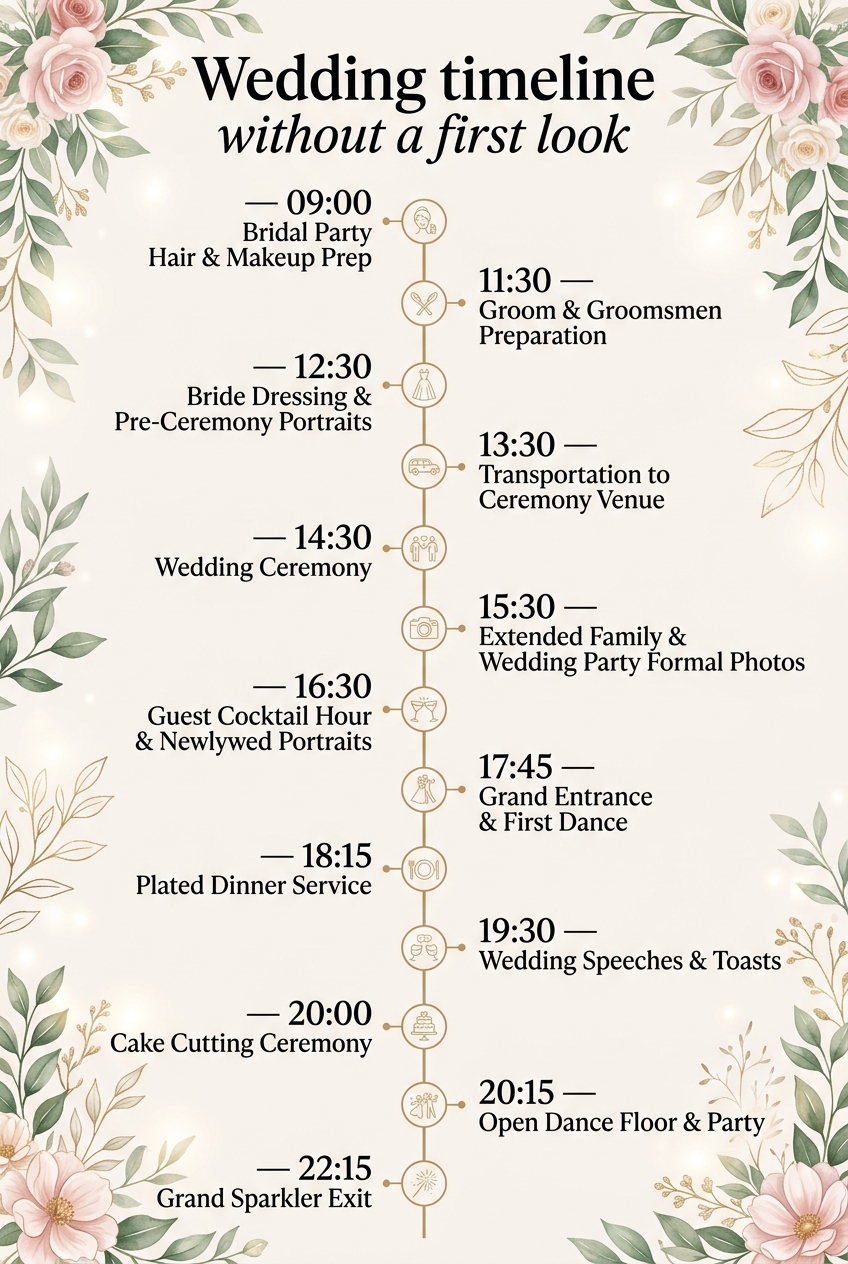
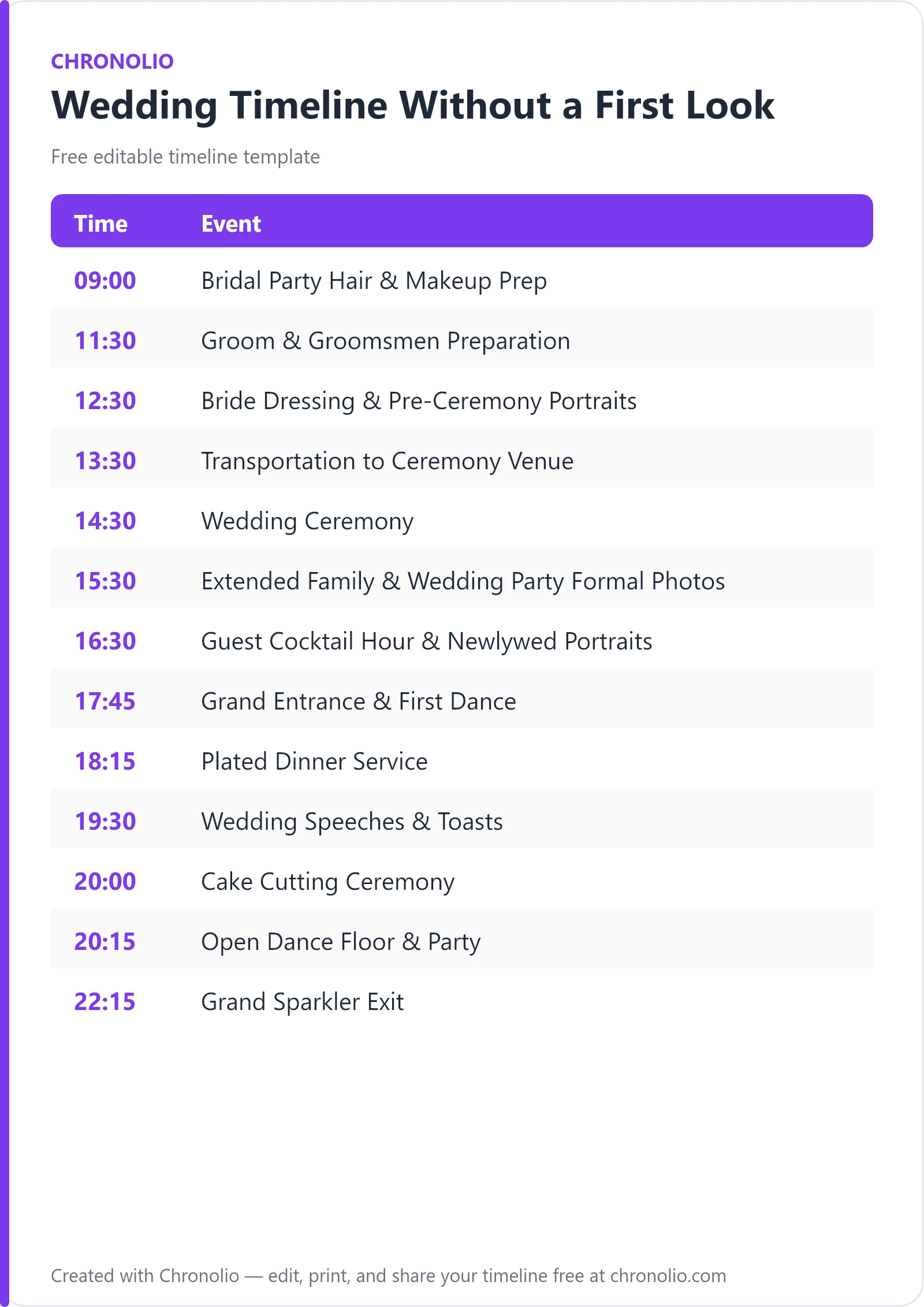
Here is the complete schedule this free template gives you — every time block, ready to edit, download, and share:
| Time | Event |
|---|---|
| 09:00 | Bridal Party Hair & Makeup Prep |
| 11:30 | Groom & Groomsmen Preparation |
| 12:30 | Bride Dressing & Pre-Ceremony Portraits |
| 13:30 | Transportation to Ceremony Venue |
| 14:30 | Wedding Ceremony |
| 15:30 | Extended Family & Wedding Party Formal Photos |
| 16:30 | Guest Cocktail Hour & Newlywed Portraits |
| 17:45 | Grand Entrance & First Dance |
| 18:15 | Plated Dinner Service |
| 19:30 | Wedding Speeches & Toasts |
| 20:00 | Cake Cutting Ceremony |
| 20:15 | Open Dance Floor & Party |
| 22:15 | Grand Sparkler Exit |
What Is a Wedding Timeline Without a First Look?
A wedding timeline without a first look is a traditional master schedule built around the emotional reveal of the couple meeting at the ceremony altar. In this classic format, the bride and groom prepare in separate suites, take individual portraits with their respective wedding party members, and avoid seeing each other until the processional begins.
Because no joint photos happen before the service, the post-ceremony schedule must be carefully structured. Extended family formals, full wedding party pictures, and romantic newlywed portraits must all take place between the end of the ceremony and the start of the reception. Having managed hundreds of traditional celebrations, I know that keeping this timeline on track comes down to efficient grouping immediately after the altar exit and providing continuous hospitality—such as tray-passed appetizers and signature cocktails—for guests while you take your photos. You can easily adapt this layout whether you are planning a traditional sanctuary service or pairing it with a church wedding ceremony timeline.
Customize Your Wedding Timeline Without a First Look
Why Weddings Without a First Look Need a Dedicated Timeline
Choosing to forgo a first look creates an unforgettable, high-emotion aisle walk, but it places heavy demands on the two hours immediately following your vows. Without a clear plan, family photos can descend into chaos, pushing back dinner service and cutting into your dance floor time.
- Protects the emotional aisle reveal: Keeping the couple separate before the service requires strict coordination of prep times, arrival schedules, and photography zones so the groom never accidentally glimpses the bride in her gown.
- Streamlines post-ceremony photo sessions: Since every joint photo happens after the ceremony, a tight schedule ensures family members know exactly where to stand for altar formals while the wedding party finishes their group shots efficiently.
- Sustains guest comfort and engagement: While you take romantic portraits during sunset, a well-timed cocktail hour keeps your guests entertained with refreshments, music, and appetizers so they never feel abandoned.
- Ensures smooth vendor synchronization: Caterers, DJs, photographers, and venue coordinators rely on precise timing to execute plated meal service, cue grand entrances, and set up lighting for evening events.
What to Include in a Wedding Timeline Without a First Look
To build a flawless day without a pre-ceremony reveal, your schedule should incorporate these key operational phases:
- Separated morning prep sessions for hair, makeup, suits, and individual portraits in distinct dressing rooms.
- Staggered transportation and arrival buffers to prevent accidental sightings before the processional.
- A structured ceremony sequence including guest seating, prelude music, processional, vows, and recessional.
- An organized post-ceremony formal photo block covering extended family groupings and full wedding party pictures.
- A dedicated guest cocktail hour running simultaneously with the couple’s romantic portrait session.
- A dynamic reception timeline featuring the grand entrance, first dance, plated dinner, toasts, cake cutting, and open dancing.
- A coordinated grand exit to send off the couple surrounded by family and friends.
Phase 1: Morning Preparation & Separate Pre-Ceremony Travel
The morning sets the operational tone for the entire wedding day. Keeping the bride and groom strictly separated requires clear scheduling for hair, makeup, dressing, and individual portrait sessions.
| Time | Event |
|---|---|
| 09:00 | Bridal Party Hair & Makeup Prep |
| 11:30 | Groom & Groomsmen Preparation |
| 12:30 | Bride Dressing & Pre-Ceremony Portraits |
| 13:30 | Transportation to Ceremony Venue |
Starting bridal party hair and makeup prep at 09:00 allows ample time for complex styling without rushing the bride. The bridal suite at The Grand Manor should offer plenty of natural light, light breakfast refreshments, and dedicated work stations for beauty artists. Finishing hair and makeup by mid-morning ensures the photo team can focus on detail shots of the dress, stationery, and rings.
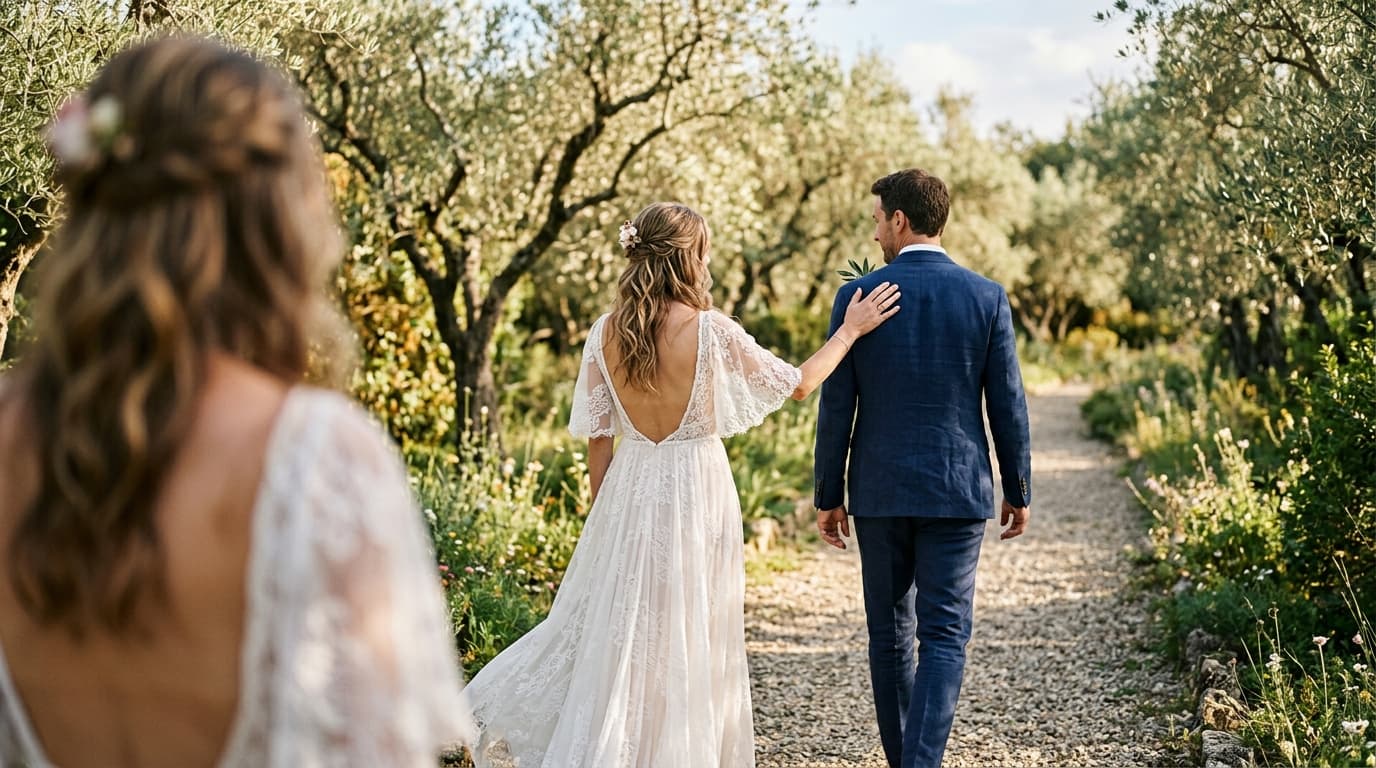
At 11:30, the groom and groomsmen begin their preparation in a separate groom suite. Guys need less preparation time, but scheduling an hour ensures buttonholes are pinned, ties are straightened, and individual groomsmen portraits are completed before travel. Meanwhile, at 12:30, the bride steps into her gown with assistance from her mother and maid of honor, followed immediately by bridal solo portraits and photos with her bridesmaids. By 13:30, separate private shuttles transfer both parties en route to St. Mary's Cathedral without any risk of the couple crossing paths.
Phase 2: Sacred Ceremony & Post-Ceremony Formal Photos
The ceremony is the focal point of the traditional timeline. The moment the sanctuary doors open marks the first time the couple sees one another, making the aisle walk extraordinarily powerful.
| Time | Event |
|---|---|
| 14:30 | Wedding Ceremony |
| 15:30 | Extended Family & Wedding Party Formal Photos |
The wedding ceremony begins at 14:30 at St. Mary's Cathedral as guests fill the sanctuary seats. Over the course of the 60-minute traditional service, the couple exchanges vows and rings before walking up the aisle as newlyweds. If you are incorporating full liturgical traditions, you can pair this framework with our Catholic wedding timeline or a broader Christian wedding timeline.
Immediately following the recessional at 15:30, the couple and photographer move directly into formal photos at the altar and courtyard. To prevent extended family members from wandering off to cocktail hour, the officiant or usher should make an announcement asking immediate family and named relatives to remain in the sanctuary. Tackling large family groupings first allows older relatives to head to the reception early while the photographer finishes full wedding party portraits.
Phase 3: Cocktail Hour & Intimate Newlywed Portraits
With group formals completed, the schedule shifts focus: guests travel to the reception venue for hospitality while the newlyweds capture their first portraits as a married couple.
| Time | Event |
|---|---|
| 16:30 | Guest Cocktail Hour & Newlywed Portraits |
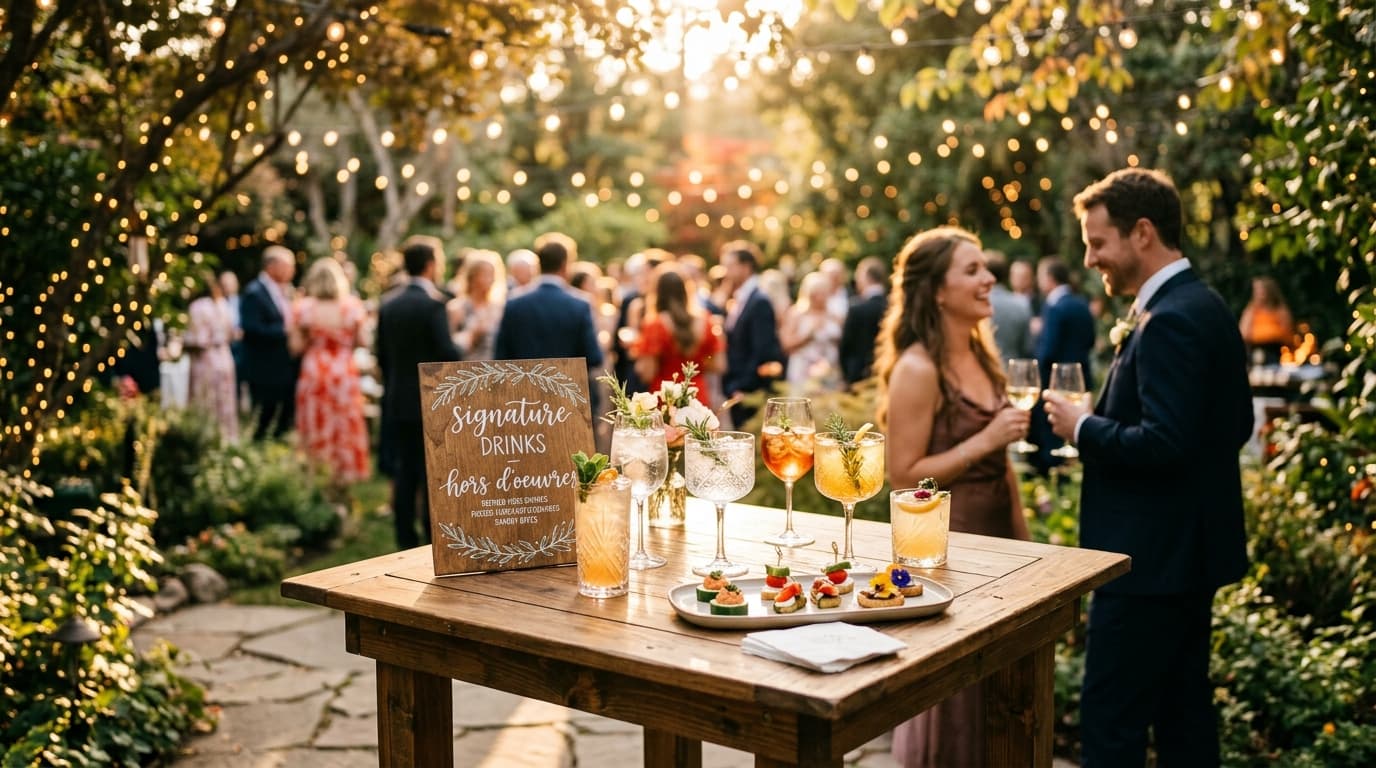
At 16:30, guest cocktail hour begins on the terrace and gardens at The Grand Manor. Guests enjoy signature cocktails and tray-passed hors d'oeuvres, providing a lively social atmosphere while background music plays. Industry guidelines from outlets like The Knot consistently emphasize that quality food and beverage service during this window keeps guest satisfaction high while photos take place.
Simultaneously, the photographer guides the newlyweds through private grounds for couple portraits. Because no romantic portraits were taken earlier in the day, this 60-minute window is essential for capturing natural, golden-hour light across the estate grounds without feeling rushed or overwhelmed.
Phase 4: Reception Grand Entrance & Evening Celebrations
Once couple portraits wrap up, the evening moves into the main ballroom for dining, formal traditions, and continuous dancing.
| Time | Event |
|---|---|
| 17:45 | Grand Entrance & First Dance |
| 18:15 | Plated Dinner Service |
| 19:30 | Wedding Speeches & Toasts |
| 20:00 | Cake Cutting Ceremony |
| 20:15 | Open Dance Floor & Party |
| 22:15 | Grand Sparkler Exit |
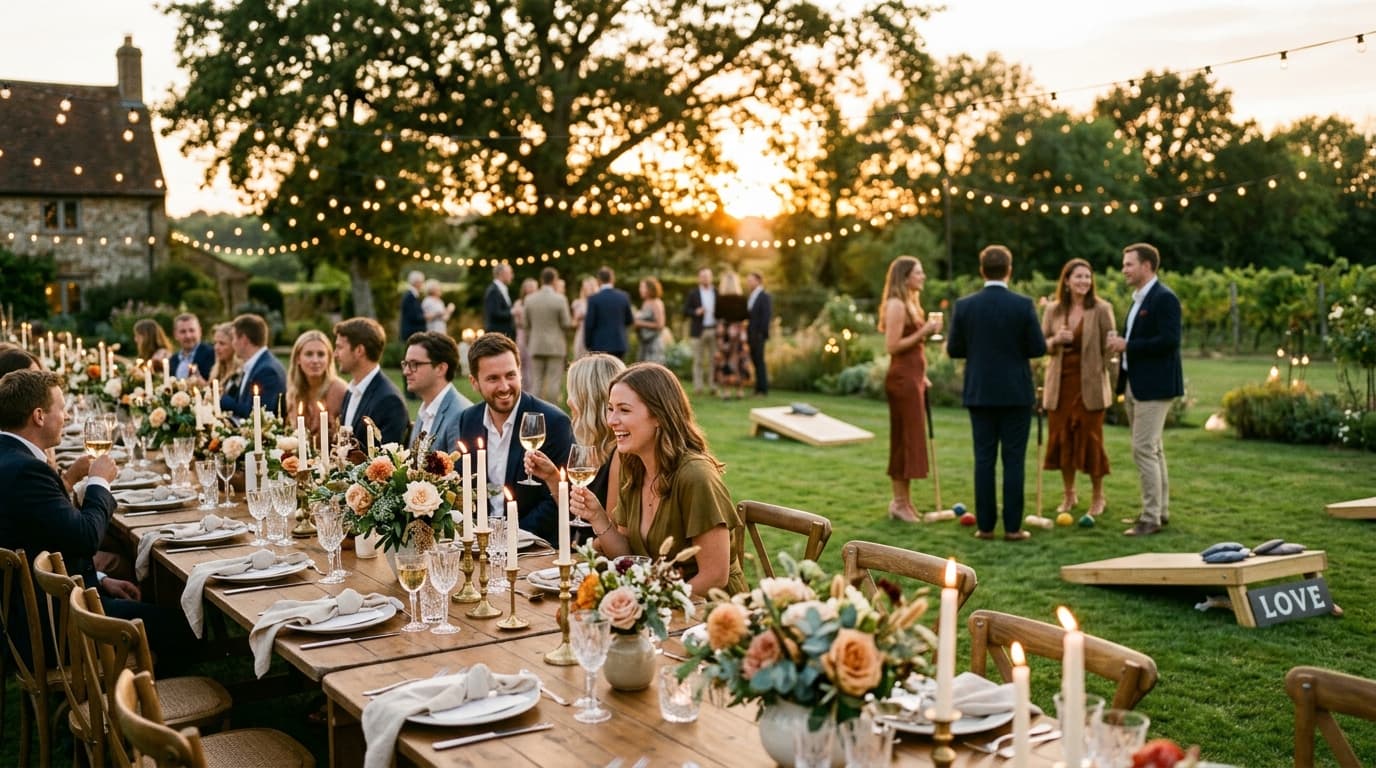
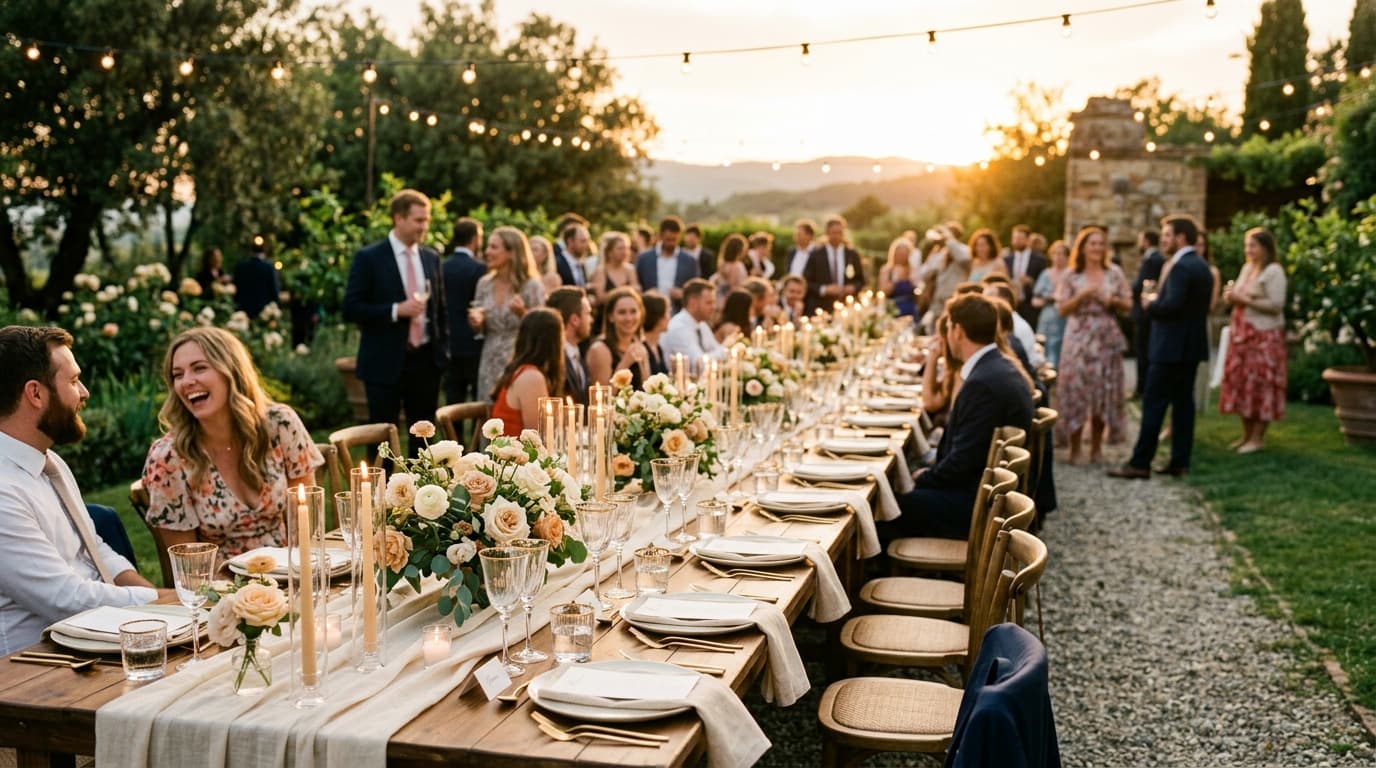
At 17:45, guests are seated in the Grand Ballroom as the wedding party and newlyweds execute a high-energy grand entrance, leading directly into the couple’s romantic first dance. Transitioning straight from the entrance into the first dance keeps guest attention focused and creates a seamless flow before dinner is served at 18:15.
Following a three-course meal, heartfelt speeches and toasts begin at 19:30, featuring moving words from the Maid of Honor, Best Man, and parents. At 20:00, the couple cuts the wedding cake before the DJ opens the floor at 20:15 for two solid hours of dancing. The evening concludes at 22:15 with a glowing sparkler exit at the main entrance plaza, giving the couple a memorable, photo-worthy departure. If your wedding weekend includes pre-wedding events, align this schedule with a rehearsal dinner timeline template for seamless continuity.
Wedding Timeline Without a First Look vs With a First Look
Understanding how skipping a first look impacts your day helps you allocate photographic time and manage guest expectations effectively.
| Timeline Element | Without a First Look | With a First Look |
|---|---|---|
| First Reveal Moment | At the ceremony altar in front of all guests | Private pre-ceremony moment between couple |
| Pre-Ceremony Photos | Separate photos only (bride/groom alone with party) | Full wedding party, family, and couple portraits |
| Post-Ceremony Focus | Family formals, wedding party, and couple portraits | Quick family formals only; fast join to cocktail hour |
| Cocktail Hour Role | Essential buffer time for couple's romantic portraits | Social hour where couple often joins guests |
| Morning Timeline | More relaxed morning start time | Earlier start time to fit pre-ceremony photos |
| Overall Vibe | Traditional, romantic anticipation building to aisle | Relaxed, intimate, and maximized party time |
Choosing a traditional structure keeps the buildup and anticipation focused entirely on the aisle walk, whereas doing a first look shifts portrait work to the morning so you can attend your own cocktail hour.
Who Should Use This Template?
This timeline structure is specifically crafted for couples, planners, and venue teams who prioritize traditional ceremonial reveals. It is ideal for:
- Traditional and religious weddings: Couples holding ceremonies in churches, cathedrals, or synagogues where aisle reveals hold cultural or spiritual significance.
- Couples desiring maximum emotional anticipation: Partners who want the powerful memory of locking eyes for the first time as the bridal march plays.
- Late-afternoon wedding schedules: Celebrations where early afternoon lighting suits post-ceremony outdoor photography.
- Full-service venue events: Weddings hosted at estates or hotels where morning prep suites, ceremony spaces, and reception halls are located on the same property or within short transit distance.
Chronolio offers specialized features for all the different roles involved in orchestrating a wedding, from planners and coordinators to photographers and venue managers.
How to Use This Template
- Download or duplicate the master file: Access this template directly in Chronolio or download the offline formats using our Word schedule template or printable PDF guide.
- Set your exact ceremony start time: Lock in your church or venue ceremony time first, then work backward for morning prep and forward for the reception.
- Customize transit times: Adjust shuttle schedules based on real-time traffic conditions between your prep suites, ceremony venue, and reception hall.
- Share with your vendor team: Distribute the finalized schedule to your photographer, caterer, DJ, and venue coordinator so everyone operates from the same master document.
Tips for a Traditional Wedding Day Timeline
- Create a detailed family shot list: Provide your photographer with named photo groupings in advance, and appoint a vocal usher or bridesmaid to gather family members immediately after the ceremony.
- Buffer travel times generously: Add an extra 15 minutes to all shuttle transit schedules to handle dress adjusting, traffic, or loading delays.
- Feed your bridal party early: Arrange for light protein snacks and hydration in both dressing suites around 11:00 so no one gets lightheaded during the ceremony.
- Inform guests about cocktail hour details: Use signage or wedding programs so guests know to head straight to cocktail hour while family remains behind for pictures.
- Leverage golden hour timing: Work with your photographer to ensure your 16:30 post-ceremony portrait window aligns with soft afternoon or sunset lighting.
- Keep speech lengths strictly capped: Limit toasts to 3–5 minutes per speaker during the 19:30 block to maintain energy and preserve dance floor time.
Common Mistakes to Avoid
- Forgetting to inform key family members: Leaving grand-parents or extended family unaware that they are needed for post-ceremony photos causes delays and missing relatives.
- Underestimating bride dressing time: Putting on a detailed gown, bustling a train, and fastening veil clips always takes longer than anticipated—allocate a full 60 minutes.
- Overpacking the post-ceremony photo list: Trying to capture 30 different family combinations in 30 minutes leads to stress; limit post-ceremony formals to 10–12 core groupings.
- Starving the newlyweds: Couples often miss hors d'oeuvres while taking photos; instruct your caterer to set aside a private plate of appetizers and drinks in your suite.
- Ignoring venue curfew rules: Ensure your 22:15 sparkler exit and vendor teardown times comply with local sound ordinances and venue contract limits.
In Summary
- A traditional workflow: A wedding timeline without a first look keeps the couple separate until the aisle reveal, shifting joint photo sessions to the post-ceremony window.
- Structured morning prep: Staggered beauty and suit preparation ensures individual bridal party portraits are completed separately before travel.
- Efficient post-ceremony formals: Altar photos start immediately after the recessional, sweeping through extended family groupings in 30 to 45 minutes.
- Cocktail hour dual-purpose: While guests enjoy drinks and hors d'oeuvres, the newlyweds take romantic couple portraits across venue grounds.
- Seamless reception pacing: Grand entrance, first dance, dinner, speeches, and cake cutting move in fluid succession before two full hours of open dancing.
- Vendor alignment: Sharing a synchronized timetable ensures photographers, caterers, and DJs hit every milestone on time.
Planning a celebration with alternate arrangements? Explore our specialized civil ceremony wedding timeline or scaled-down elopement timeline template to find the perfect framework for your event.
A wedding timeline without a first look offers an unforgettable, romantic aisle experience while maintaining a professional, stress-free flow for guests and vendors alike. By allocating generous photo buffers after the ceremony, establishing clear family grouping lists, and hosting a lively cocktail hour, you can enjoy every moment of your traditional wedding day from morning prep to the final sparkler exit.
Customize Your Wedding Timeline Without a First Look